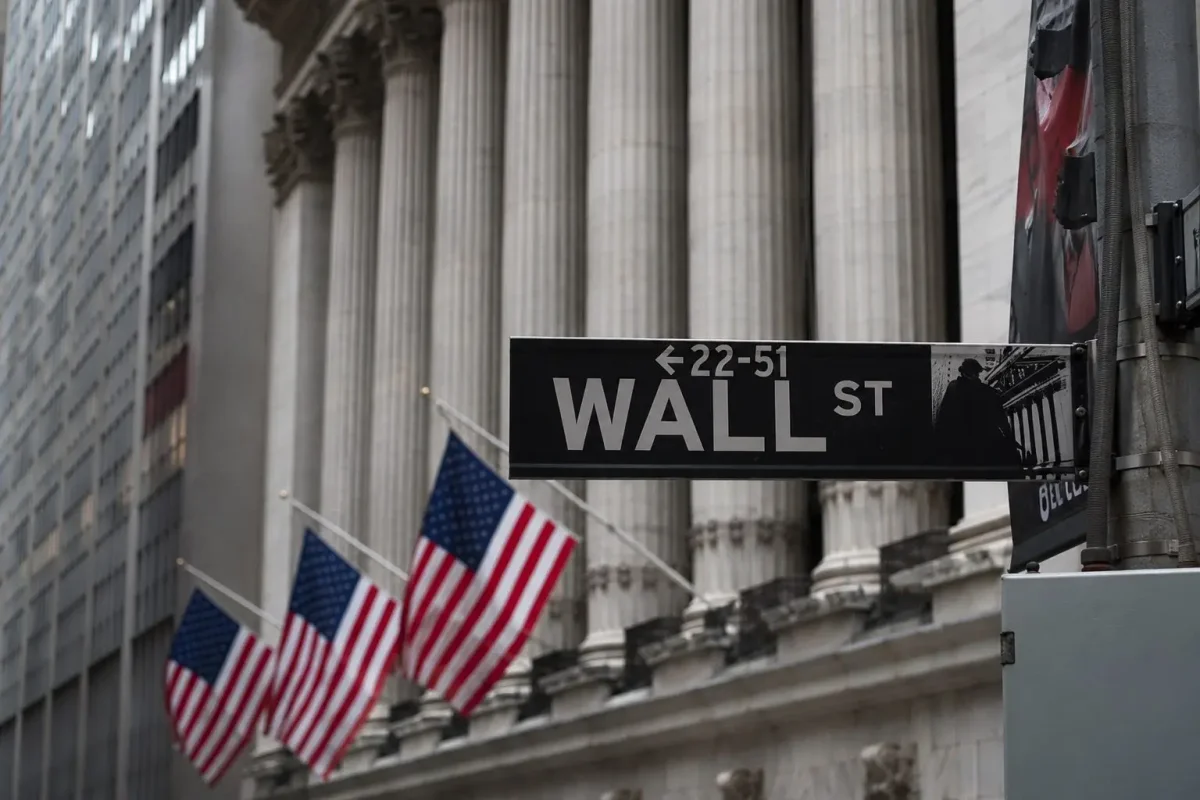
U.S. equity futures pointed to gains on Friday, even as cash markets were closed for the Independence Day observance. The New York Stock Exchange and Nasdaq will remain shut for the session, with regular trading resuming Monday, July 6.
S&P 500 futures rose 0.3%, while Nasdaq futures climbed 1.0%, signaling a potential rebound after a tech-led slide on Thursday. The Dow Jones Industrial Average ended at a record high, but the broader story was the divergence between index performance and market breadth: more than two-thirds of S&P 500 components advanced, even as the headline index showed little change.
The chip sector was the primary drag on the Nasdaq, with the Philadelphia semiconductor index plunging 5.4% on Thursday, its second consecutive steep decline. Nvidia (NVDA) shed 1.4%, and SanDisk (SNDK) tumbled 14.1%. Bruce Zaro, managing director at Granite Wealth Management, suggested traders may be taking profits after a strong run. Despite the pullback, the semiconductor index remains up roughly 78% for the year, according to Reuters.
In contrast, Apple (AAPL) rose 4.8% following a Nikkei Asia report that the company plans to launch five new iPhone models, providing a boost to the Dow. Tesla (TSLA) fell 7.5% despite second-quarter deliveries that exceeded expectations. Bending Spoons (BSP) slid 11.3% after a 40% surge following its Nasdaq debut.
The jobs report released Thursday provided some support for futures. Nonfarm payrolls added 57,000 in June, while the unemployment rate rose to 4.2%. Revisions to April and May payrolls subtracted a combined 74,000 jobs. Labor force participation dropped to 61.5%, its lowest level since March 2021. Adam Sarhan, CEO at 50 Park Investments, noted the report "takes the pressure off the Fed to raise rates" for now. However, Ellen Hazen, chief market strategist at F.L. Putnam Investment Management, pointed to the shrinking labor force as a concern. Stephen Stanley, chief U.S. economist at Santander U.S. Capital Markets, said policymakers may view the labor market as "neither too hot nor too cold" but questioned the market's rate-hike repricing.
Oil prices traded near pre-conflict levels, offering support to rate-sensitive assets. Brent crude edged up 7 cents to $71.87 a barrel, while West Texas Intermediate crude slipped 6 cents to $68.63. Tim Waterer, chief market analyst at KCM Trade, cited "guarded optimism" as traders monitored peace talks and shipping traffic in the Strait of Hormuz. James Rossiter, head of global economics at TD Securities, warned that rerouted shipping due to the Iran conflict was already hurting global capacity. Dan Coatsworth at AJ Bell advised investors to "keep watching the U.S. tech stocks" after the recent pullback.
Next week's economic calendar is lighter but rate-sensitive. Key releases include the ISM services PMI on Monday, the May trade balance on Tuesday, the Federal Reserve's June meeting minutes on Wednesday, and weekly jobless claims and existing home sales on Thursday. Earnings season will also begin, with reports from PepsiCo (PEP) and Delta Air Lines (DAL) expected to provide early reads on second-quarter results.