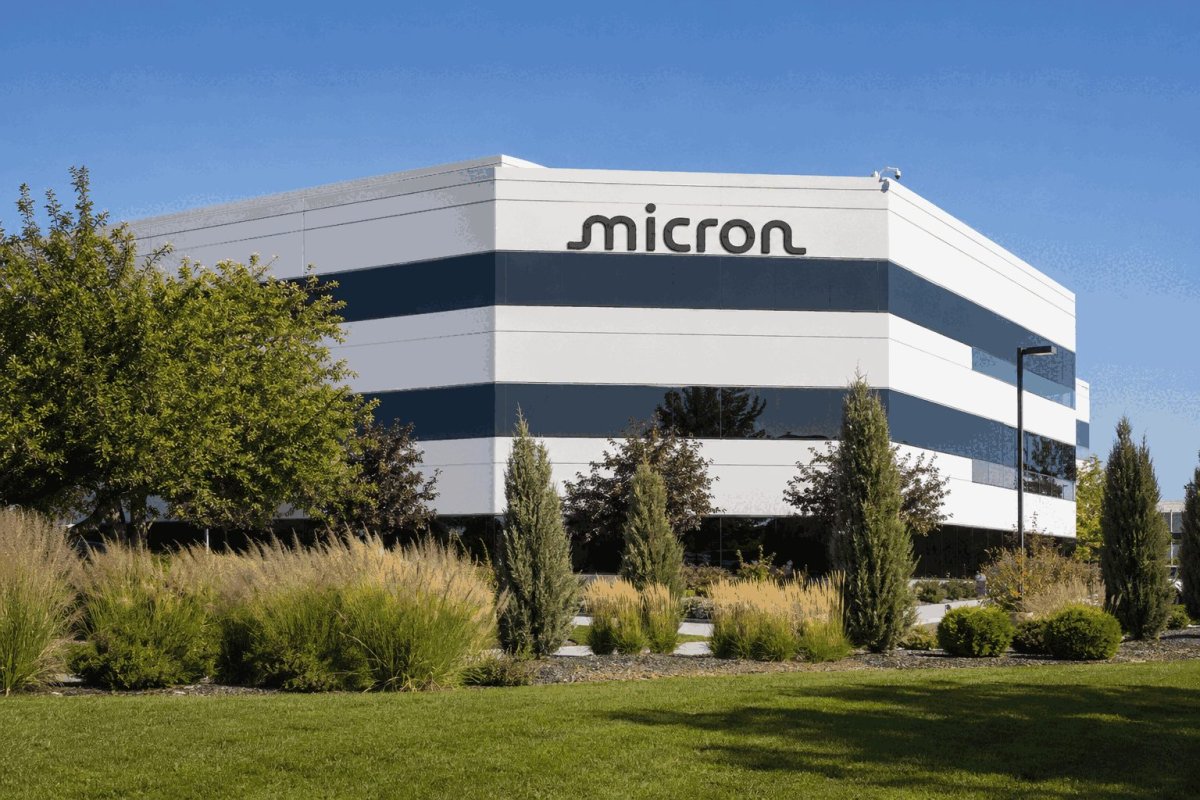
Micron Technology (NASDAQ: MU) shares climbed 3.5% in premarket trading on Monday, reaching $1,005.65, as a US policy shift aimed at restricting Apple's ability to source memory chips from China alleviated concerns about potential price erosion. The move underscores the growing strategic importance of memory in the AI era and bolsters Micron's already robust market position.
The policy, articulated by Commerce Secretary Howard Lutnick, who stated the administration "doesn't want Apple to buy memory chips from China," signals a potential boon for US-based memory manufacturers. Apple had been exploring Chinese suppliers like ChangXin Memory Technologies (CXMT) to diversify its supply chain amid global capacity constraints driven by surging AI demand. However, this regulatory pushback could redirect Apple's sourcing toward domestic players like Micron, although no official orders have been disclosed.
Micron's mobile and client division, which accounts for 27.8% of fiscal third-quarter revenue, posted a gross margin of 87%, matching the performance of its core data-center segment. This segment's revenue surged 49.4% quarter-over-quarter, turning a potential Apple sourcing change into a significant margin opportunity. Preventing access to a cheaper supplier could help maintain pricing power regardless of unit volumes, a key advantage in a market where memory prices are notoriously cyclical.
The broader memory sector also rallied on the news, with Sandisk Corporation (NASDAQ: SNDK) up 4.9% and SK hynix (NASDAQ: SKHY) gaining 4.2% in premarket trading. Nasdaq futures advanced 0.52%, reflecting renewed optimism in tech stocks. Danni Hewson, an analyst at AJ Bell, noted that fears of an AI bubble bursting are fading, as evidenced by the sustained demand for memory solutions.
Micron's financial performance has been exceptional. In its fiscal third quarter, revenue reached $41.46 billion, a 73.8% increase from the prior quarter. The company guides for fiscal fourth-quarter revenue of $50.0 billion ± $1.0 billion, with adjusted earnings per share expected around $31.00. Chief Executive Sanjay Mehrotra emphasized that these results highlight memory's "strategic value" during the AI era, and the company has secured long-term customer contracts to enhance demand visibility.
Analyst sentiment remains overwhelmingly positive. The consensus target price of $1,568.39 implies a 56% upside from Monday's premarket price, with 29 of 30 analysts rating the stock a Buy. Notable targets include Bank of America's Vivek Arya at $1,550, UBS's Timothy Arcuri at $1,625, and Mizuho's Vijay Rakesh at $1,375. However, even the lowest target of $1,100 suggests only a 9.4% gain, indicating that much optimism is already priced in.
Despite the bullish outlook, risks persist. Apple has not yet placed orders with Micron, and US policy could change or face retaliatory measures from Beijing. Memory prices remain volatile, and Micron's stock, which has surged nearly 700% over the past year, is vulnerable to any demand shortfall. The stock closed Friday at $971.66, still below its record high of $1,255.
In the broader context, the US policy shift is a defensive move to protect high-margin domestic industries, while Micron's AI-driven deals fuel its earnings narrative. As the memory market continues to tighten, driven by AI infrastructure investments, Micron is well-positioned to capitalize on these tailwinds. Investors will be watching closely for any further developments in Apple's sourcing strategy and the regulatory landscape.