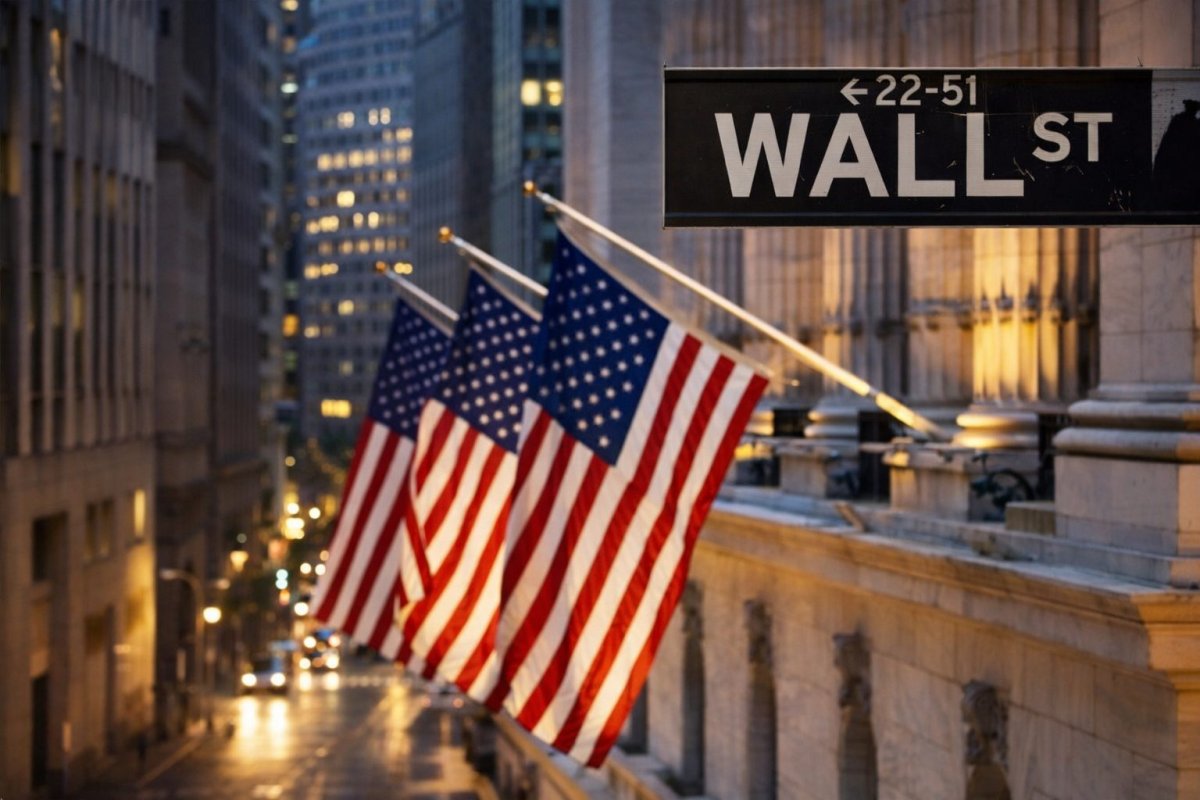
U.S. equity markets staged a broad-based advance on Tuesday, March 31, 2026, as investors responded to potential shifts in Middle East policy. The rally was ignited by a Wall Street Journal report indicating President Donald Trump was considering concluding military operations against Iran, even if the critical Strait of Hormuz—a conduit for approximately one-fifth of global oil shipments—remained largely closed.
By early afternoon, the Dow Jones Industrial Average had risen 1.2% to 45,764.14. The S&P 500 index gained 1.5%, reaching 6,440.34, while the technology-heavy Nasdaq Composite jumped 2.0% to 21,214.90. The move higher provided a temporary reprieve from a difficult March, though it did little to alter the broader negative trajectory for the quarter.
Despite the day's gains, the S&P 500 remained on course to post its most significant quarterly drop since 2022. Both the Dow and the Nasdaq had already retreated more than 10% from their all-time peaks, officially placing them in correction territory by conventional Wall Street definitions. The rebound highlights the fragile sentiment prevailing as the first quarter concludes.
Investors are transitioning into the new quarter confronting a complex macroeconomic landscape. Oil prices have surged above $100 per barrel, financial conditions are tightening noticeably, and expectations for monetary policy relief from the Federal Reserve have diminished substantially. Following military strikes on Iran in late February, market participants have scaled back forecasts, now anticipating fewer than two potential interest rate cuts this year. The ripple effects of tighter policy are evident, with real Treasury yields and mortgage rates climbing higher.
The energy complex remains under significant strain. Brent crude futures hovered just below $119 a barrel, approaching a record monthly increase after a tanker was attacked near Dubai. Domestically, the average price for a gallon of gasoline climbed above $4.00, marking the highest level in over three years. This persistent inflationary pressure continues to challenge consumer budgets and corporate margins alike.
Within the equity market, chipmakers like NVDA (Nvidia), AVGO (Broadcom), and MRVL (Marvell Technology) benefited from a relief rally during the session. However, the broader technology sector has been a primary drag on the market this quarter, declining nearly 8% in the S&P 500 since the onset of the Iran conflict. A combination of rising Treasury yields, anxiety over artificial intelligence disruption in software, and increased regulatory scrutiny for major internet companies has created what Matt Orton of Raymond James termed a "perfect storm" for the sector. Energy stands alone as the only S&P 500 sector poised to finish March in positive territory.
Economic data released Tuesday offered little comfort. U.S. job openings slipped to 6.882 million in February, while hiring activity fell to 4.849 million—the lowest reading since March 2020. This weakening labor market backdrop coincides with climbing energy costs, presenting a stagflationary concern for policymakers.
Consumer sentiment showed marginal improvement but remained fragile. The Conference Board's confidence index edged up to 91.8 in March. However, the expectations component declined to 70.9, and one-year inflation expectations moved higher. The board's chief economist, Dana M. Peterson, noted confidence had "ticked up again in March" but emphasized that consumers continued to perceive elevated costs.
Federal Reserve Chair Jerome Powell, in remarks on Monday, signaled the central bank's intention to adopt a "wait and see" approach regarding how the oil price shock impacts both economic growth and inflation. He noted that longer-term inflation expectations remain anchored. While his comments tempered bets on additional rate hikes, equities found limited sustained relief, lacking a clear policy backstop should oil prices stay high and economic growth weaken.
Market strategists expressed skepticism about the durability of Tuesday's advance. "It's difficult to look through the noise when the noise is all we have," observed Seema Shah, chief global strategist at Principal Asset Management. The outlook for oil remains a key uncertainty, with analysts polled by Reuters projecting prices ranging from $100 to $190 per barrel if current supply disruptions persist. The day's rally, while welcome, underscores a market grappling with conflicting geopolitical signals and enduring macroeconomic headwinds as a challenging quarter draws to a close.