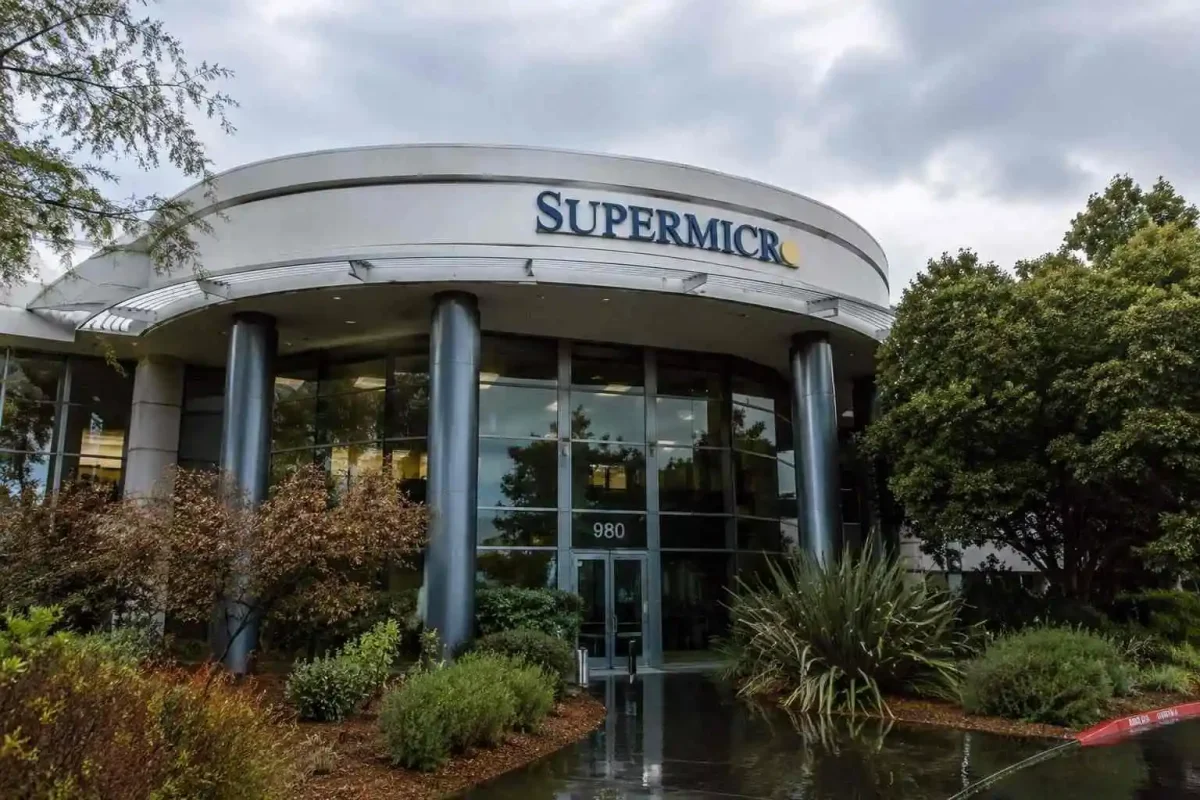
Super Micro Computer (SMCI) closed Thursday at $30.66, surging 10.37% after a turbulent, holiday-shortened week. The stock's bounce came after two consecutive days of losses earlier in the week, as the market digested the implications of a massive $7 billion equity-linked capital raise designed to fund approximately $39 billion in new AI server orders.
U.S. markets were closed on Friday for the Juneteenth holiday and remain shut on Sunday, meaning the next trading session will be Monday. Traders are now watching closely to see whether the late-week rebound can hold when trading resumes, or if selling pressure will re-emerge as dilution concerns persist.
Details of the Financing Plan
Super Micro set the price for 45,454,545 common shares at $27.50 per share and 75 million depositary shares linked to its 7.0% Series A mandatory convertible preferred stock at $50 apiece. The mandatory convertible preferred security pays preferred dividends before converting into common stock. Additionally, the company has established an at-the-market (ATM) program allowing it to sell up to $1.25 billion in shares over time directly into the market.
The company stated it plans to use the proceeds to purchase components for roughly $39 billion in new AI server orders from more than 20 customers. This represents the potential upside for investors: a massive backlog of demand for AI infrastructure. However, the flip side is dilution, as the issuance of new shares or share-linked securities reduces the ownership stake of existing shareholders.
Market Reaction and Context
The market appears to accept the demand story, but it is also pricing in the cost of meeting that demand. Hardware companies that purchase expensive chips, memory, networking equipment, and cooling systems for AI projects must spend cash upfront before recognizing revenue. This dynamic can strain cash flow even as growth accelerates.
Super Micro's management remains optimistic. CEO Charles Liang stated in May that the company's transition to being a 'total datacenter infrastructure provider' is gaining momentum. For the fiscal third quarter, Super Micro reported net sales of $10.2 billion, net income of $483 million, and an operating cash outflow of $6.6 billion. Looking ahead, the company guided for fiscal fourth-quarter net sales between $11 billion and $12.5 billion, and fiscal 2026 net sales between $38.9 billion and $40.4 billion.
Industry analysts have echoed the positive outlook. Gadjo Sevilla, a technology analyst at Emarketer, told Reuters earlier this year that Super Micro's growth is tied to its integration work for major cloud and AI clients. CFO David Weigand also noted on a post-earnings call that 'order strength remains strong' from large global data-center and enterprise buyers.
Competitive Landscape and Risks
Competition remains intense. The Nasdaq gained 1.91% on Thursday, while the Philadelphia semiconductor index climbed 6.4%, according to Reuters. Nvidia (NVDA), a key supplier of AI server chips, finished higher in the last session. In contrast, Dell (DELL) and Hewlett Packard Enterprise (HPE) traded lower, both being viewed as AI infrastructure players.
In a late ownership filing Thursday, Jane Street Group reported owning 56.6 million Super Micro shares, or 8.5%, including shares tied to convertible preferred stock. The amended filing corrected a signature-block error and did not change any other details.
However, significant risks remain. Super Micro disclosed that the $39 billion in AI orders is not locked in; orders could be canceled, delayed, or modified. The company's filings also highlight margin pressure, significant customer concentration, tariff exposure, and the board's ongoing independent review into export-control issues. A decline in orders, higher component costs, or further share dilution could quickly erase Thursday's gains.
Looking ahead to next week, the stock faces its first test: holding onto Thursday's rebound once trading resumes after the holiday. The more critical question, however, is whether Super Micro can convert its financed backlog into revenue without eroding margins, cash flow, or investor confidence.