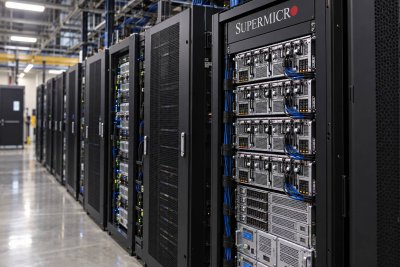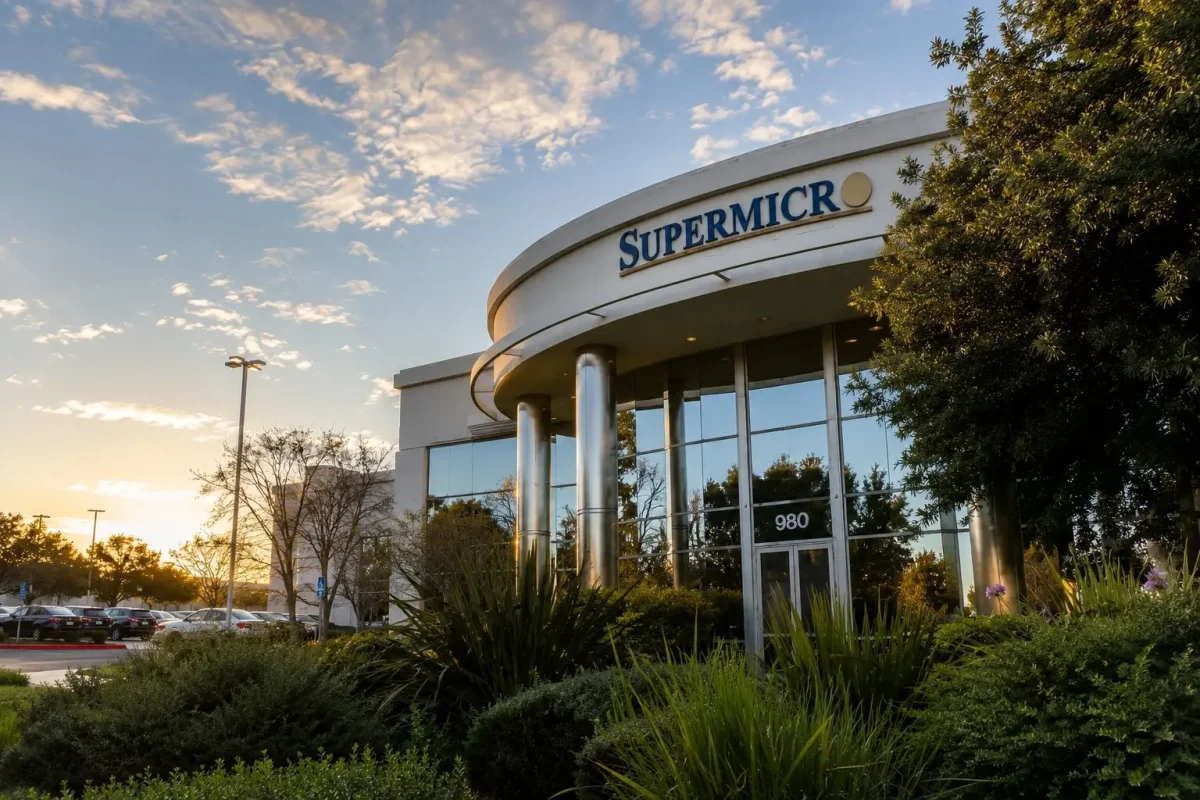
Super Micro Computer, Inc. (SMCI) saw its shares stabilize on Monday, closing at $30.85, up 1.28% from the prior session. The modest gain comes after a sharp selloff triggered by concerns over dilution from a major capital raise designed to fund a surge in AI server orders. The broader Nasdaq Composite rose 3.1%, providing a tailwind for tech stocks.
Capital Raise Details
On June 15, Super Micro closed its offering of 75 million depositary shares, each representing a 1/20 interest in its 7.00% Series A Mandatory Convertible Preferred Stock. The company expects to net approximately $3.68 billion from the depositary shares, along with $1.22 billion from a concurrent common stock offering of 45.45 million shares at $27.50 each. Underwriters retain a 30-day option to purchase up to an additional 11.25 million depositary shares.
The funds are earmarked to procure components for roughly $39 billion in new AI server orders from over 20 customers. The company also has an at-the-market stock sale program in place for additional capital if needed. This aggressive financing underscores the immense demand Super Micro is seeing for its AI infrastructure solutions.
Market Reaction and Dilution Fears
The initial market reaction was negative, with shares tumbling last week as investors priced in the dilutive impact of the convertible securities. The mandatory convertible preferred shares will eventually convert into common stock, increasing the total share count. However, some analysts argue that the capital raise is a sign of robust demand rather than financial weakness. "Super Micro is going out to raise money because demand is running hot, not because sales are softening," one market observer noted.
Financial Performance and Guidance
Super Micro reported fiscal Q3 net sales of $10.2 billion, more than double the $4.6 billion reported a year earlier. Gross margin improved to 9.9% from 6.3% in the prior quarter, reflecting better cost management despite the low-margin nature of AI server hardware. The company has guided for fiscal Q4 revenue between $11.0 billion and $12.5 billion, with full-year fiscal 2026 revenue projected at $38.9 billion to $40.4 billion.
Maintaining gross margins above 10% is a key focus for investors, as the high-volume, low-margin AI server business can pressure profitability if component costs rise or pricing becomes competitive. The company's ability to convert its massive order backlog into profitable shipments will be critical.
Balance Sheet and Risks
Super Micro's growth story comes with significant financing demands. The company used $6.6 billion in operating cash flow during fiscal Q3, leaving it with $1.3 billion in cash. Total bank debt and convertible notes stood at $8.8 billion as of March 31. The company has also disclosed that its board is conducting an independent review of transactions related to export-control issues, adding another layer of uncertainty.
Management has warned that its $39 billion in AI orders could be canceled or delayed, highlighting the risks inherent in its rapid expansion. The stock trades at a price-to-earnings ratio of 14.8, which appears modest for an AI infrastructure name, but concerns about future dilution, preferred dividend payments, working capital pressures, and margin sustainability persist.
Outlook
The next major catalyst for Super Micro will be its fiscal Q4 earnings report, covering the period ending June 30, 2026. Investors will be looking for evidence that the AI order backlog is translating into revenue, cash flow, and earnings without requiring further dilution. The company's ability to maintain margins above 10% and manage its working capital will be closely scrutinized.
As the AI infrastructure boom continues, Super Micro remains a key player, but the path forward is fraught with challenges. The market will be watching closely to see if the company can deliver on its promises while navigating the complexities of rapid growth and regulatory scrutiny.