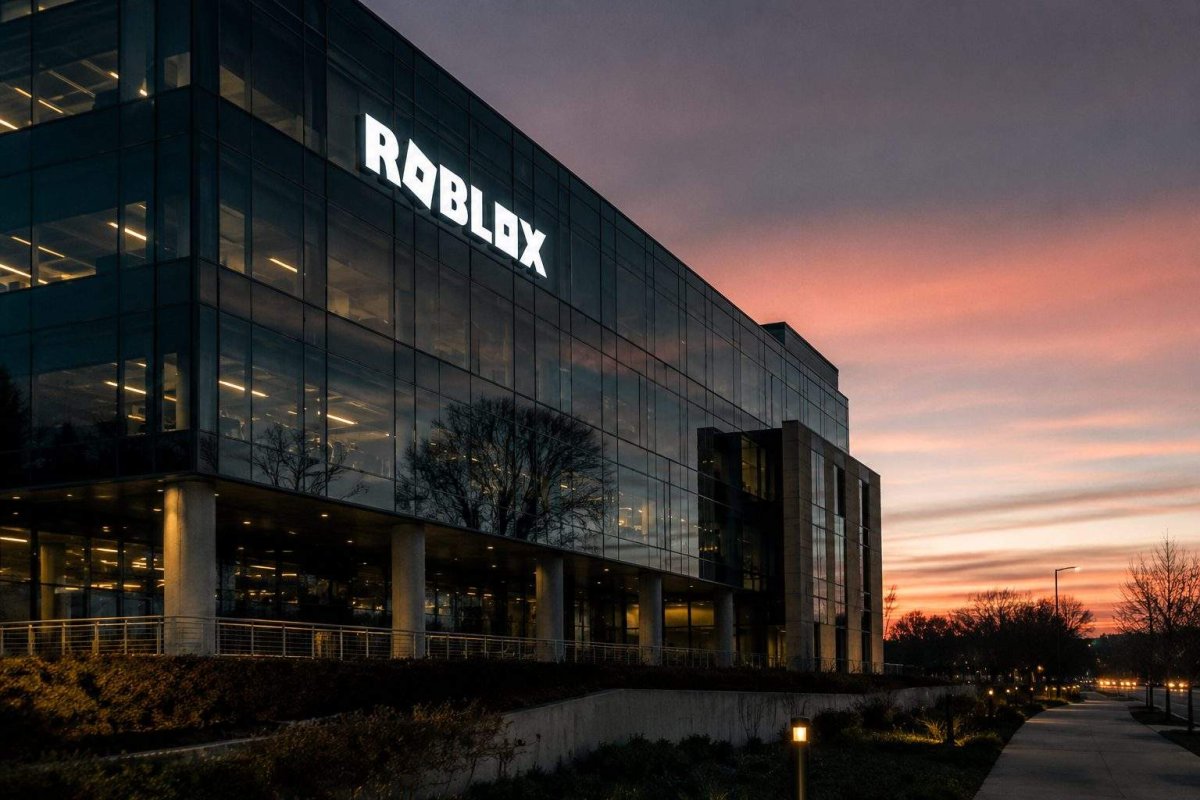
Shares of Roblox Corporation (NYSE: RBLX) experienced a sharp decline of 21.2% in premarket trading on Friday, reaching $38.35, following the release of the company's second-quarter earnings report which revealed a slowdown in user spending and a softer-than-expected bookings outlook for the upcoming quarter. The stock's slide reflects growing investor concern over the platform's ability to monetize its expanding user base effectively.
According to the company's quarterly report, the number of monthly paying users increased by 15% year-over-year, reaching 27.0 million. However, the average bookings per paying user fell by 6% to $19.25, and bookings per daily active user declined by 2% to $12.66. This divergence between user growth and monetization metrics has become a focal point for analysts, as it suggests that while more users are engaging with the platform, their spending habits are not keeping pace.
Roblox's overall bookings, which represent the sale of virtual currency and are recognized as revenue over time, grew by 8% to $1.557 billion in the second quarter. This is a significant deceleration compared to the 36% growth in revenue, which reached $1.469 billion. The company's daily active users (DAUs) climbed 10% to 123 million, and hours engaged increased by 5% to 29 billion, but these metrics failed to translate into proportional financial gains.
Chief Financial Officer Naveen Chopra attributed the monetization weakness to the company's recommendation engine, which has been directing younger players toward games that generate lower revenue per hour. "Monetization weakness is likely to continue," Chopra stated, signaling that the trend may persist in the near term. This admission has cast a shadow over the company's growth narrative, as investors weigh the potential for recovery against ongoing headwinds.
Geographic expansion has also contributed to the dilution of spending metrics. While the United States and Canada saw bookings growth of just 1%, with spending per daily user down 5% to $38.63, other regions experienced more robust growth. Europe's bookings surged 18% with spending per user up 16% to $13.35, and the rest of the world saw a 31% increase in bookings, albeit with lower overall spending levels. This broadening global footprint is a double-edged sword: it diversifies revenue streams but dampens overall monetization due to lower spending in emerging markets.
Looking ahead, Roblox's third-quarter bookings guidance of $1.576 billion to $1.653 billion falls short of LSEG's consensus projection of $1.77 billion by 8.8% at the midpoint. The company also provided a free cash flow range of negative $60 million to positive $5 million, with a midpoint of negative $27.5 million, a significant sequential decline from the $294 million generated in the second quarter. This projected slowdown in cash generation has raised concerns about the company's ability to fund its ambitious growth initiatives, including investments in artificial intelligence and safety measures.
Despite these challenges, management remains optimistic about user growth, forecasting an increase in daily active users for the third quarter. However, the second quarter saw a sequential decline of 7% in DAUs, suggesting that the platform may be facing engagement saturation. The company is also shifting its content strategy, moving away from a reliance on a few top games. The top 10 games now account for approximately 20% of hours played, down from 30% three years ago, while other titles have seen a 25% increase in hours and a 20% rise in Robux spending.
Older users present a potential growth opportunity, as adults accounted for 27% of verified daily users in the second quarter and generate over 50% more revenue per user than those under 18 in the U.S. If Roblox can successfully engage this demographic, it could help offset the monetization headwinds. However, risks remain, including the possibility that the updated algorithm may not improve retention as quickly as hoped, and that ongoing safety concerns and less engaging viral games could prolong the period of reduced cash flow.
In premarket trading, peer companies such as Unity Software Inc. (NYSE: U) and Take-Two Interactive Software Inc. (NASDAQ: TTWO) showed minimal movement, indicating that the sell-off was specific to Roblox. As the market opens, investors will be closely watching RBLX's performance and any further commentary from management regarding strategies to reverse the monetization trend.