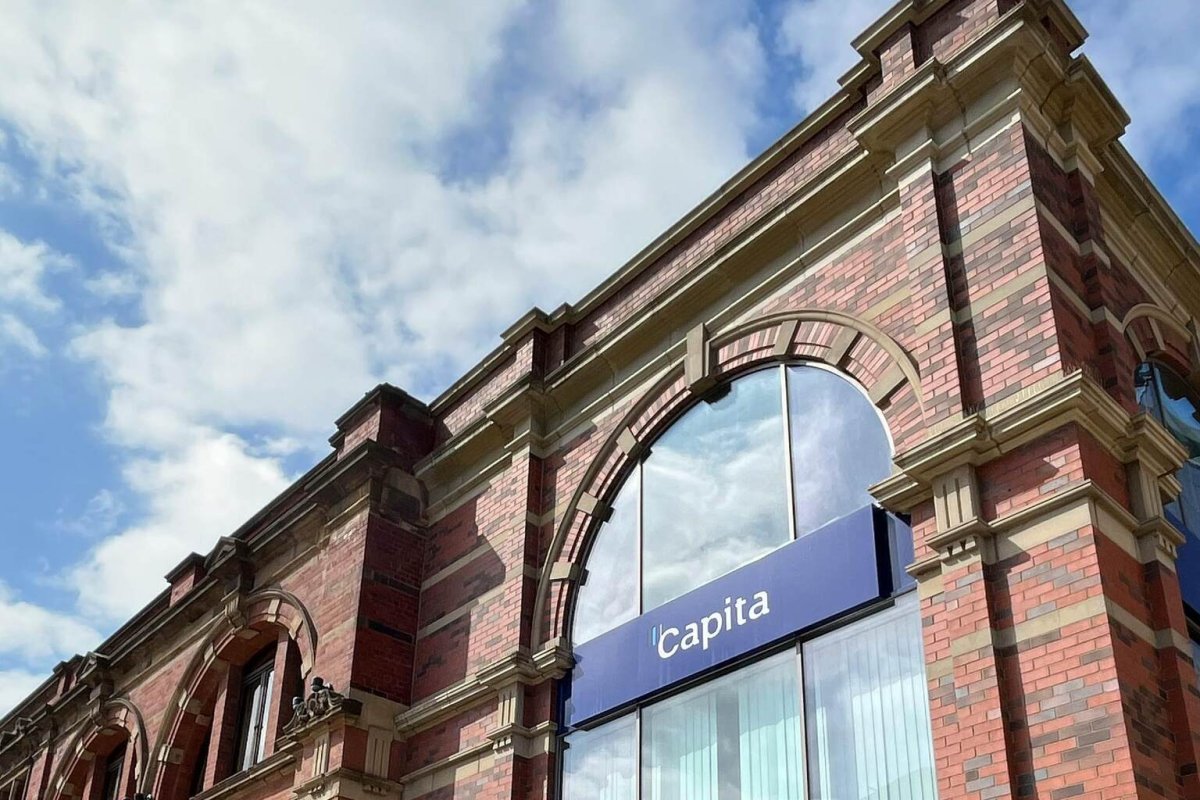
The UK government is exploring a long-term plan to bring Civil Service pension administration back under public control, following Capita's failure to restore service levels by its June deadline. While not an immediate cancellation, this move casts doubt over the future of Capita's £239 million contract, just as the outsourcing firm absorbs a significant cash hit from remediation efforts.
Capita announced on September 1 that it had cleared the 'workable' backlog in five priority areas. However, the Cabinet Office responded sharply, stating that overall performance remains 'unacceptable' and that pension members are still experiencing delays. The government says it will use 'all commercial levers' while it develops an in-house alternative. An update is expected in October, following a technical audit and a report from a remedial adviser.
Market Reaction and Financial Impact
Capita's shares closed at 238 pence on Monday, down 4.4% from Friday's close of 249 pence, though the stock had traded as high as 251.5 pence earlier in the session. The government's statement was delivered on September 9, so the one-day move cannot be attributed solely to the pension contract, but investor sentiment remains cautious.
The financial stakes are considerable. Capita originally valued the 10-year contract at £239 million under IFRS 15. In July, the company estimated that operational problems and spillover into its Pension Solutions division would reduce 2026 adjusted operating profit by £25 million to £40 million after mitigation. The expected free cash flow impact is between £35 million and £50 million.
At the upper end, that one-year cash impact represents roughly 21% of the contract's total 10-year value. This comparison is not a forecast that the contract will lose money over its life—some spending on automation and technology could be reused for other pension clients—but it underscores that this is more than a customer-service embarrassment for a company trying to rebuild cash generation.
Financial Performance and Recovery Efforts
Capita reported negative free cash flow of £23.6 million for the first half of 2026, versus a £1.1 million inflow a year earlier. Adjusted operating profit fell 31.6% to £32.2 million, while pre-IFRS 16 net financial debt rose to £200.4 million. Management still expects positive free cash flow excluding business exits in 2027, but the pension repair has left little room for another major delivery miss.
The contract began on December 1, 2025, with an inherited backlog of 86,000 cases. Both Capita and the Cabinet Office acknowledged that the transfer led to portal problems, incomplete records, long waits, and delays in quotes and payments. Their joint recovery statement said more than 150 extra staff were added, bringing the workforce above 650.
June figures illustrate why the definition of 'workable stock' matters. A government recovery update noted that Capita had asked about 1,000 members for more information before their pensions could be put into payment, and 3,387 bereavement cases were waiting for information from families. Cases excluded due to missing data may be genuinely blocked, but they do not disappear from the experience of a pensioner awaiting a response.
Wider Contract Portfolio and Credibility
The pension contract is significant but not defining for the whole company. Its £239 million transaction price is roughly 24% of the £998 million total contract value Capita won across the group in the first half. Capita also signed a £425 million Transport for London renewal in July and reported an unweighted bid pipeline of £24.4 billion. These figures suggest that a possible insourcing decision would not be an existential event.
However, credibility is the link between this contract and the wider pipeline. Public agencies buying payroll, training, or transport services will judge Capita on whether it can stabilise a scheme that already serves about 732,000 pensioners. The government has not specified when an in-house transition could occur, nor what compensation, termination rights, or retained work might apply, so investors cannot yet calculate a contract-loss value. They can, however, measure the near-term repair bill and the missed deadlines.
Key Dates to Watch
- September 30: Capita's target for processing new cases within contractual key performance indicators.
- October: The Cabinet Office's promised update after the technical audit and remedial-adviser report.
- November 4: Capita's capital-markets event, where investors can test whether 2027 positive free cash flow remains credible.
The best counterargument for shareholders is that the September 1 milestone shows recovery is moving and that Capita inherited a large, overdue backlog. The stronger risk is political rather than mechanical: a successful clean-up may still end with the government deciding that a system serving civil servants should not remain outsourced. Until the October review clarifies that path, contract retention and cash conversion belong in the same investment question.