Target Corporation (NYSE: TGT) experienced a significant share price decline on Tuesday, August 25, 2026, as a controversy surrounding a $25 children's Halloween costume led to a sharp sell-off. The stock closed at $163.47, down 3.78%, after falling as much as 5% during the trading session. The market reaction wiped out approximately $2.9 billion in market capitalization, a figure that surpasses the company's most recent quarterly operating profit of $2.56 billion.
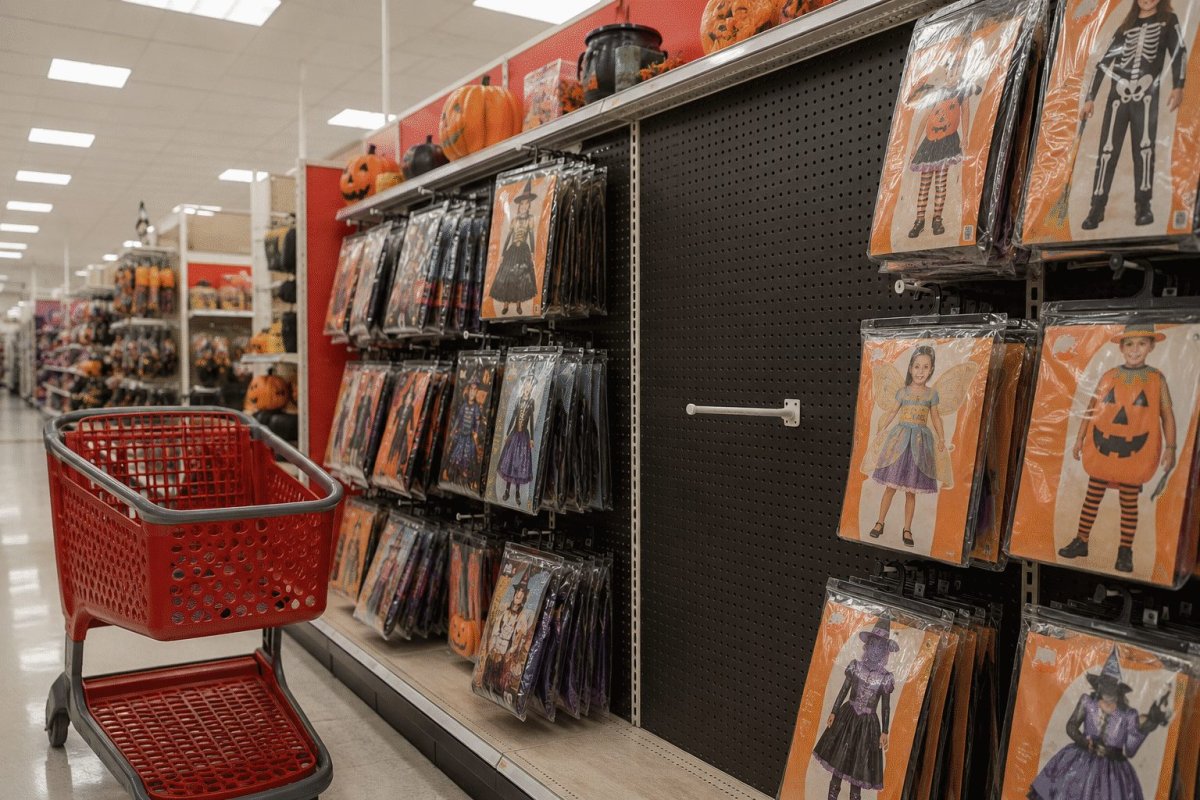
The backlash originated from the now-removed "Kids' Glows Under Blacklight Circus Clown Halloween Costume," which critics argued bore resemblance to offensive blackface and minstrel stereotypes. Target issued an apology, stating the costume was offensive and should not have been included in its assortment. The retailer promptly pulled the product from shelves and launched a review into its internal approval process.
The incident highlights the heightened sensitivity of brand management in the retail sector, where a single product misstep can have outsized financial consequences. The $2.9 billion loss in market value underscores the premium investors place on brand integrity and the potential for reputational damage to outweigh direct inventory costs.
This setback comes at a time when Target had been showing signs of recovery. In its second quarter, the company reported net sales of $26.54 billion, a 5.3% increase year-over-year, with comparable sales up 3.8%. Digital comparable sales rose 8.7%, while store comparable sales climbed 2.7%, indicating broad-based growth across channels. The company also raised its full-year outlook, projecting approximately 5% net sales growth and an operating margin near 6%, partly benefiting from tariff refunds.
However, the costume controversy threatens to undermine this momentum. Target has long differentiated itself through style, design, and exclusive products, positioning itself against discount-focused rivals. The incident raises questions about the retailer's product review processes and its ability to maintain customer trust.
Wall Street analysts have adopted a cautious stance. According to S&P Global, 38 analysts maintain a Hold rating on Target, with a consensus price target of $161.62, which is about 1.1% below Tuesday's closing price. The market's reaction was in stark contrast to the broader market's performance, as the S&P 500 rose 0.32%, while competitors Walmart and Costco saw declines of 1.04% and 1.17%, respectively.
The incident also underscores the operational risks facing retailers in an era of heightened social media scrutiny. Target's management must now navigate the delicate balance between product innovation and cultural sensitivity, ensuring that all items meet both consumer expectations and ethical standards.
Looking ahead, the key test will be whether Target can swiftly move past this controversy. If the backlash subsides and the company maintains its strong traffic and sales momentum, the stock could recover. However, if the boycott persists or further product issues emerge, Target may face increased customer acquisition costs and markdown risks, potentially impacting its bottom line.
Investors will be closely monitoring Target's next steps, including any changes to its product review protocols and its ability to sustain comparable sales growth through the crucial Halloween quarter. The company's response will be critical in determining whether this episode becomes a temporary blip or a lasting stain on its brand reputation.