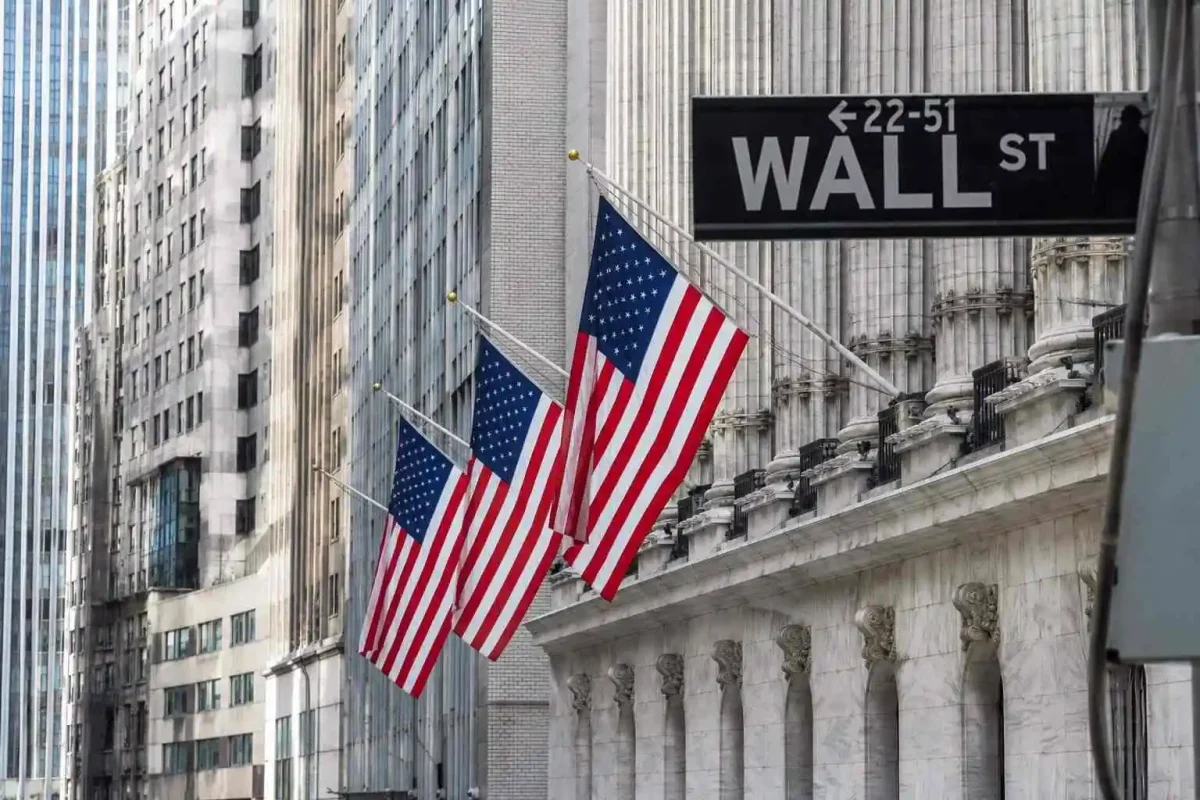
U.S. stock futures were mixed in early Friday trading, with technology shares under pressure after Broadcom's disappointing quarterly results dampened enthusiasm for AI-linked stocks. Nasdaq 100 futures fell 278 points, or 0.91%, while S&P 500 futures lost 31.5 points, or 0.41%. In contrast, Dow futures added 60 points, or 0.12%, suggesting a more resilient outlook for industrial and financial sectors.
The premarket moves come as investors brace for the May nonfarm payrolls report, due at 8:30 a.m. ET. Economists polled by Reuters expect hiring to slow to 85,000 jobs added, down from 115,000 in April, with the unemployment rate holding steady at 4.3%. A stronger-than-expected number could reignite fears that the Federal Reserve will keep interest rates elevated, while a weak print might heighten concerns about economic growth.
Broadcom's AI Chip Forecast Disappoints
Broadcom (AVGO) shares slipped in premarket trading after the chipmaker reported second-quarter revenue that missed Street estimates and guided current-quarter AI chip revenue to $16 billion, below Visible Alpha expectations. The company maintained its 2027 AI sales target, but the lack of an upward revision disappointed investors who had priced in stronger growth. "The chip rally demands perfection," said Ryan Lee at Direxion, highlighting the high bar set for AI-related stocks.
Broadcom's results add to pressure on the semiconductor sector, which has been a key driver of the broader market rally. The company competes with Nvidia (NVDA) and Marvell (MRVL) in custom AI chips, and its subdued outlook has raised questions about the pace of AI infrastructure spending. "The issue is not that AI demand has disappeared. It is that expectations had become extremely high," noted Charu Chanana, chief investment strategist at Saxo.
Global Markets Reflect Caution
Asian markets also felt the impact, with South Korea's Kospi dropping as much as 7% amid a broad sell-off in AI-related names. The region's shares were down 2.23% outside Japan, according to Reuters. European markets were mixed, with investors weighing the implications of the U.S. labor data and ongoing geopolitical tensions.
On Wall Street, Thursday's session ended with mixed results. The Dow Jones Industrial Average surged 874.86 points, or 1.7%, to a record close of 51,561.93, driven by gains in financial and healthcare stocks. The S&P 500 edged up 0.4% to 7,584.31, while the Nasdaq Composite slipped 0.1% to 26,830.96, as chip losses offset advances elsewhere.
Labor Market and Inflation Data in Focus
Weekly jobless claims rose by 13,000 to 225,000 for the week ended May 30, the highest since early February, though economists noted layoffs remain low. "The labor market is low fire, low hire," said Oliver Allen, senior U.S. economist at Pantheon Macroeconomics, describing a subdued hiring environment.
Inflation pressures persist, with the ISM services PMI rising to 54.5 in May, indicating expansion, while the prices paid component hit its highest since August 2022. "That's probably enough for Fed officials to keep waiting," said Priscilla Thiagamoorthy at BMO Capital Markets, suggesting the central bank is unlikely to cut rates soon.
Oil prices remain elevated, with Brent crude trading near the mid-$90s, as Middle East supply concerns continue to support the commodity. The combination of sticky inflation, geopolitical risks, and labor market uncertainty keeps the Fed's policy path uncertain.
Market Outlook
Friday's jobs report will be crucial in shaping near-term market direction. A strong reading could reinforce the "higher for longer" rate narrative, while a weak number might amplify worries about a slowdown. For now, investors are reducing exposure to high-flying AI stocks, seeking more concrete evidence of sustained growth. The broader bull case remains intact, but the market is demanding more from the top AI names.