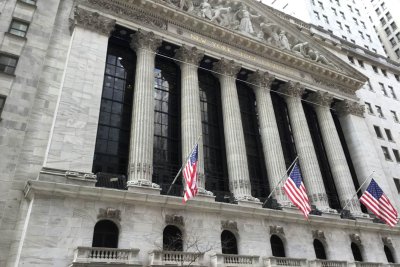
U.S. stocks closed sharply higher on Thursday, with the Nasdaq Composite leading the advance as a pullback in crude oil and Treasury yields offered relief from the valuation pressure triggered by the Federal Reserve's first interest rate hike in over three years.
The tech-heavy index finished at 26,418.30, up 1.69%, while the S&P 500 added 1.14% to settle at 7,637.72. The Dow Jones Industrial Average rose 316.28 points, or 0.61%, to close at 51,778.18. The Nasdaq-100, which tracks the largest non-financial companies on the Nasdaq, gained 1.73% to 29,446.98.
The rebound was broad-based, with advancers outpacing decliners by a margin of 3.07-to-1 on the New York Stock Exchange and 2.8-to-1 on the Nasdaq, according to the Reuters closing account. Technology was the best-performing sector among the S&P 500's 11 major groups, while consumer staples was the only sector to close lower.
Oil and Yields Retreat
Two key drivers fueled the rally. West Texas Intermediate crude fell 1.14% to $101.26 a barrel, while Brent crude dropped 1.69% to $104.04, easing from nearly $110 earlier in the week. Meanwhile, the benchmark 10-year Treasury yield ended its cash session near 4.947%, down 5.9 basis points from Wednesday's 5.006%.
These moves helped reduce the discount-rate and input-cost pressures that have weighed on long-duration growth stocks, particularly in the technology sector. Shares of chipmakers were among the biggest winners: Nvidia gained about 2.5%, Advanced Micro Devices surged more than 6%, Intel advanced nearly 8%, and Super Micro Computer climbed approximately 9.5%.
Strong Economic Data
Economic reports also provided support, easing recession fears. The Labor Department reported initial jobless claims of 196,000 for the week ended Sept. 12, down 10,000 from the prior week and the lowest level in decades. The Philadelphia Fed's September manufacturing survey remained firmly in expansionary territory, with its general-activity index at 37.8 and 44.2% of respondents reporting higher new orders.
However, the same survey highlighted persistent inflation pressures. The prices-paid index rose to 48.6 from 40.9, while the six-month prices-received index jumped to 72.3. This suggests that while a solid economy makes an earnings collapse less likely, it also gives policymakers room to continue restraining inflation.
Fed Policy Outlook
The Federal Reserve raised its target range by 25 basis points to 3.75%–4.00% on Wednesday in a unanimous vote. The new projections indicate a median year-end rate of 4.125%, consistent with one additional quarter-point hike. Thursday's rally was not a dovish pivot, but rather a judgment that lower oil and long-term yields could offset some of the damage from a higher policy rate, at least for one session.
The counterargument is visible in the same numbers. WTI remains above $100, the 10-year yield is close to levels not sustained since 2007, and the Nasdaq carries greater sensitivity to every basis-point change than the Dow. If crude resumes its climb or next month's inflation data remain elevated, Thursday's multiple expansion could reverse even without an earnings disappointment.
Market Outlook
The next scheduled policy decision is Oct. 28, according to the Fed calendar. Before then, investors can test Thursday's explanation against three live inputs: the 10-year yield, oil prices, and the October inflation releases. A clean confirmation would be a Nasdaq that holds its gains while yields stay below 5%. A return above that threshold without better profit forecasts would put the valuation argument back under strain.