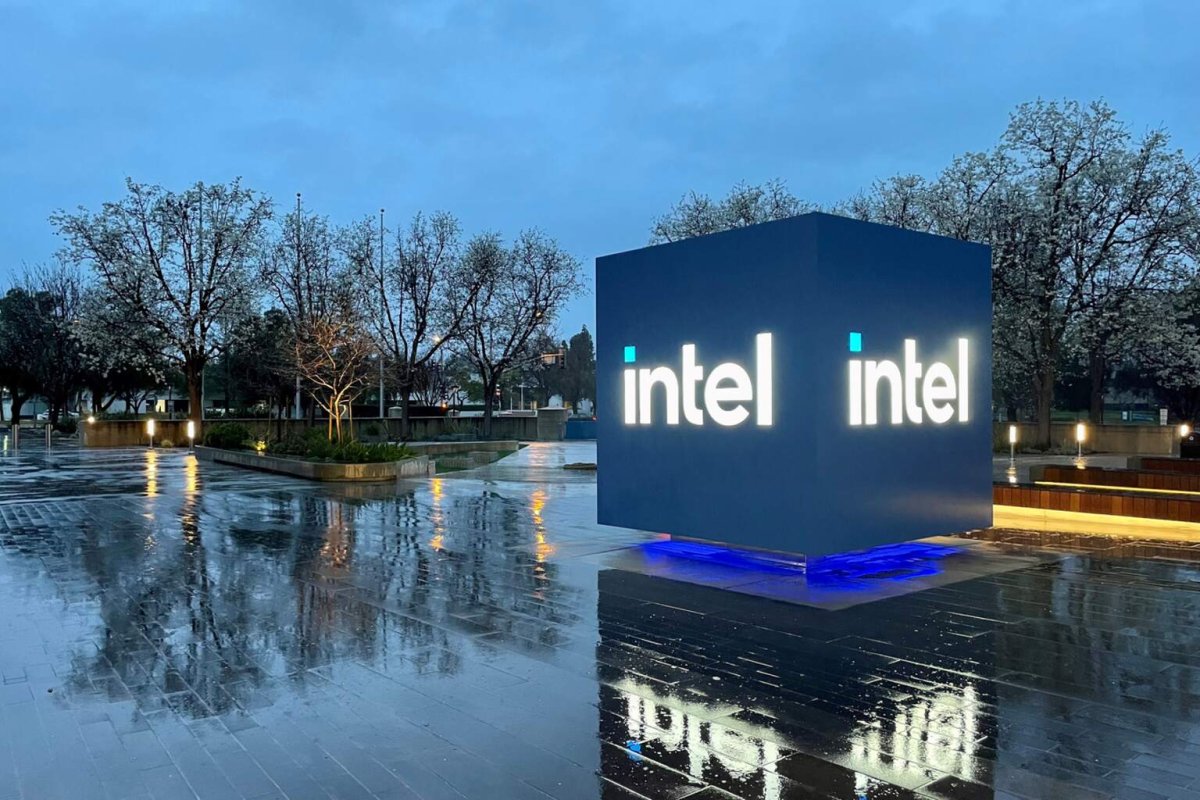
Intel (INTC) experienced a notable surge on Thursday, with shares climbing 7.7% to close at $108.80. The rally, which outpaced the broader Nasdaq Composite's 1.7% gain, was fueled by a wave of bullish analyst notes and renewed optimism about the company's foundry business. Trading volume reached 147.2 million shares, roughly 1.6 times the 20-day average, making Intel one of the most actively traded stocks on U.S. exchanges.
Analyst Targets and Market Sentiment
The jump came without any new earnings release, instead driven by a cluster of positive analyst actions. Tigress Financial raised its price target to $145 from $118, maintaining a Buy rating. Northland upgraded the stock to Outperform with a $120 target, while Melius Research discussed a potential path to $165. These targets imply significant upside from Thursday's close: $120 suggests another 10%, $145 implies 33%, and $165 would require a 52% gain.
Adding to the positive sentiment were reports of possible manufacturing cooperation with SK hynix, as well as a broader rebound in chip stocks and falling Treasury yields, which provided a favorable backdrop for technology shares.
The Foundry Challenge
While the lower analyst target of $120 could be achieved through continued strength in Intel's core processor business, the higher targets depend heavily on investors assigning real value to Intel Foundry. The foundry segment reported $5.77 billion in second-quarter revenue but posted a $2.09 billion operating loss. Although the loss narrowed from $3.17 billion a year earlier, external foundry and assembly-and-test revenue was only $293 million, representing just over 5% of the segment's total. This underscores the central issue: the fabs are operating at commercial scale costs before external customers contribute meaningful sales.
Technology Progress
Intel has made tangible technological strides. The company, along with ASML, announced that High-NA EUV lithography has been used on more than one million processed wafers, including volume production for Panther Lake processors. This demonstrates manufacturing execution but falls short of a binding, high-volume order from an external chip designer for its upcoming Intel 14A process.
Capital Raise and Financial Position
Intel recently raised approximately $19.7 billion by selling 210.5 million new shares at $95 each. Thursday's close was 14.5% above that offer price, providing a cushion for the company's foundry buildout. However, the added shares also raise the bar for earnings and free cash flow per share, making it more challenging to deliver value to shareholders.
What's Next for Intel
The key question for investors is whether the current rally is justified. The strongest counterargument is that investors may be capitalizing on potential customer wins before the economics appear in reported external revenue. A large 14A commitment, improved factory utilization, and a further reduction in foundry losses would support the bullish targets. Conversely, delays, another capital raise, or continued reliance on internal transfers could make the current price look less forgiving.
Investors will be watching Intel's third-quarter report for signs of progress. The company has guided to revenue between $15.8 billion and $16.8 billion, with adjusted gross margin of 42%. The numbers to watch are external foundry sales and overall revenue growth. While analyst targets can move a stock for a session, these fundamentals will determine whether the rally has lasting support.