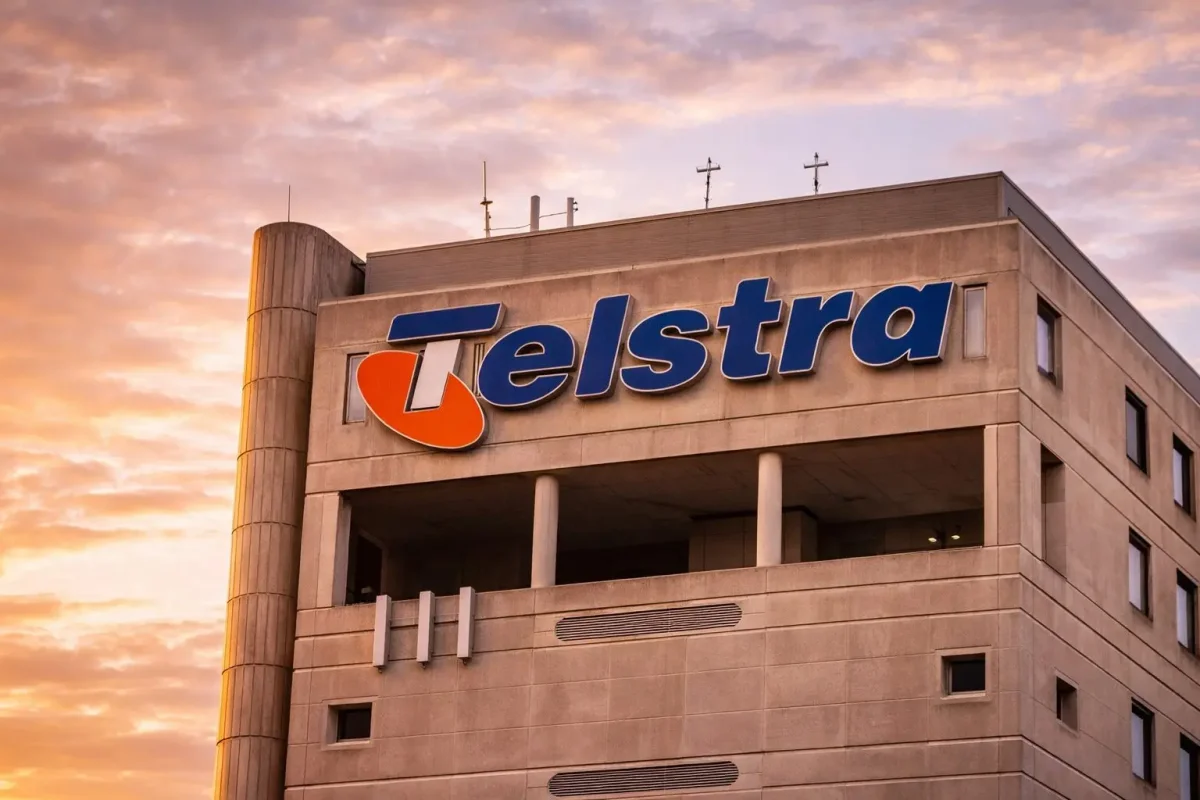
Telstra Group Limited is escalating its calls for the Australian federal government to substantially lower proposed fees for renewing critical mobile spectrum licenses. The telecommunications giant contends that the current valuation set by the regulator threatens to impose billions in excess costs on the industry, with potential repercussions for both network investment and consumer pricing.
Regulator's Valuation Sparks Industry Backlash
The Australian Communications and Media Authority (ACMA) has concluded a public consultation, which ended on February 27, regarding the renewal of nearly 70 spectrum licenses. These licenses, essential for mobile voice and data services, are scheduled to begin expiring in 2028. ACMA Deputy Chair Adam Suckling has advocated for extending these licenses to 2044 to ensure service continuity and bolster market competition. The regulator has projected a market value of A$7.34 billion for the renewal package.
In a submission filed ahead of the 2026-27 federal budget, Telstra mounted a fierce counter-argument. The company, citing commissioned analysis, asserts that ACMA's preferred pricing exceeds a fair market valuation by approximately A$4.1 billion. Telstra is pushing for a total sector renewal cost closer to A$3.3 billion, far below the estimated A$7.4 billion figure. For its own share, Telstra management argues it should face costs near A$1.2 billion, rather than the A$2.8 billion it says is currently "on the table."
Investment and Consumer Price Implications
Telstra has underscored its significant capital expenditure, highlighting an A$12.4 billion outlay on mobile networks over the seven years to fiscal year 2025, which includes A$4.7 billion targeted specifically at regional Australia. The company warns that inflated spectrum costs could directly cannibalize future investments earmarked for expanding coverage and network capacity.
CEO Vicki Brady, addressing analysts on February 19, stated that while Telstra has "the capacity... to be able to navigate that period," spectrum pricing remains a potential drag on future investment decisions. The core concern is that if the regulator maintains its high valuation, carriers may be forced to choose between cutting capital expenditures, increasing network-sharing agreements, or ultimately passing the additional costs on to consumers through higher mobile service prices.
The dispute extends beyond mere numbers to a fundamental disagreement on valuation methodology. Telstra's "fair value" argument is derived from its own paid analysis. In contrast, ACMA points to international benchmarks, maintaining this approach is the correct method to value a public asset and ensure Australian taxpayers receive an appropriate return.
Broader Market and Competitive Stakes
The outcome of this fee dispute carries significant weight for the competitive landscape of Australian telecommunications. The spectrum bands in question are foundational to the rivalry between Telstra, Optus, and TPG Telecom. They also underpin a growing segment of mobile virtual network operators (MVNOs) and resellers that depend on wholesale network access agreements with these major carriers.
Market reaction has been measured but attentive. Data from Intelligent Investor showed Telstra shares edging down 0.58% to A$5.18 in late Wednesday trading. As the government and ACMA review the feedback, the industry awaits a decision that will shape the financial and operational trajectory of Australia's mobile sector for the next two decades.
The coming months will be critical as policymakers balance the objective of securing public revenue from a state-owned asset against the risk of stifling industry investment in next-generation networks, which are vital for national productivity and digital inclusion.