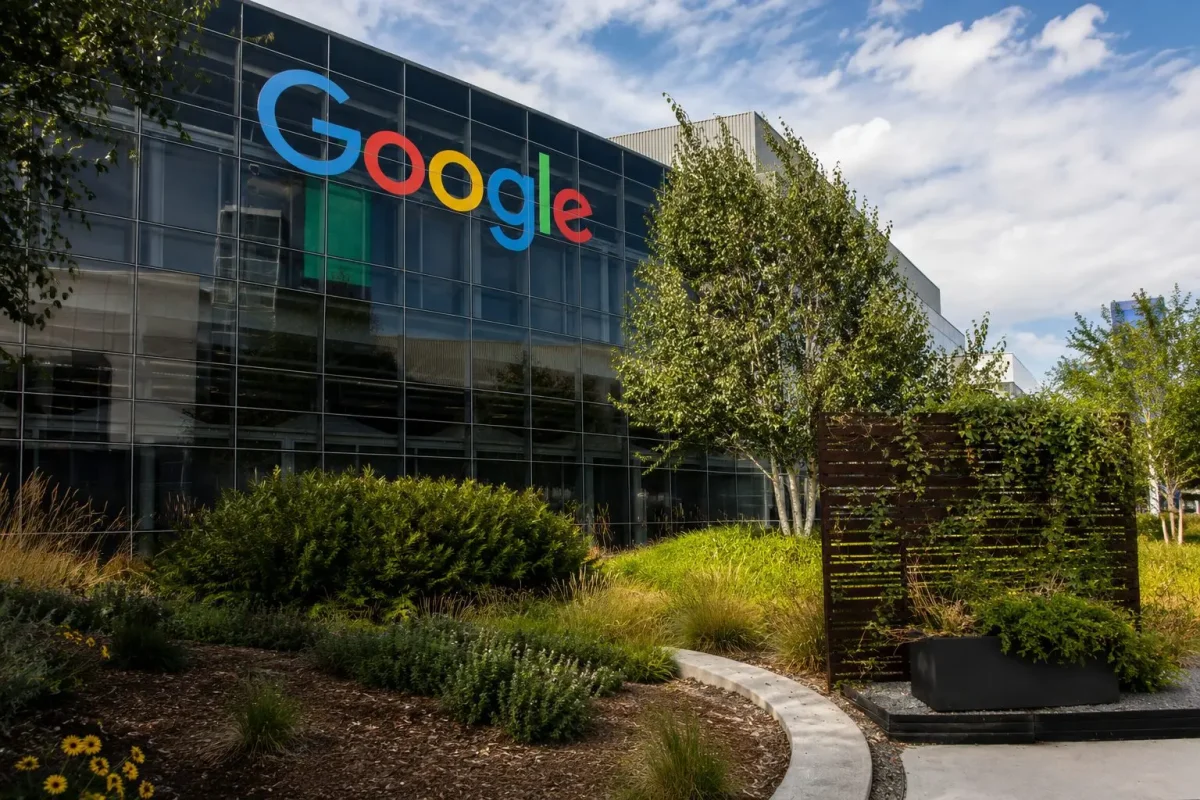
Alphabet's Class A shares slipped in late-morning trading on Wednesday following the company's decision to upsize and price an $84.75 billion equity offering. The capital raise is earmarked for funding the company's expansive artificial intelligence infrastructure buildout. By 12:08 p.m. EDT, GOOGL was down 0.8% at $359.04, while the non-voting GOOG shares declined 0.9% to $355.32.
The move signals a significant shift from boardroom promises to concrete shareholder action, as Alphabet looks to secure the massive capital required to defend its leading positions in search, cloud computing, and AI. However, the issuance of new shares raises the specter of dilution, where each existing share represents a smaller claim on future profits, even as the cash infusion aims to bolster the company's competitive edge.
Details of the Offering
Alphabet increased the total raise from an initial $80 billion to $84.75 billion, comprising $18 billion in Class A and Class C common stock, $16.75 billion in depositary shares linked to 6.25% mandatory convertible preferred stock, a $40 billion at-the-market (ATM) program, and a $10 billion private placement with Berkshire Hathaway. The mandatory convertible preferred shares pay a preferred dividend but must convert into common shares at a later date, while the ATM program allows Alphabet to sell shares into the open market over time.
The pricing details reveal 25,459,689 Class A shares at $355.1982 each and an equal number of Class C shares at $351.8018 each. The preferred-linked depositary shares were priced at $50 each. The offerings are expected to close on June 4 and June 5, subject to customary conditions.
Use of Proceeds and Market Context
Proceeds from the raise will be directed toward general corporate purposes, including capital spending to scale AI infrastructure and global computing capacity. In its offering materials, Alphabet projected 2026 capital expenditures in the range of $180 billion to $190 billion and noted that demand for AI services currently exceeds available supply.
Berkshire Hathaway's participation as a key investor lends credibility to the deal, but it does not eliminate concerns about share supply. Steven Check, president and chief investment officer of Check Capital Management, remarked that Berkshire is "the kind of shareholder" any company would want. Bill Stone, chief investment officer at Glenview Trust, added that the purchase suggests Berkshire CEO Greg Abel expects a "reasonable return" from Alphabet's AI spending.
The broader market backdrop was not supportive. The Nasdaq Composite was down 0.42% on Wednesday as U.S. stocks retreated, with investors also monitoring rising oil prices and escalating Middle East tensions.
Competitive Landscape
Among large AI-linked peers, performance was mixed. Microsoft fell 3.3% and Amazon lost 2.6%, while Meta Platforms rose 2.9%, indicating that investors are not treating all AI infrastructure spenders equally. Alphabet, Microsoft, and Amazon are competing for cloud customers requiring greater computing power for generative AI, while Meta is spending heavily to support its own AI products and advertising systems. The market is now scrutinizing how much of this spending will translate into durable revenue and how quickly.
However, the downside case is clear. Alphabet warned in its prospectus that the ATM program, future share sales, and conversion of preferred stock could dilute holders or weigh on the market prices of its Class A and Class C shares. If AI demand cools or if the new capacity takes longer to generate returns, the financing could shift from being a strength to a cost that shareholders must absorb.
For now, Alphabet's stock is trading like that of a company with robust demand and a significant funding requirement. The next test is mechanical but important: whether the common stock offering closes on Thursday and the depositary share offerings follow on Friday without renewed pressure on Alphabet's shares.