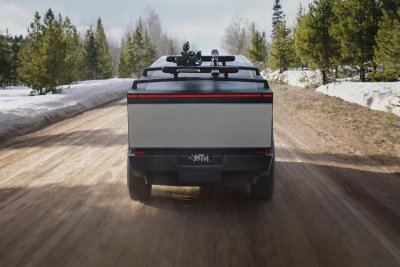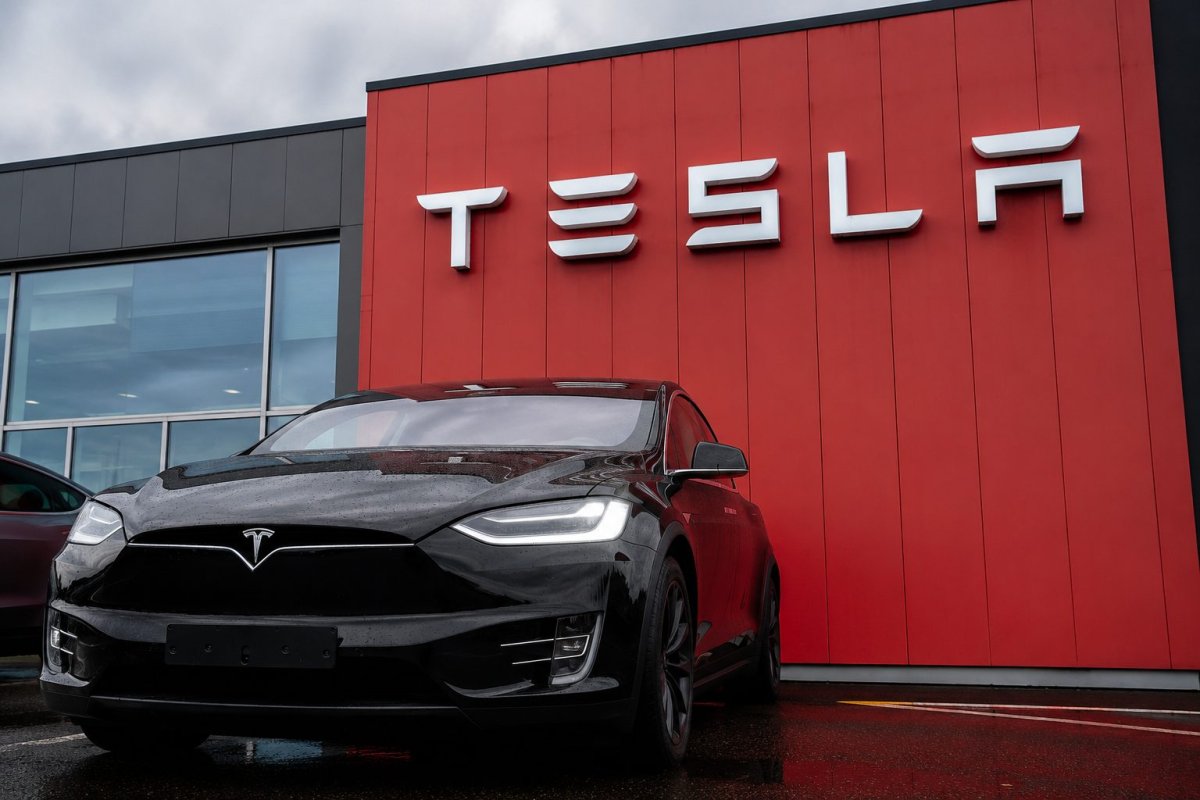
Tesla shares tumbled approximately 3.9% to $427.60 by midday Tuesday, erasing gains from a rally fueled by artificial intelligence optimism and momentum from China. The decline came as hotter-than-expected April inflation data pressured high-multiple growth stocks and a Reuters report highlighted significant challenges in the company's robotaxi deployment in Texas.
The stock had surged in recent days on hopes for Full Self-Driving (FSD) subscriptions and potential regulatory approval in China, but Tuesday's action reflected a market recalibration. Investors began questioning how much of Tesla's lofty valuation—which hinges on future software and robotics revenue—can be justified without concrete operational results.
Reuters journalists tested Tesla's robotaxi service in Austin and encountered long wait times, limited vehicle availability, and drop-offs far from their destinations. One trip that normally takes 20 minutes stretched to nearly two hours. The report tallied roughly 50 Tesla robotaxis in Austin, compared to over 250 for Waymo, Alphabet's autonomous vehicle unit. In 27% of checks, no Tesla cars were ready for service.
The broader market backdrop also weighed on Tesla. The April Consumer Price Index came in at 3.8% year-over-year, above the 3.7% estimate, reinforcing expectations that the Federal Reserve will hold rates higher for longer. Polymarket traders assigned a 62% probability to zero Fed rate cuts in 2026, while Kalshi's 'next rate hike' contract showed 47% odds of a hike before July 2027. Higher rates reduce the present value of distant profits, a key vulnerability for Tesla's growth-dependent valuation.
Despite the bearish sentiment, the bull case retains some support. Tesla reported 1.28 million active FSD subscriptions in its first-quarter update, a 51% year-over-year increase. Paid robotaxi miles nearly doubled from the previous quarter. The company also noted FSD approval in the Netherlands, potentially opening doors in other European markets, and continues to pursue regulatory clearance in China.
However, bearish arguments center on execution risks and capital intensity. Tesla CFO Vaibhav Taneja described the company as being in a 'very big capital investment phase,' with capital expenditures set to exceed $25 billion for factories, equipment, and other assets. Elon Musk flagged a 'very significant increase' in spending, promising long-term payoffs but offering little near-term relief.
China remains a critical factor. Tesla produced 79,478 Shanghai-built EVs in April, up 36% from a year earlier, including exports. This boost helped restore some confidence after a rocky 2025. But Reuters noted that full FSD approval in China is now expected in the third quarter, missing the initial first-quarter target. Pressure from cheaper domestic competitors persists.
Competitive dynamics added to the pressure. General Motors edged higher midday, Ford slipped about 1.1%, and Rivian dropped 2.1%, placing Tesla in line with the broader sector's weakness. Uber shares rose, suggesting the market distinguishes between a functional ride-hailing platform today and the promise of fully driverless rides later. Tesla's robotaxi ambitions face fresh scrutiny as rivals like Waymo operate larger fleets.
Positive headlines failed to lift the stock. Tesla announced plans to invest nearly $250 million to expand battery-cell output at its Grünheide facility in Germany, boosting annual capacity to 18 GWh from 8 GWh. While this underscores long-term supply-chain ambitions, it does little to address immediate concerns about robotaxi reliability and the cost of scaling autonomous operations.
The divergence in analyst views remains stark. Piper Sandler's Alexander Potter argues that Tesla's roughly $400 stock price does not factor in the Optimus humanoid robot, telling clients they effectively get that business 'for free.' This core bullish pitch sees autos as the foundation, with software and robotics offering potential upside. But the pushback centers on cash flow and timing, with no clear path to profitability for these futuristic ventures.
Ultimately, Tuesday's selloff underscores a market that is demanding tangible results, not just ambition. Monday's rally was built on China-FSD and AI hopes; by Tuesday, investors wanted proof of uptime, regulatory traction, and transparent economics. Until those metrics improve, Tesla's stock may remain tethered to the realities of execution rather than the allure of its vision.