AUSTIN, Texas, April 2, 2026, 11:15 CDT
Tesla's first-quarter vehicle deliveries totaled 358,023 units, falling short of the analyst consensus estimate of 365,645. The stock declined approximately 4.2% in late morning U.S. trading following the announcement. Production figures were notably higher, with 408,386 vehicles manufactured during the quarter. The company also deployed 8.8 gigawatt-hours of energy storage products. Full financial results for the first quarter are scheduled for release on April 22.
While deliveries increased 6.3% compared to the first quarter of 2025, which saw 336,681 vehicles delivered, they dropped roughly 14% from the 418,227 units shipped in the final quarter of 2025. This sequential decline dampened optimism that Tesla had emerged from its prior slump following a stronger end to the previous year.
Mounting Headwinds and Inventory Pressure
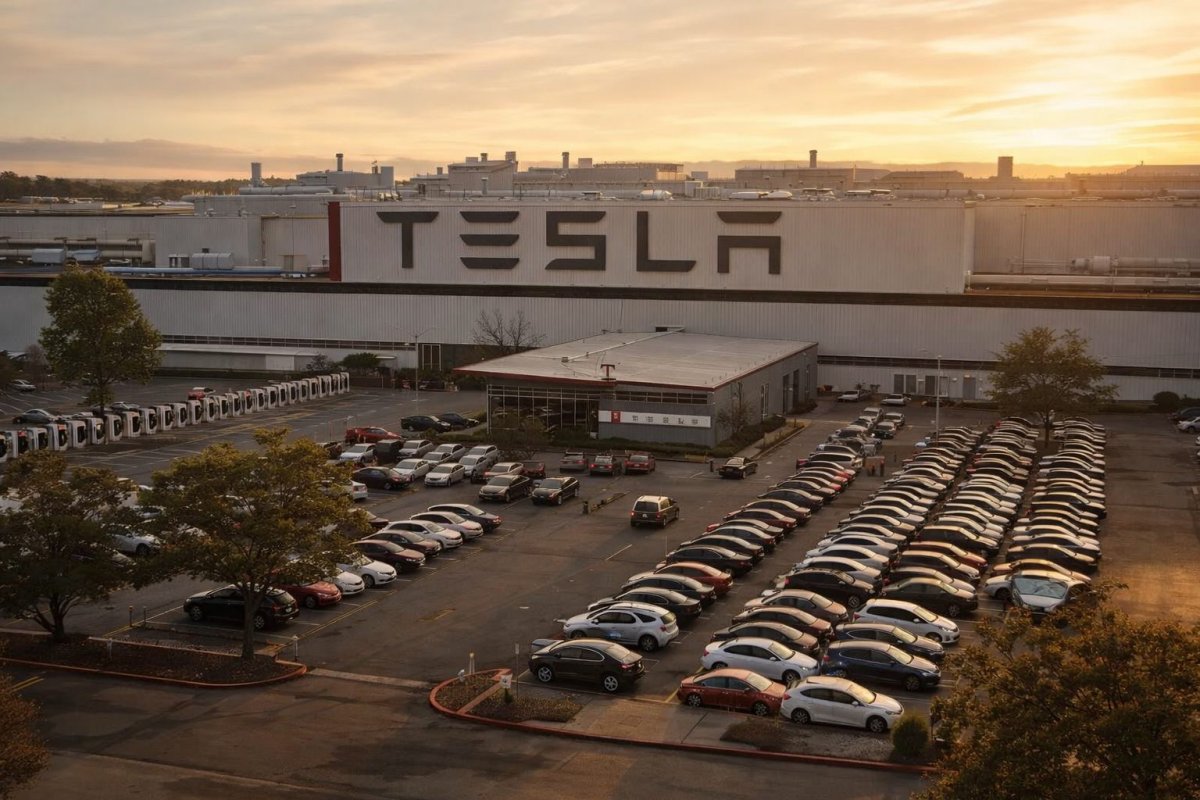
The automotive business continues to face significant challenges. The expiration of the U.S. federal electric vehicle tax credit and ongoing regulatory delays for the broader deployment of Tesla's Full Self-Driving software in Europe are cited as key factors restraining delivery growth. According to Reuters, Tesla concluded the quarter with 50,363 more vehicles produced than delivered, signaling a substantial accumulation of unsold inventory.
This dynamic intensifies pressure on Tesla's strategic pivot beyond pure vehicle sales. The company is increasingly urging investors to focus on future growth drivers like autonomous driving software and robotaxis, anticipating a potential rebound in car sales. Analysts note that operational metrics such as software rollout statistics are becoming critical indicators alongside traditional delivery numbers.
Mixed Regional Performance
Certain markets showed strength. Sales of Tesla's China-made Model 3 and Model Y, according to data from the China Passenger Car Association, rose 8.7% in March and surged 23.5% for the entire quarter. Despite these gains, Tesla's share of the competitive Chinese EV market contracted to 8% from 10%, as domestic rivals like BYD applied increasing pressure.
In Europe, March registrations demonstrated robust growth in several key countries. France saw a tripling of registrations, while Norway's figures more than doubled. Increases were also recorded in Sweden, Denmark, Italy, and the Netherlands. However, analysts caution that the impact of higher gasoline prices on EV demand in the region may take several more months to fully materialize.
Competitive Landscape and Financial Outlook
The competitive environment remains fierce. Rivian, a U.S.-based EV startup, reported first-quarter deliveries that exceeded forecasts and reaffirmed its full-year guidance. Its forthcoming R2 SUV, designed for mass appeal, is positioned as a direct competitor to Tesla's popular Model Y.
Looking ahead, the outlook has grown more cautious. Analysts have significantly reduced their 2026 delivery growth forecast for Tesla to approximately 3.8%, a sharp decline from the 8.2% projected in January. Some are now contemplating the possibility of a third consecutive annual drop in deliveries. This comes as Tesla plans for capital expenditures exceeding $20 billion. The combination of slowing growth and heavy investment threatens to push the company's free cash flow into negative territory. As one analyst noted, achieving zero growth in this environment might be considered a 'win,' and any acceleration in the decline would pose a serious problem.