Shares of Transocean Ltd. moved higher in Monday's trading session, outperforming other major offshore drilling contractors. The stock closed at $6.46, marking a notable increase from its prior close as investors assessed the company's strategic acquisition plans and robust contractual position.
Merger Creates Offshore Drilling Behemoth
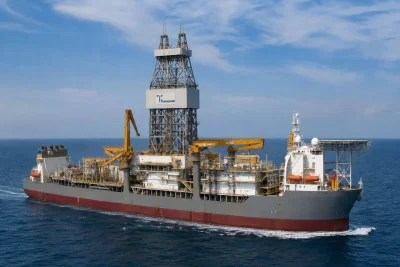
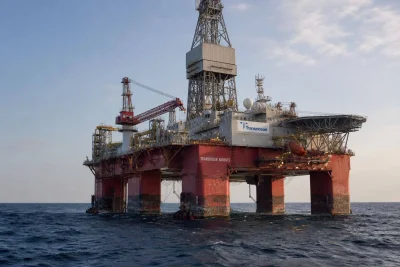
At the center of market attention is Transocean's proposed all-stock transaction to acquire rival Valaris Ltd., valued at approximately $5.8 billion. The combination, which is targeted for completion in the second half of 2026 pending regulatory and shareholder approvals, would forge a fleet of 73 offshore rigs. The combined entity would hold a pro forma contract backlog nearing $11 billion, representing substantial future revenue visibility.
Under the terms of the agreement, Valaris shareholders would receive 15.235 Transocean shares for each Valaris share they own, giving them an estimated 47% ownership stake in the merged company. Transocean's existing shareholders would retain roughly 53%.
Financing and Strategic Rationale
In a filing with the U.S. Securities and Exchange Commission on March 20, Transocean's board requested shareholder authorization to issue up to 240.8 million new shares, equating to about 20% of its outstanding stock as of early March. This authority, if granted, would be effective through May 2027 and is seen as part of the financing strategy for the transaction and general corporate purposes.
Chief Executive Keelan Adamson outlined the compelling logic behind the deal in the proxy statement. He emphasized that the merger is transformative, with anticipated annual synergies exceeding $200 million. Furthermore, Transocean expects to achieve around $250 million in standalone cost reductions. Adamson also addressed the company's leverage, suggesting the combined company's debt could fall to approximately 1.5 times earnings within two years post-closing.
The company enters 2026 with a strong operational foundation, having already secured contracts for more than 90% of its existing fleet. Transocean's current backlog stands at $6.1 billion, providing a solid revenue base.
Market Consolidation and Analyst Perspective
Industry analysts view the proposed merger as a significant step toward market consolidation. Leslie Cook, a principal analyst at Wood Mackenzie, noted that the deal would cement Transocean's dominance in the high-specification ultra-deepwater rig segment. Cook suggested the market could move closer to a duopoly structure, which would likely enhance the combined company's pricing power in future contract negotiations.
Risks and Volatile Backdrop
Despite the optimistic outlook, Transocean has acknowledged several risks that could impact the merger. These include potential regulatory or shareholder opposition, litigation, customer contracts with change-of-control provisions, achieving lower synergies than projected, and delays in debt reduction efforts.
The broader oil market remains a volatile factor. Crude prices experienced significant swings during the trading session. Brent crude futures fell sharply, closing down 10.9% at $99.94 a barrel, after geopolitical tensions between the U.S. and Iran showed signs of easing. However, prices rebounded in early Asian trading on Tuesday following renewed uncertainty, highlighting the fragile and reactive nature of the commodity market that directly impacts offshore drilling demand and day rates.
The proposed Transocean-Valaris combination represents a pivotal moment for the offshore drilling industry, which is still recovering from a prolonged downturn. If successful, it would create the world's largest offshore driller by fleet size and backlog, positioning it to capitalize on any sustained recovery in deepwater exploration and development spending.