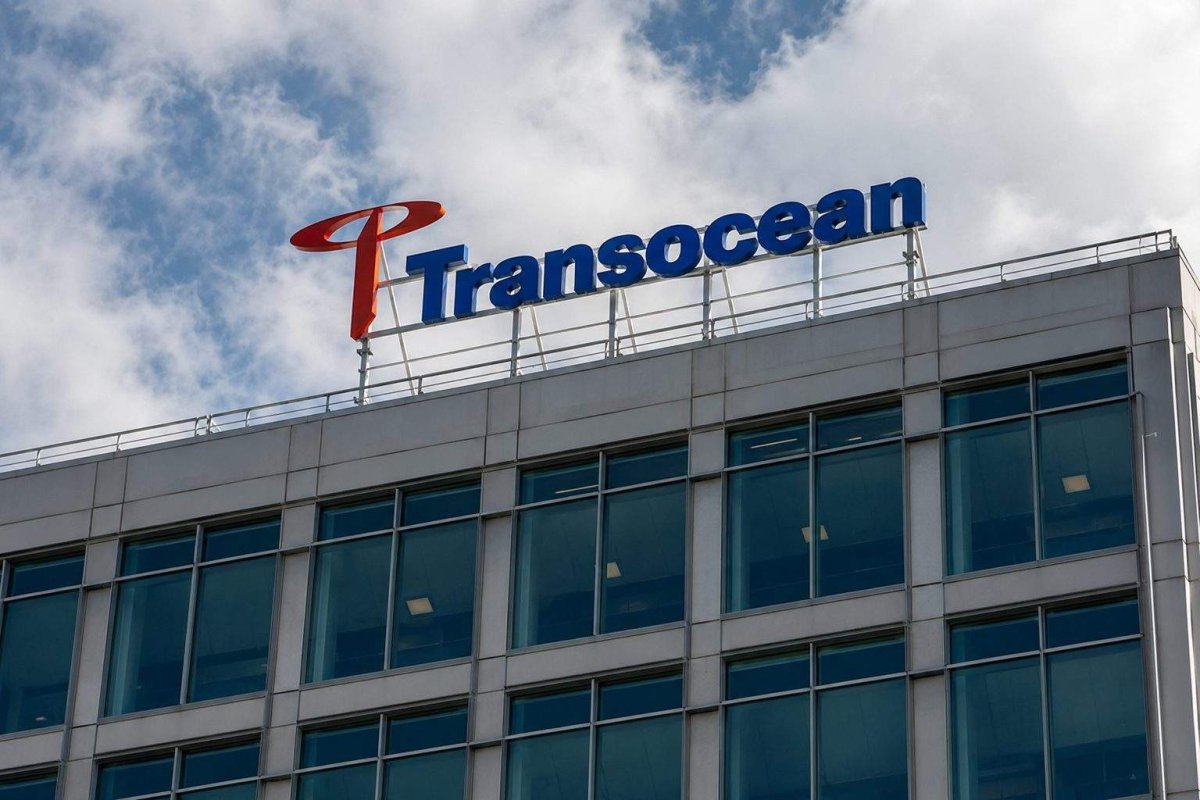
Shares of Transocean Ltd. (NYSE:RIG) advanced during Tuesday's session, tightening the merger arbitrage spread on its planned acquisition of Valaris Limited (NYSE:VAL) to 2.15%. The move came as Brent crude oil prices touched their highest level in five weeks, providing a tailwind for offshore drilling stocks.
Transocean closed at $5.24, up 4.3%, while Valaris settled at $78.08. Based on the fixed exchange ratio of 15.235 Transocean shares for each Valaris share, the implied value of Valaris stood at approximately $79.76 per share. This compares to a gross spread of 3.07% the previous week, when Transocean traded at $5.31 and Valaris at $78.49.
The narrowing spread reflects a convergence in valuations as the deal progresses. Under a certification scenario expected by July 31, the simple annualized spread to a potential closing date around September 29 amounts to 11.2%, before accounting for hedging costs. Investors typically hedge one Valaris share by shorting 15.235 Transocean shares to mitigate exposure to oil price fluctuations, though borrowing and execution expenses still apply.
The timeline remains uncertain. The companies have agreed not to attest to significant DOJ compliance before July 31, with a 60-day period from that date falling around September 29. However, certification delays could extend the timeline, while an earlier DOJ decision might shorten it. The Committee on Foreign Investment in the United States (CFIUS) has already granted approval, but shareholder votes are still pending.
Debt reduction remains a key driver for the merger. Transocean CEO Keelan Adamson noted in February that the company's debt level negatively impacts its equity value and that this transaction addresses that concern. As of March 31, Transocean reported $5.14 billion in principal debt, with first-quarter free cash flow of $136 million. The company's backlog increased to $7.1 billion as of May 4.
Transocean recently secured a contract with Equinor ASA (NYSE:EQNR) in Norway, contributing over $1 billion across seven years for rigs, with a base dayrate of $399,000 before potential increases. The company's initial revenue outlook for the current quarter ranges between $930 million and $970 million, with no earnings announcement expected before August 5.
The broader offshore drilling sector also saw gains on Tuesday. Noble Corporation plc (NYSE:NE) rose 4.9%, while Seadrill Limited (NYSE:SDRL) gained 3.4%. Brent crude futures climbed 2.0% to close at $91.01, the highest since June 10, while WTI ended at $84.91. Analysts at Gelber & Associates highlighted a higher probability of logistics remaining unstable through the week, as two Saudi oil shipments changed direction in the Red Sea.
Despite the positive session, the merger duo has underperformed pure-play drillers during the recent oil price rally. Over the last complete week, Transocean dropped 1.2% and Valaris slipped 1.3%, while Noble rose 3.8% and Seadrill gained 6.4%, with Brent climbing roughly 16%. Tuesday's session only partially narrowed the performance gap.
Key risks for the deal include potential antitrust holdups, required shareholder approvals, oil price volatility, rig downtime, and leverage concerns. Any delay in closing or remedies that reduce anticipated deal synergies could cause the spread to widen. At present, prices reflect significant oil exposure and a modest deal discount, while the debt-reduction argument remains unproven.