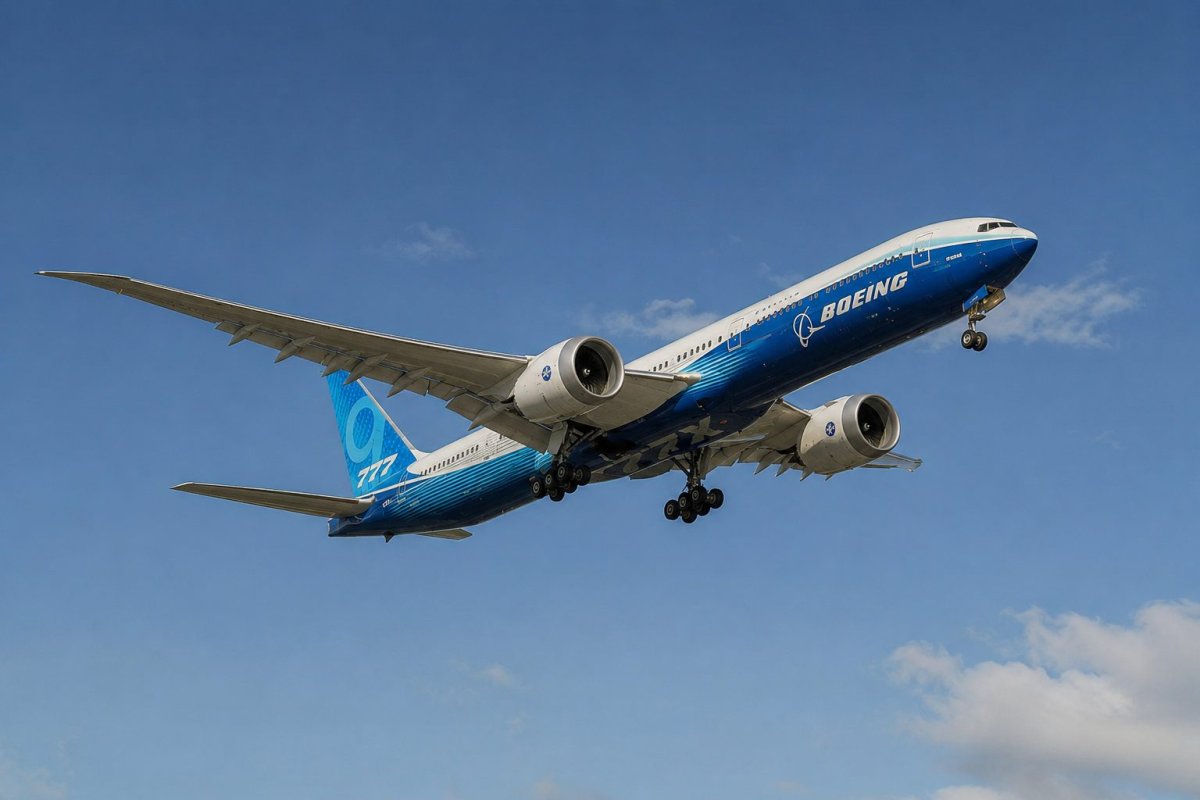
U.S. Treasury Secretary Scott Bessent stated on Thursday that he anticipates China will unveil significant Boeing aircraft purchases during President Donald Trump's upcoming trip to Beijing, placing the aerospace giant at the center of trade and geopolitical discussions. Speaking to CNBC, Bessent expressed confidence in the deal, which could involve up to 500 737 MAX narrowbody jets, according to industry sources. This would represent China's first major Boeing order since 2017, a crucial step for the American manufacturer as it seeks to rebuild its Chinese order pipeline after years of stagnation.
Boeing's Strategic Push
Boeing CEO Kelly Ortberg, part of Trump's business delegation, has emphasized the need for political support to secure large orders from China. Without the administration's backing, Ortberg noted that near-term large orders from China are unlikely. The potential deal, which also includes discussions on widebody aircraft, would provide President Trump with a significant export win and help Boeing navigate recent challenges related to safety and production issues.
China's demand for new aircraft remains robust, with Boeing's 2024 outlook projecting a need for 8,830 new commercial jets by 2043. The country's fleet is expected to more than double from 4,345 to 9,740 aircraft over the next two decades, making it the world's largest aviation market by 2043, according to Fortune.
Trade Talks and Broader Agreements
Bessent also revealed that discussions extend beyond aircraft to include Chinese purchases of U.S. energy and agricultural products, as well as potential Chinese investments in non-strategic U.S. sectors. The talks involve establishing a Board of Trade and a Board of Investment, with the latter providing early review of deals before they reach the Committee on Foreign Investment in the United States (CFIUS).
Trump's entourage includes executives from major U.S. companies such as Apple's Tim Cook and GE Aerospace's Larry Culp, highlighting the broad range of sectors Washington aims to address. The negotiations are expected to focus on trade platforms and potential agreements involving Boeing, agriculture, and energy.
Geopolitical Tensions
Despite the potential for a landmark deal, the aircraft order could become collateral damage in broader U.S.-China tensions. Chinese President Xi Jinping warned Trump that mistakes over Taiwan could lead to extremely dangerous consequences, possibly conflict. Joe Mazur, a geopolitics analyst at Trivium China, noted that Xi's warning was unusually direct, cautioning the U.S. not to escalate tensions.
Beijing is also pushing for relief from U.S. restrictions on advanced semiconductors and chipmaking equipment, adding another layer of complexity to the negotiations.
Competitive Landscape
Boeing's main rival, Airbus, has not remained idle. The European manufacturer established a second final assembly line in Tianjin last year for its A320neo jets, direct competitors to the 737 MAX and China's COMAC C919. Airbus CEO Guillaume Faury expects this move to help the company achieve its goal of producing 75 A320-family aircraft per month by 2027.
China's domestically produced C919, while strategically important, has yet to achieve significant production volumes. According to the South China Morning Post, only three C919s were delivered to Chinese airlines in the first quarter of 2026, with persistent supply chain issues affecting engines and components.
Outlook
Bessent did not provide specifics on the number of jets, buyers, or delivery timelines, leaving Boeing's situation largely unchanged. While the political path appears clearer, the absence of firm orders, production dates, or regulatory approval from China means that the comeback remains contingent on the summit's outcomes.