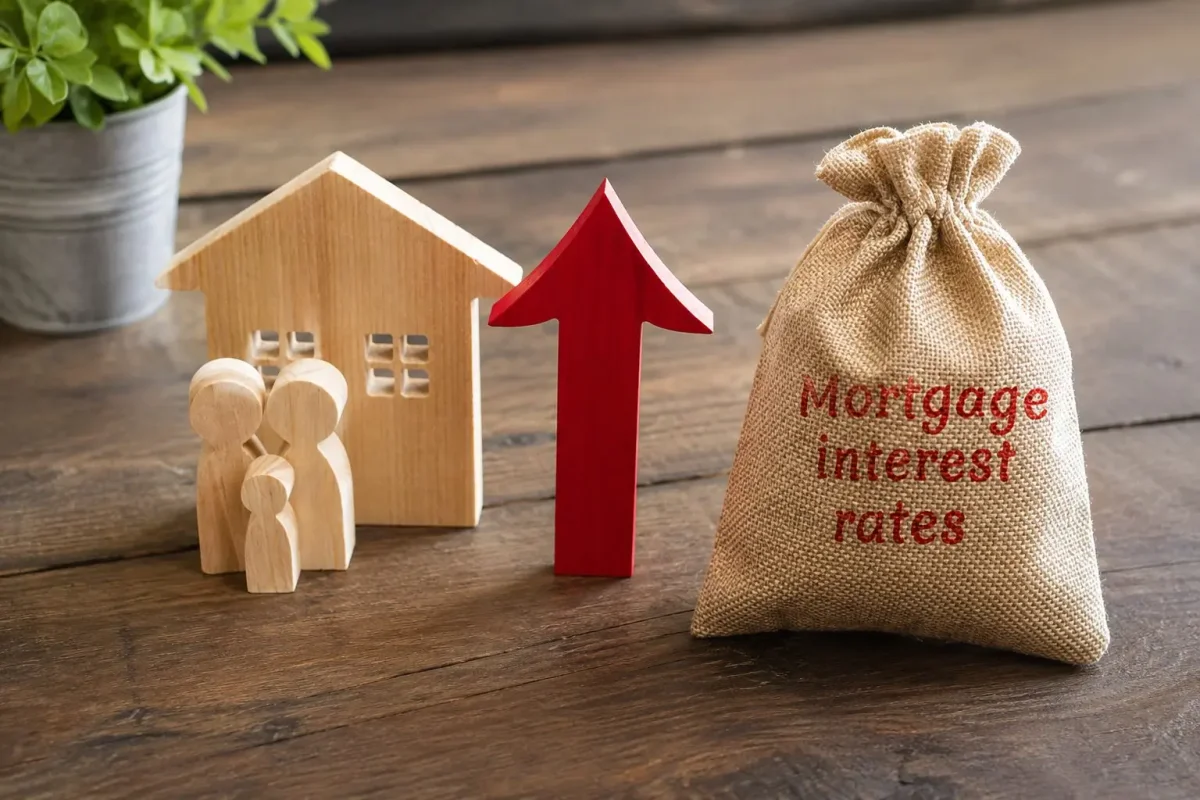
U.S. mortgage rates inched higher this week, approaching their peak for the year, as persistent inflation and a robust job market continue to exert upward pressure on borrowing costs. According to Freddie Mac, the average rate for a 30-year fixed-rate mortgage rose to 6.52% for the week ending June 11, up from 6.48% the prior week. That is just shy of the 6.53% recorded two weeks ago, which marked a 2026 high. The 15-year fixed-rate mortgage, often used for refinancing, also ticked up to 5.84% from 5.79%.
Despite the recent uptick, both the 30-year and 15-year rates remain below levels seen a year ago, when they stood at 6.84% and 5.97%, respectively. However, the renewed climb in rates is squeezing household purchasing power and keeping affordability a central concern for potential homebuyers. Sam Khater, Freddie Mac's chief economist, noted that stronger employment data has helped drive existing home sales to a five-month high, as buyers "look past short-term rate fluctuations" and re-enter the market.
Inflation and Labor Data Fuel Rate Rise
The latest increase in mortgage rates follows the release of fresh inflation figures that dashed hopes for a near-term easing. The Bureau of Labor Statistics reported that consumer prices rose 4.2% year-over-year in May, up from 3.8% in April, with energy costs surging 23.5% annually. Gasoline prices alone jumped 40.5%. Meanwhile, the Producer Price Index climbed 1.1% in May and was up 6.5% from a year earlier, its fastest annual pace since November 2022, driven by rising energy prices. Jobless claims edged up by 4,000 to 229,000 for the week ended June 6, but the data still points to a steady labor market, according to Reuters.
Stubborn inflation and a solid jobs backdrop have kept bond yields elevated, with the 10-year Treasury note yielding 4.53% at midday Thursday, up from 4.47% a week ago and significantly higher than the 3.97% at the end of February. Mortgage rates typically track the 10-year yield, so the upward pressure on bonds is directly feeding into higher borrowing costs for home loans.
Outlook: Rates to Stay Elevated Through 2028
A Reuters poll of property experts conducted from June 1-11 projects that the 30-year mortgage rate will average 6.4% in the third quarter, 6.3% in the fourth quarter, and remain above 6% through 2028. The same survey forecasts S&P CoreLogic Case-Shiller 20-City home prices will rise 1.2% this year and 2.0% in 2025, underscoring the persistent affordability challenge. "We've gotten to a point where it is becoming increasingly challenging for the typical American to get on the housing ladder," said James Knightley, chief international economist at ING, in the Reuters poll. Nearly two-thirds of analysts surveyed expect purchasing affordability to deteriorate further over the next year.
Applications Rebound as Buyers Adapt
Despite the headwinds, mortgage applications rebounded sharply last week. The Mortgage Bankers Association reported that overall applications surged 10.8% for the week ended June 5, with refinance applications jumping 15% and purchase applications rising 7%. "Mortgage rates were volatile last week as news from the Middle East continues to drive markets," said Mike Fratantoni, MBA's senior vice president and chief economist. The uptick suggests some buyers are adjusting to the higher rate environment, though the long-term outlook remains constrained by elevated prices and limited inventory.
Existing-Home Sales Edge Up
Existing-home sales also showed signs of life in May, rising 3.2% from April and matching the same month last year. The National Association of Realtors reported a seasonally adjusted annual rate of 4.17 million units. The median existing-home price increased 1.3% year-over-year to $429,300, while inventory grew to 1.55 million units, giving buyers more choices even as prices remain near cyclical highs. However, with mortgage rates hovering near 2026 peaks and inflation still running hot, the path to a more accessible housing market remains fraught with challenges.