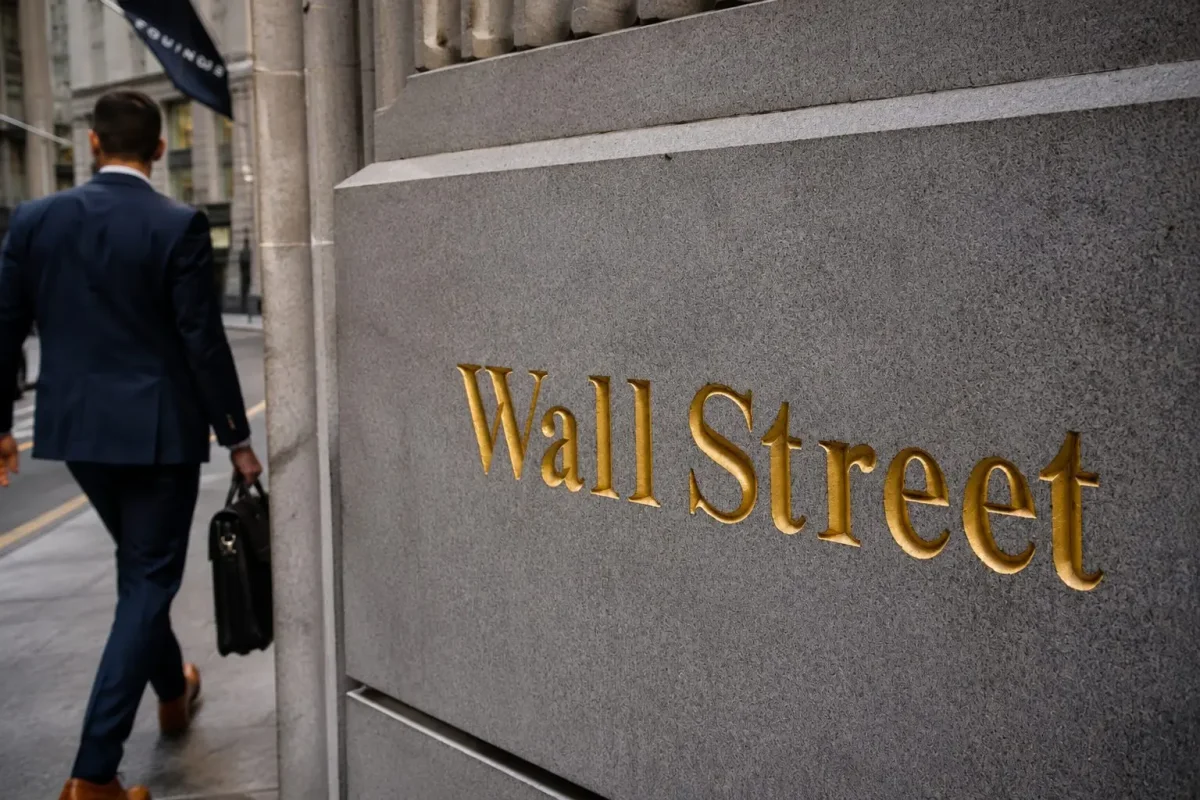
NEW YORK, July 27, 2026, 10:06 EDT — U.S. equities opened the trading week on a strong note Monday, with major indices climbing as a temporary de-escalation between the United States and Iran sent crude oil prices sharply lower. The S&P 500 advanced approximately 0.8% at the opening bell, the Nasdaq Composite gained 1%, and the Dow Jones Industrial Average surged nearly 580 points.
The market’s positive start was fueled by a sudden drop in oil prices after both nations agreed to pause military strikes, a move that eased fears of sustained inflation that had weighed on sentiment in prior sessions. Brent crude fell 6.6% to $90.41 a barrel, while West Texas Intermediate slipped 5.7% to $84.23.
Travel and leisure stocks were among the biggest beneficiaries of the energy price relief. An equal-weighted basket of travel companies rose 2.7% in early trading. United Airlines Holdings (NASDAQ:UAL) led the group with a 3.3% gain, followed by Carnival Corp (NYSE:CCL) up 3.7%, Royal Caribbean Group (NYSE:RCL) up 1.9%, and Southwest Airlines (NYSE:LUV) up 1.6%.
In contrast, energy producers lagged. Exxon Mobil (NYSE:XOM) fell 1.4% and Occidental Petroleum (NYSE:OXY) dropped 1.7%, averaging a 1.5% decline. The 4.2-percentage-point spread between the travel basket and the energy pair far exceeded the broader market’s advance, indicating investors placed greater weight on short-term cost savings from lower fuel prices than on reduced oil industry income.
The trigger for the market shift was a temporary halt in hostilities, described by U.S. Ambassador to the United Nations Mike Waltz as intended to “give diplomacy some space.” Iran denied direct negotiations with the U.S. but confirmed discussions with Oman regarding maritime navigation, according to CBS News.
The rate outlook shifted quickly. CME Group (NASDAQ:CME) data showed the probability of a Federal Reserve rate hike on Wednesday stood at roughly one in three, down from 37% on Friday. The yield on the 10-year Treasury note fell about four basis points to 4.64%, while gold rose 0.9% to $2,385 an ounce, supported by declining yields and a weaker dollar.
Despite the rally, risks remain. PVM analyst John Evans cautioned that the pause does not guarantee a quick resumption of oil shipments. Kpler data indicated that fewer than 10 commodity ships transited the Strait of Hormuz daily over the weekend, a critical chokepoint that saw 20.9 million barrels per day pass through in the first half of 2025, representing roughly 20% of global petroleum-liquids consumption.
The S&P 500 entered Monday after back-to-back weekly declines, with Brent crude having risen above $100 last week as shipping disruptions extended into the Red Sea. Key economic reports are due this week, including the Federal Reserve’s rate decision on Wednesday and June’s core personal-consumption expenditures inflation data on Thursday. Fresh strike action or stronger-than-expected inflation could reverse the current trend.
For now, the rally is fueled by lower oil prices rather than a finalized agreement, leaving markets vulnerable to any renewed geopolitical tensions.