British retail sales volumes increased by 0.5% in August, defying economists' expectations of a decline, according to data released Friday by the Office for National Statistics. The monthly gain reversed July's 0.5% contraction, while the annual growth rate stood at 2.4%. The upside surprise was significant: forecasters polled by Reuters had predicted a 0.2% month-on-month drop, making the actual result a 0.7-percentage-point beat.
The composition of the data offers more insight than the headline number. Online spending rebounded strongly, rising 2.5% in August after a 4.2% slump in July, lifting the online share of total retail spending to 28.8% from 28.4%. Meanwhile, automotive fuel presented a stark contrast: volumes fell 1.3%, but spending at petrol stations climbed 4.3%, reflecting higher prices rather than increased consumption.
The divergence between the 1.3% rise in total spending value and the 0.5% increase in volume suggests that price movements and shopping mix, rather than a surge in unit demand, drove the improvement. This is not a standalone inflation measure, but it underscores the persistent pressure on consumer purchasing power.
Implications for Monetary Policy
The stronger-than-expected retail figures complicate the Bank of England's interest-rate deliberations. At its September meeting, the Monetary Policy Committee held the Bank Rate at 3.75% by a six-to-three vote, with the minority favoring a quarter-point increase. With consumer price inflation running at 3.1%—above the 2% target—another solid demand reading gives the majority less reason to rush toward a cut. However, a single month of retail data is unlikely to settle the November decision, and policymakers will weigh broader economic indicators.
Sterling edged 0.1% higher to $1.337 following the release, reflecting modest market reaction. Investors will now focus on the Bank's next rate decision on November 5, with the ONS scheduled to publish September retail sales on October 23.
Sector Breakdown and Retailer Read-Through
Beyond fuel, non-food store volumes rose 0.6% in August. Department stores recovered from stock-availability issues that hampered July, while non-store retailers bounced back after promotions had pulled purchases forward into June. The broad-based volume recovery is a more favorable starting point for listed retailers than July's contraction, particularly for those with exposure to clothing, department stores, and online channels.
However, analysts caution that the aggregate figures do not reveal market share dynamics, discounting intensity, wage costs, or gross margins. A company can lose sales even when the national total grows, or gain revenue by taking share during a weak period. The online rebound, while positive, may have been promotion-led and could carry lower margins than full-price demand.
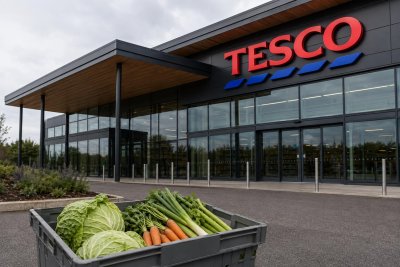
For investors in major UK retailers such as Tesco, Next, JD Sports, and Associated British Foods (owner of Primark), company trading statements remain the critical evidence to connect macro data to earnings.
Data Quality and Revisions Risk
The robustness of the August numbers is open to revision. The first estimate was based on a 56.7% response rate, covering 92.3% of sampled turnover, so the figures could be adjusted as more data becomes available. The steadier three-month measure showed a 0.9% increase from the previous three months and 2.4% year-on-year, offering a more stable picture, but the ONS emphasizes that monthly estimates are volatile.
June's growth was revised down to 0.6% from 0.7%, a reminder that initial readings can change. If September retail sales fail to sustain the momentum, August could be seen as a payback month rather than the start of a durable recovery.
For now, the data provides a modest boost to consumer confidence but leaves the broader economic outlook uncertain. With inflation still above target and borrowing costs elevated, the path for retail spending—and for interest rates—remains finely balanced.