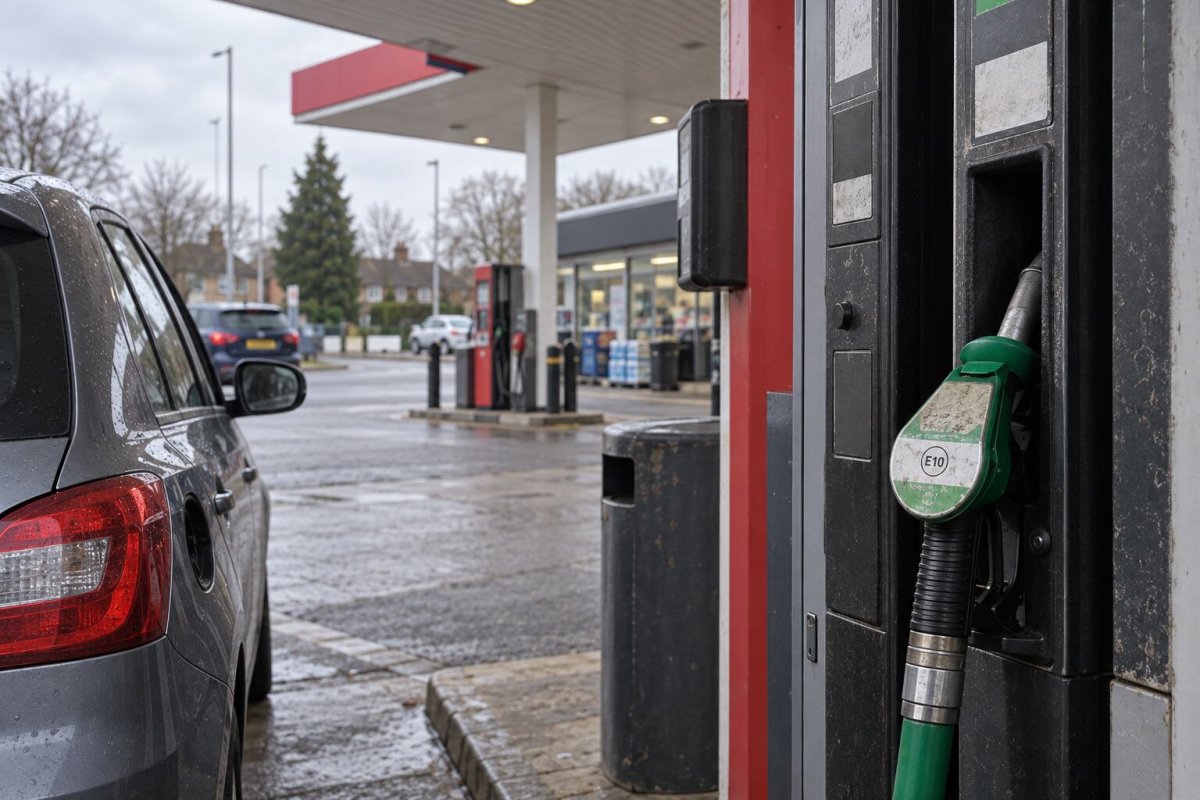
UK motorists are feeling the pinch as petrol prices climb to 167.6p per litre, with diesel reaching 189.1p. The surge comes as Brent crude trades above $100 per barrel, signaling further upward pressure at the pumps. According to the latest data from Pennr's index, which tracks 6,803 forecourts through the government's Fuel Finder system, the national average for E10 petrol rose by 5.4p in just one week, while diesel added 5.3p.
For a typical 50-litre fill-up, drivers now face a bill of £83.80—£2.70 more than last week. This increase is not driven by taxation; the government has extended the 5p fuel-duty cut through December, keeping the main rate at 52.95p per litre. Instead, the pressure stems from rising oil prices, refining costs, and the pass-through from wholesale to retail markets.
Why Petrol Prices Are Still Heading Higher
Front-month Brent crude was up about 2.5% at $100.34 per barrel, according to delayed futures data. The British pound held near $1.3548, offering little relief from currency fluctuations. Since refined fuel is priced in dollars, a weaker pound amplifies oil price increases, while a stronger pound cushions them. With sterling relatively stable, the impact of higher crude is felt directly at the pump.
Pump prices typically lag behind wholesale market movements. On September 4, when unleaded averaged 163.36p and Brent had spent the week above $94, the RAC warned that motorists would soon face higher costs. Five days later, the live average has risen by more than 4p, and crude has added another $6 per barrel. While this does not create an exact one-for-one forecast, it leaves retailers with little room to cut prices unless refining margins or oil prices retreat.
It's important to note that the government's official weekly series and the live Fuel Finder averages use different timing and weighting, so their levels may not match precisely. However, the directional signal is clear: UK fuel costs have moved sharply higher in early September.
The Stock-Market Split
Higher crude prices are generally supportive for the upstream earnings of oil giants BP and Shell, but high pump prices are not pure profit for either company. Refining spreads, station ownership, procurement timing, and competitive pricing all sit between a barrel of Brent and the forecourt till. At 10:10 a.m. BST, BP shares were up 1.5% at 558.3p, while Shell gained 0.9% to 3,532.5p on delayed London data.
The equation is different for supermarket chains Tesco and J Sainsbury. Their forecourts can draw shoppers, but rapidly rising wholesale costs force a choice: pass prices through and risk lower fuel volumes, or absorb part of the increase and squeeze margins. Fuel Finder also makes local price gaps easier to see, increasing the cost of being slow to cut when wholesale prices eventually fall. In the same delayed snapshot, Tesco traded down 0.4% at 473p, while Sainsbury's added 0.4% to 340.7p. These small moves cannot be attributed to petrol alone, but the broader risk is household cash flow: every extra pound spent on commuting is unavailable for grocery upgrades, clothing, or other discretionary purchases.
Inflation and the Bank of England Test
Motor fuel is significant enough to impact interest rates. In its July Monetary Policy Report, the Bank of England estimated that petrol and diesel would add about 0.3 percentage points to CPI inflation on average in the second half of 2026. It also expected the indirect pass-through of higher energy costs through supply chains to contribute roughly 0.5 points to December inflation.
The sequencing is crucial. The Office for National Statistics will publish August CPI on September 16, followed by the Bank's rate decision on September 17. This week's pump surge falls mostly after the August measurement window, so it is a warning about the next inflation print and the Bank's forecast rather than a reason to mechanically lift the August number.
The cleanest bullish change for consumers and retailers would be Brent falling back below the mid-$90s and staying there long enough to reach wholesale contracts. The bearish change would be a sustained oil break above $100 combined with a weaker pound. Until one of those paths establishes itself, 167.6p is better read as a live waypoint than a peak.