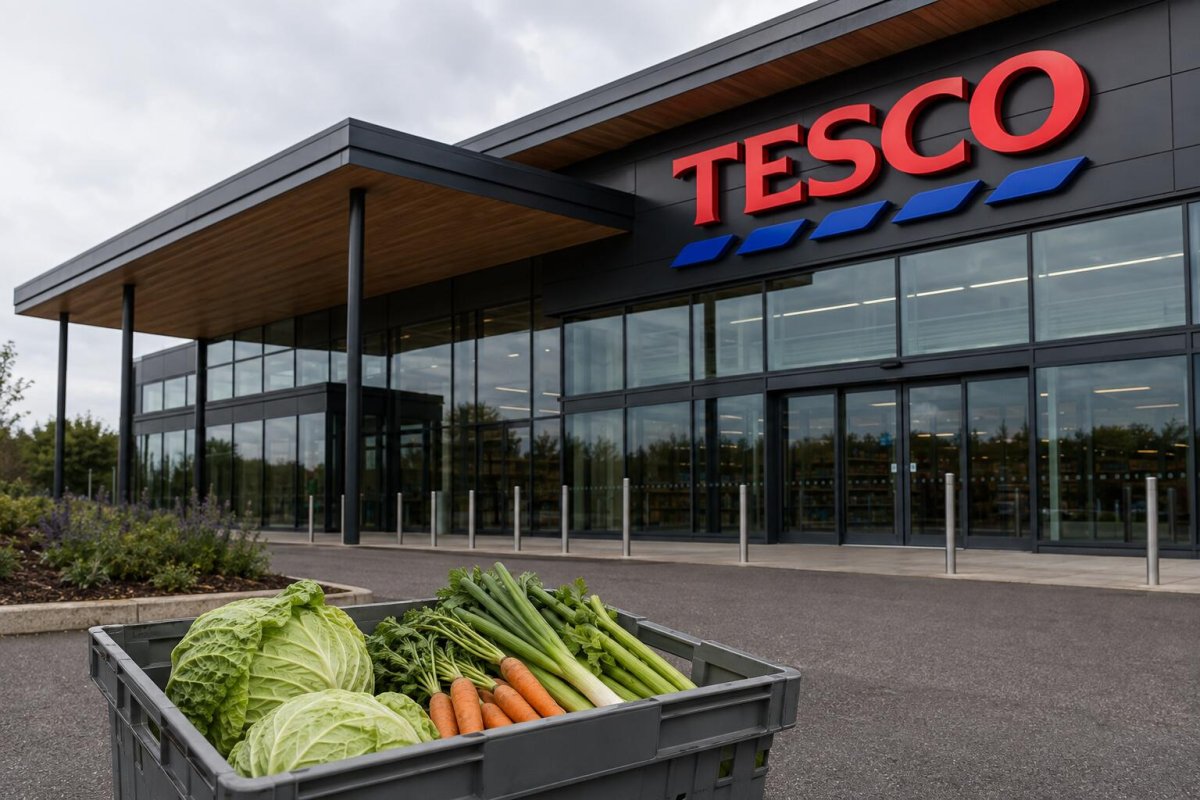
Two of the UK's largest grocers have issued separate product recalls this week due to undeclared allergens, prompting concerns among consumers with specific food sensitivities. Tesco (LON:TSCO) has recalled a specific batch of its Finest Caesar & Smoked Bacon Coleslaw, while Waitrose has pulled a rhubarb crumble from shelves. The alerts, published by the Food Standards Agency (FSA), highlight packaging errors that could pose health risks to individuals with mustard or gluten allergies.
The Tesco recall applies to 270-gram packs of its Finest Caesar & Smoked Bacon Coleslaw with a use-by date of September 4. According to the FSA notice dated September 3, some packs may inadvertently contain Four Cheese Potato Salad, which lists mustard as an ingredient but is not declared on the label. Customers with a mustard allergy are advised not to consume the product and can return it to any Tesco store for a full refund.
Waitrose, part of the employee-owned John Lewis Partnership, has recalled its 500-gram rhubarb crumble with a use-by date of August 19. The product contains oats, but this ingredient is missing from the label. This poses a risk to individuals with an oat or gluten allergy or intolerance, including those with coeliac disease. The FSA notes that even though the use-by date has passed, the product may still be in consumers' freezers, so the warning remains relevant.
From a financial perspective, these recalls appear to be isolated incidents. The FSA notices specify only one pack size and one use-by date for each product, suggesting the affected batches are limited. Tesco's shares closed at 479.4 pence on Monday, September 7, up 0.8% from Friday's close, according to a 15-minute delayed quote from Yahoo Finance. The FTSE 100 index rose 0.17% during the same period, indicating that investors have not reacted negatively to the news.
For Tesco, the earnings impact is likely to be minimal. The company's latest trading statement, released in June, maintained its guidance for group adjusted operating profit of £3.0 billion to £3.3 billion for the fiscal year 2026/27. It also reaffirmed a free cash flow range of £1.5 billion to £2.0 billion. In the 13 weeks ending May 30, UK like-for-like sales grew 1.8%, underscoring the company's robust performance.
The recalls, while concerning for affected consumers, do not currently signal a larger problem. The absence of additional use-by dates or product lines suggests that this is a packaging error rather than a systemic issue. However, if the FSA were to expand the recall to include more batches or identify a recurring problem at a supplier, the financial and reputational consequences could be more significant.
Investors should monitor Tesco's interim results, scheduled for October 8, as a more meaningful indicator of the company's financial health. The market's calm reaction to the recall suggests that it is viewed as a contained issue. For now, the recalls serve as a reminder of the importance of accurate allergen labeling in the food industry.
Both Tesco and Waitrose have issued statements advising customers to return the affected products for a refund. The FSA has published the alerts on its website to ensure public awareness. While the immediate financial impact is negligible, the long-term reputational risk depends on how the companies handle these incidents and whether any further issues arise.