The British government has initiated steps to bring Speciality Steel UK into public ownership, following the rejection of a private sale proposal. The Department for Business, Innovation, Science and Trade (DBIST) announced on September 14 that it will collaborate with the Official Receiver and local authorities over the coming months to explore a state acquisition. However, no purchase price, valuation, or timeline has been disclosed, leaving the future of the four-site steelmaker in uncertainty.
The decision secures, at least temporarily, the employment of more than 1,300 workers across Rotherham, Stocksbridge, Brinsworth, and Wednesbury. It also shifts the financial focus from finding a private buyer to determining how much public capital will be required to restart operations and make the business commercially viable again. The government has not provided estimates for operating costs or a production restart plan, and any purchase will be subject to due diligence, with funding coming from existing budgets.
Background and Failed Private Sale
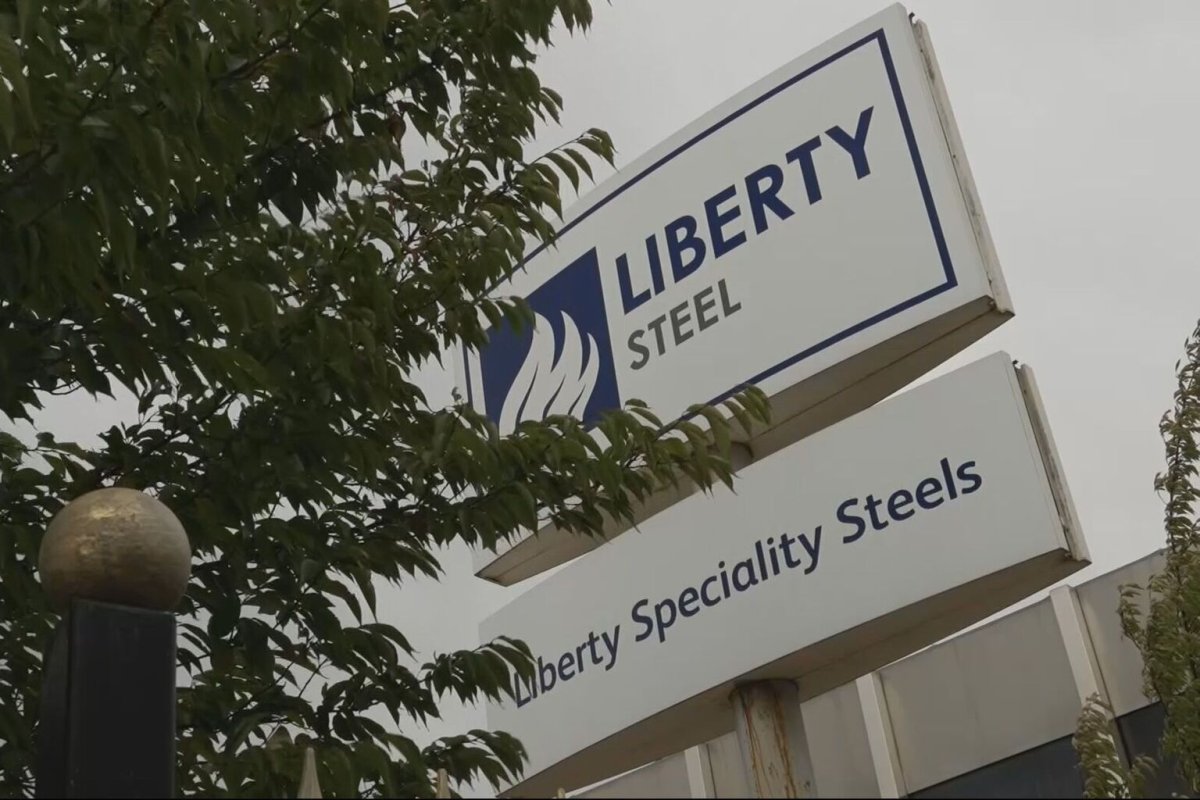
Speciality Steel UK was placed into insolvency in August 2025 after years of financial strain under its former owner, Liberty Steel, exacerbated by the collapse of lender Greensill Capital in 2021. Since then, the government has funded the Official Receiver to maintain site safety and pay staff. In April, the Insolvency Service granted a preferred bidder a five-week exclusivity period, but due diligence later determined that the proposal lacked sufficient stability, certainty, or value for money. The bidder was not named.
Norwegian firm Blastr Green Steel, however, publicly identified itself as the rejected party and disputed the government's assessment. In a statement to The Guardian, Blastr claimed its offer was fully funded, required no taxpayer support, and could have been completed within 12 weeks. This raises a key counterargument to nationalization: a credible private buyer could have transferred restart costs and execution risk away from the public balance sheet. The government has not published enough details to independently compare the two options.
Financial Implications and Missing Numbers
The financial burden of the state takeover is already mounting. The Guardian reported that wages alone are costing the government approximately £3.5 million per month while the plants remain idle, translating to roughly £42 million annually. This figure does not include maintenance, adviser fees, the acquisition payment, or the capital needed to restart production. The annualized estimate is derived from the monthly cost and is not an official government forecast.
The industrial rationale for the acquisition centers on the strategic importance of the assets. The Rotherham facility uses electric-arc-furnace technology and produces high-specification steel for aircraft landing gear, helicopter rotors, defence equipment, and advanced manufacturing. Preserving this capacity could reduce reliance on imported specialist materials. However, it remains unclear whether the sites can generate adequate returns after years of underinvestment and inactivity.
Market and Investor Implications
For listed steel producers and industrial suppliers, the news presents mixed signals. Public ownership could preserve a domestic competitor and potentially restore capacity, or it could create a better-capitalized customer or partner if the sites are rebuilt. The investment case, however, will remain unquantifiable until the government discloses the purchase structure, restart budget, expected production levels, and operating model. These four disclosures, rather than the headline job numbers, will determine whether the state is safeguarding strategic capacity or assuming an open-ended industrial liability.
The decision also highlights broader trends in industrial policy, as governments increasingly intervene to protect critical industries. The steel sector, in particular, has faced global overcapacity, environmental pressures, and volatile demand. The UK's move could set a precedent for other nations considering similar interventions, though the financial risks remain significant.
Investors and analysts will be watching for further details from the DBIST, including a clear timeline and cost-benefit analysis. Until then, the fate of Speciality Steel UK remains a subject of intense speculation and debate.