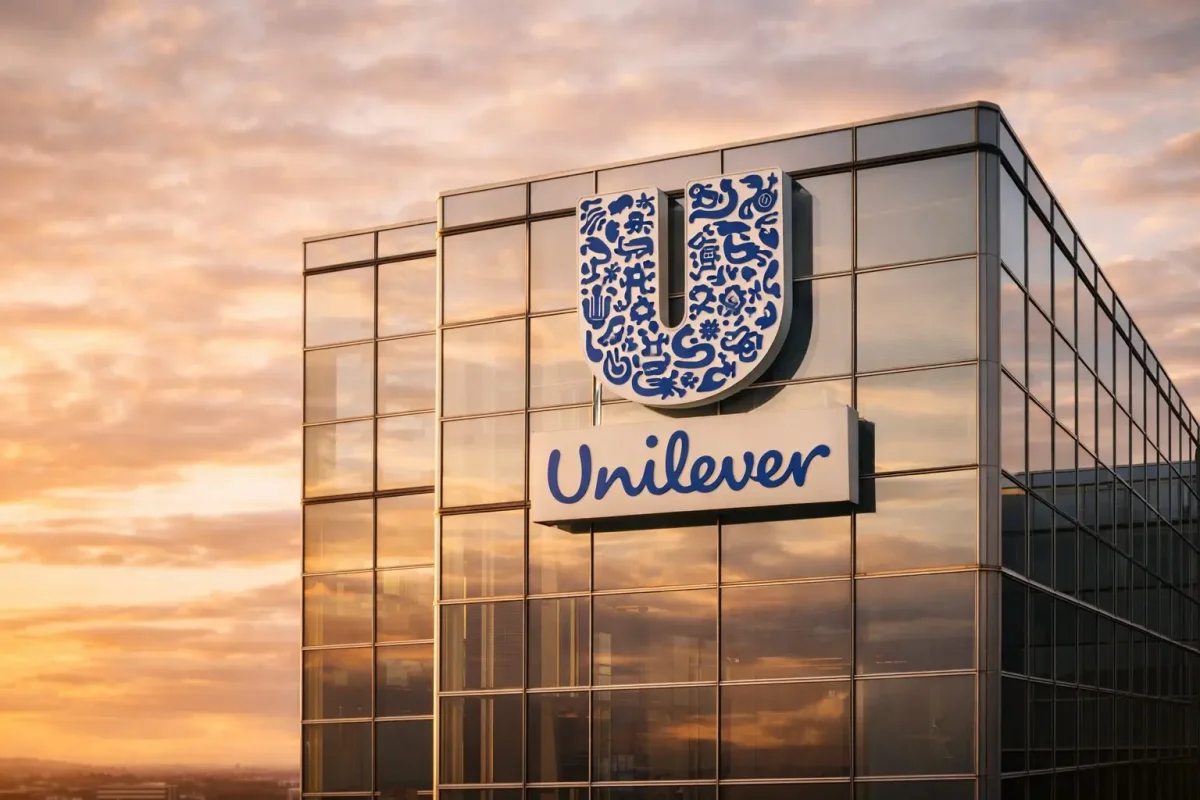
Shares of consumer goods giant Unilever remained largely static on Thursday, trading near 4,840 pence, a marginal decline from Wednesday's close of 4,846 pence. This follows a 1.24% drop in the previous session as investors continue to assess the company's updated strategic direction and financial projections.
Revised Growth Targets and Strategic Refocus
In February, Unilever's management provided guidance indicating that underlying sales growth through 2026 is expected to reach only the lower end of its stated 4% to 6% target range, excluding impacts from currency fluctuations and mergers and acquisitions. This tempered outlook arrives as the company completes a significant corporate overhaul, having finalized the demerger of its ice cream division, which includes the Magnum brand, in December. CEO Fernando Fernandez now leads a more streamlined portfolio concentrated on beauty, wellbeing, and personal care categories, with the aim of driving more consistent performance.
Financial Mechanics and Analyst Sentiment
Alongside its growth forecast, Unilever announced plans to initiate a €1.5 billion share repurchase program in the second quarter of this year. Analyst James Edwardes Jones of RBC Capital Markets acknowledged "signs of progress" in the company's turnaround but emphasized that the reset remains a gradual process. The stock's current price sits approximately 12.56% below its 52-week high of 55.42 pounds, recorded on December 19.
Challenging Operating Environment
The broader market context presents additional headwinds. The UK's FTSE 100 index was down 0.4% in Thursday trading, pressured by oil prices reclaiming ground above $100 per barrel and shifting expectations for interest rate cuts from the Bank of England. Danni Hewson, an analyst at AJ Bell, warned that prolonged market disruption could exacerbate pressures on energy costs, inflation, and monetary policy.
Unilever itself has flagged persistently sluggish demand in more affluent markets. Its fourth-quarter performance highlighted this trend, with North American sales expanding a modest 2.8% and European sales barely inching forward at 0.1%. Chris Beckett of Quilter Cheviot characterized current consumer sentiment as "okay-ish," noting that shoppers are not yet "firing on all cylinders."
Bright Spots and Peer Pressure
Not all data was negative. The company posted a 4.2% sales increase for the fourth quarter, surpassing analyst estimates, fueled largely by robust performance in key emerging markets like India, Indonesia, and China. Chief Financial Officer Srinivas Phatak recently told analysts that the pace and magnitude of changes anticipated for 2025 signify a new chapter for the business.
Unilever is not alone in facing scrutiny. Reuters recently reported that shares of competitor Reckitt Benckiser fell more than 6% after it provided vague margin and profit guidance. Meanwhile, Nestle is reportedly considering scaling back its own ice cream operations, underscoring a sector-wide trend of portfolio adjustments among major consumer staples firms seeking stronger growth trajectories.
Risk Factors and Forward Look
The primary downside risk is clear: sustained high oil prices, rising inflation expectations, and a subsequent pullback in consumer spending across the U.S. and Europe. Central banks, constrained by persistent price pressures, may delay policy easing. In such a scenario, Unilever's share buyback might provide a temporary boost to investor morale but do little to fundamentally accelerate organic growth.
As of Thursday, the stock traded around 4,836.5 pence, virtually unchanged from the prior day. Company executives have pointed to the impending second-quarter buyback as a key near-term milestone for returning value to shareholders while the longer-term growth strategy unfolds.