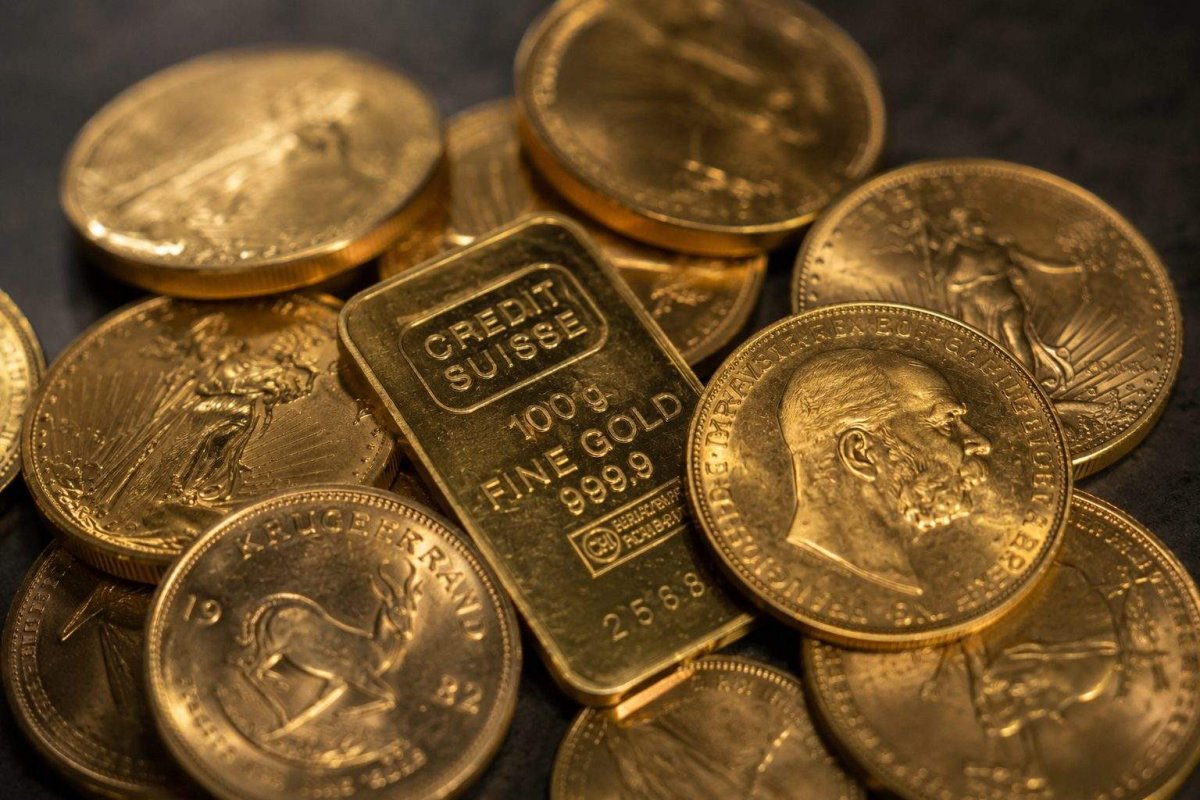
The ongoing discussion surrounding Fort Knox has brought renewed attention to the U.S. gold reserve, which at current market prices is valued at approximately $1.07 trillion. This figure, however, represents only 2.7% of the nation's total federal debt, which stands at roughly $39.59 trillion as of July 20.
The U.S. Treasury officially reports holdings of 261.499 million fine troy ounces, with a book value of $11.041 billion, based on a statutory valuation of $42.2222 per ounce. At Thursday's spot price of $4,087.90 per ounce, the market value exceeds the book value by a factor of nearly 97, creating a gap of $1.058 trillion.
Treasury Secretary Scott Bessent recently confirmed that the gold stored at Fort Knox is "present and accounted for," and estimated the total value of U.S. reserves at over $1 trillion. However, he did not propose any change in the official valuation, which would require congressional approval to amend the statutory cap of $42.22 per ounce on gold certificates.
The $1.058 trillion difference between market and book values is equivalent to approximately 77% of the federal deficit recorded through June, which totaled $1.367 trillion. It is important to note that this amount does not represent actual cash, as the dollar remains a fiat currency not backed by gold.
Fort Knox alone holds 147.34 million ounces of gold, or 56% of the country's total reserves. At current prices, the value of gold stored at that facility is close to $602 billion. Despite the large notional value, more than 97% of federal debt would remain unaffected even if the gold were fully revalued.
Market participants view any potential revaluation as a policy signal rather than a solution to the debt. Gold prices continue to be influenced by interest rates, oil prices, and geopolitical uncertainty. Rate futures on Thursday indicated a 78% probability of a Federal Reserve rate hike in September.
Nikos Tzabouras, senior market analyst at Tradu.com, noted that markets are defending the $4,000 level. "Markets have shown they are not prepared to give up the $4,000 level without a fight," he said. Meanwhile, Peter Cardillo from Spartan Capital Securities holds a bullish view, setting a short-term target of $4,375.
August gold futures declined 1.5% to $4,091.20 on Thursday, while spot gold slipped 1% to $4,087.90. Despite the daily drop, futures remain 1.8% higher than the previous Friday's close, following a 1.9% gain on Wednesday that pushed prices to a two-week high.
The Federal Reserve is scheduled to meet on July 28-29. Analysts warn that rising oil prices and expectations of tighter monetary policy could pressure gold, potentially driving it toward $3,900. Conversely, an escalation in Middle East tensions could boost demand for safe-haven assets.