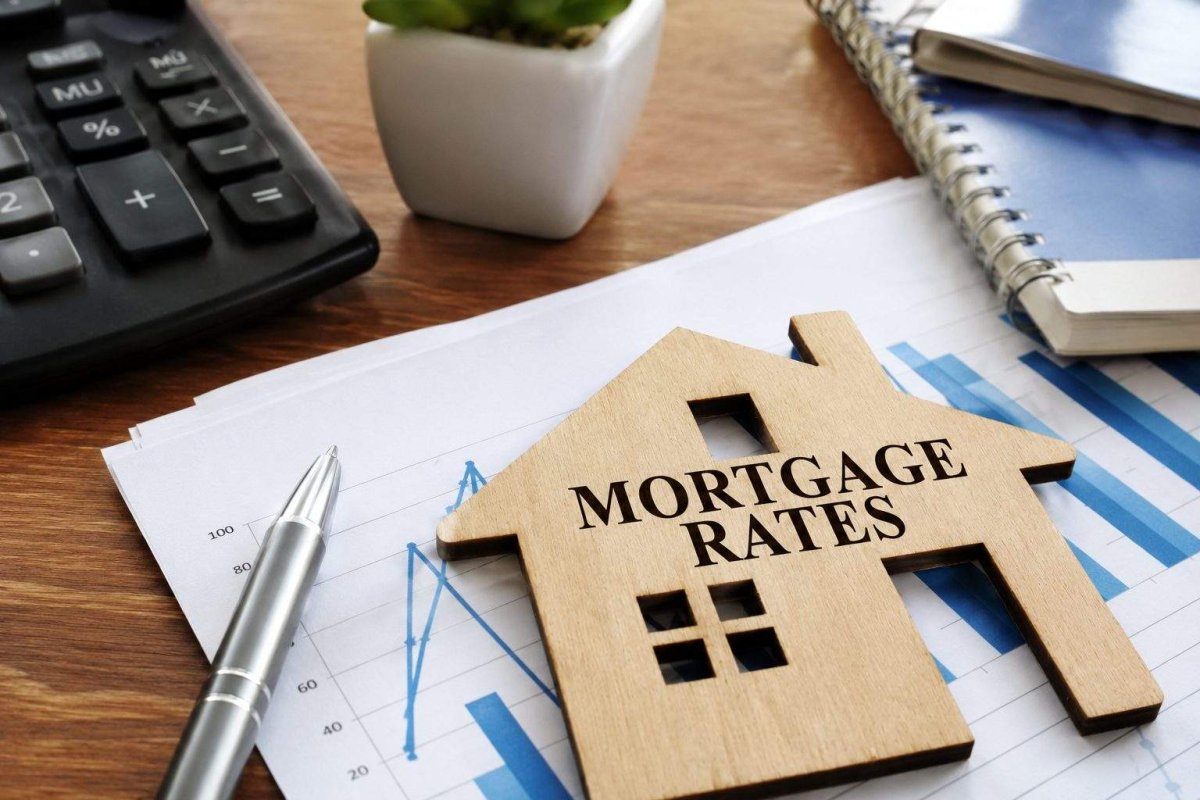
The spring housing market is facing renewed headwinds as mortgage rates in the United States surged to their highest level in nine months, according to data released Wednesday by the Mortgage Bankers Association (MBA). The average 30-year fixed contract rate rose 9 basis points to 6.65% for the week ending May 22, marking the steepest rate since August 2025.
This upward move in borrowing costs has prompted a swift retreat from the mortgage market, with total applications falling 8.5% from the previous week. The refinance index suffered an even sharper decline of 18% week over week, as homeowners lost incentive to restructure their existing loans. Purchase applications edged only 0.4% lower but remained 5% higher than the same period last year.
Inflation and Bond Market Pressures
The recent rate climb is being driven by persistent inflation and rising bond yields. Consumer prices rose 3.8% in April compared to a year earlier, well above the 2.9% pace recorded in August 2025. The 10-year Treasury yield has moved higher, and mortgage rates—which track yields on mortgage-backed securities more closely than the Federal Reserve's short-term rate—have followed suit.
“Higher inflation equals higher bond yields,” said Brian Shahwan, vice president and mortgage banker at William Raveis Mortgage, in an interview with CBS News. The data underscores that the housing market's challenges are now intertwined with broader macroeconomic forces.
Refinancing Demand Dries Up
MBA Vice President and Deputy Chief Economist Joel Kan noted that the 30-year fixed rate has increased 30 basis points over the past five weeks. “Many borrowers understandably backed away from refinancing last week,” Kan told HousingWire. The decline in refinancing activity is a significant blow to major lenders such as Rocket Mortgage, United Wholesale Mortgage, and CrossCountry Mortgage, which led origination volumes in 2025. With fewer refinancings, these firms are now more exposed to the purchase market, where affordability is increasingly strained.
Homeowners Locked In
The rate lock-in effect continues to suppress housing supply. Nearly 69% of homeowners held mortgages with rates at or below 5% as of the third quarter of 2025, according to a Realtor.com analysis of FHFA data. This has discouraged many from selling, exacerbating the shortage of existing homes for sale. Nancy Vanden Houten, U.S. lead economist at Oxford Economics, noted that turnover for owner-occupied homes averaged just 4.7% over the last four quarters, a level lower than during the global financial crisis.
Freddie Mac's separate survey confirmed the trend, reporting the 30-year fixed rate at 6.51% as of May 21, up from 6.36% the prior week. The 15-year fixed rate stood at 5.85%. Freddie Mac Chief Economist Sam Khater advised borrowers to “shop around” and obtain multiple quotes to potentially save money.
Outlook and Risks
If bond yields continue to decline amid progress on geopolitical fronts such as the Strait of Hormuz, mortgage rates could ease. However, the risk remains that if inflation persists or tensions escalate, 30-year rates could approach 7%, according to Jeff Taylor of Mphasis Digital Risk. Lenders and buyers are already adapting to a tighter market, with the average purchase loan size hitting a record $473,600, as smaller borrowers are the first to pull back when rates rise.