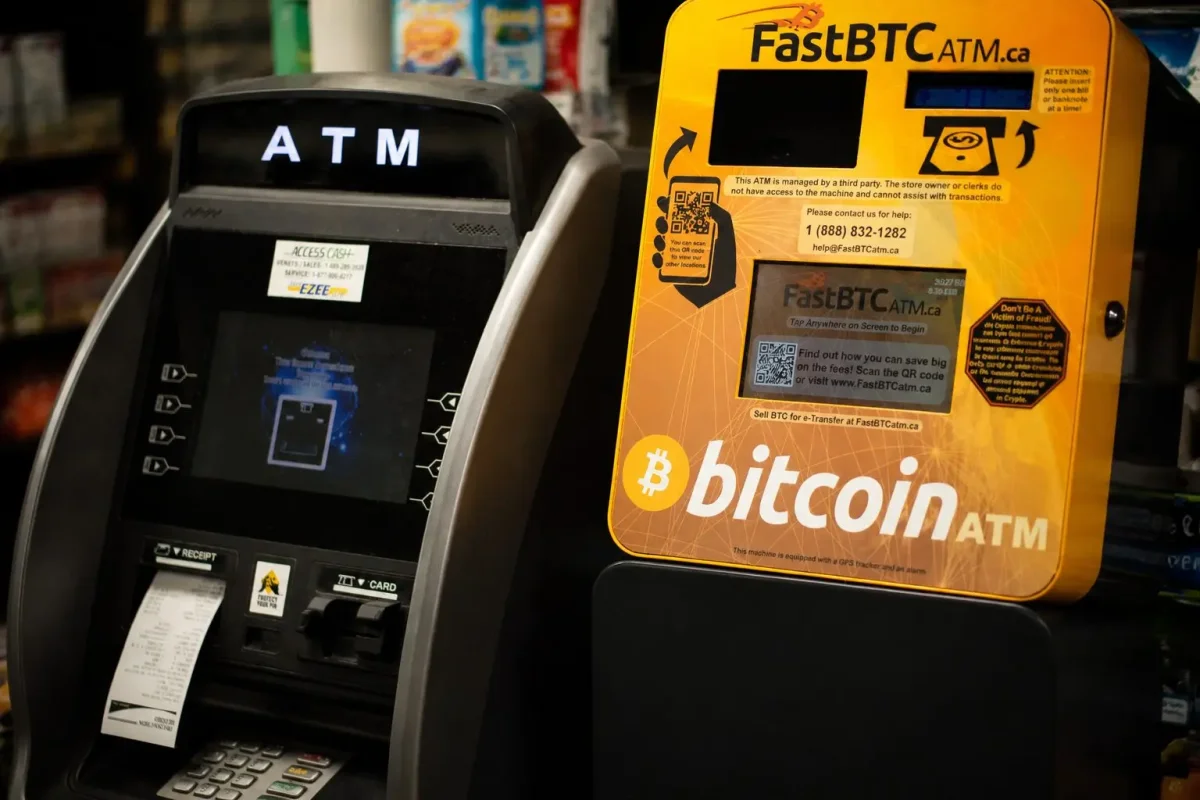
Lawmakers in Delaware, North Carolina, and the U.S. Congress are moving rapidly to address growing concerns over cryptocurrency ATM fraud. New data from the FBI's Internet Crime Complaint Center reveals that in 2025, more than 13,400 complaints involving crypto kiosks were filed, with total losses exceeding $388 million. The figures have prompted a wave of legislative action at both the state and federal levels.
Delaware Pushes for Ban
Delaware's House Bill 441, introduced by Representative Cyndie Romer, aims to ban the installation, ownership, or operation of cryptocurrency kiosks statewide. If passed, the bill would require all existing machines to be removed within 90 days. Violators could face civil penalties of up to $10,000, injunctive relief, and private lawsuits for damages. The bill also prohibits cashier-assisted or point-of-sale workarounds. Supporters argue the measure is a consumer protection move, not an attack on digital assets. Romer described the kiosks as "a predatory cash grab" that exploit individuals using digital currency. Delaware Attorney General Kathy Jennings noted that victims are often convinced to send large sums through these machines and later cannot recover their funds. The bill is currently under review in the Senate Banking, Business, Insurance & Technology Committee.
North Carolina Takes Regulatory Route
North Carolina is pursuing a different approach with House Bill 920, the Virtual Currency Kiosk Consumer Protection Act. The bill passed the House unanimously (115-0) and has been sent to the Senate Rules and Operations Committee. It would require kiosk operators to obtain licenses as money transmitters and place them under the oversight of the state Commissioner of Banks. Key provisions include mandatory fraud warnings, detailed receipts, fee and exchange-rate disclosures, live customer support, and daily transaction limits. An amended version caps fees at 14% and sets higher transaction limits than initially proposed. Republican Representative Neal Jackson called the current market "the wild, wild West," while Democrat Representative Tim Longest argued that protections still fall short for seniors and vulnerable customers.
Federal Bipartisan Bill Targets Scams
On June 11, Representatives Sean Casten (D-Ill.) and María Elvira Salazar (R-Fla.) introduced the Stop Crypto ATM Scams Act at the federal level. The legislation would require crypto ATM operators to maintain written anti-money-laundering plans, verify customer identities, flag suspicious transactions, post scam warnings and disclosures, keep records, provide live customer support, and maintain law enforcement contacts. It also imposes deposit caps: $2,000 per day and $10,000 total for new users within the first 14 days, and $7,500 per day for existing users. The bill sets federal standards but explicitly allows states to impose stricter rules or ban the machines outright. "Crypto ATMs offer criminals a quick and easy way to prey on seniors," Casten said. Salazar added that seniors "should not have to worry about criminals using new technologies" to steal from them.
State-Level Scam Data Highlights Urgency
The FBI data underscores the scope of the problem. In 2025, North Carolina alone recorded 491 complaints with over $12.6 million in losses tied to cryptocurrency kiosks. Other states with multimillion-dollar totals include Florida, Illinois, New Jersey, and Arizona. The FBI noted that the figures include any complaint where a crypto kiosk was used in a scam and may also cover other transactions, warning that total losses reported cannot be attributed solely to kiosks. The rapid legislative response reflects growing bipartisan concern over the role of these machines in defrauding vulnerable populations, particularly older Americans.