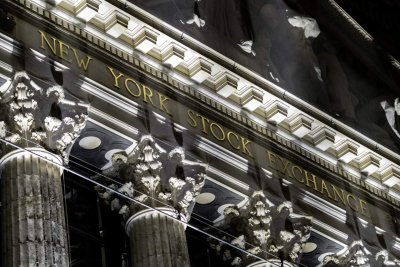
Visa Inc. (NYSE: V) closed Friday's trading session higher, extending its recent rally as investors parsed fresh inflation signals and looked ahead to a critical week of economic data. The payments network's stock gained 1.09%, finishing at $320.14. This advance represents the fourth straight day of positive performance for the financial services giant, allowing it to buck a broader market trend of cautious sentiment.
Market Context and Sector Performance
Friday's session saw U.S. equities edge lower overall, with concerns over stretched valuations and the disruptive potential of artificial intelligence weighing on investor sentiment. Notably, even strong quarterly results from semiconductor leader Nvidia failed to provide sustained support for the chip sector. "Now it's time for a breather," remarked Talley Leger, chief market strategist at The Wealth Consulting Group, referencing the recent surge in semiconductor stocks.
Within the financial sector, performance was mixed. Visa's primary competitor, Mastercard (MA), also managed to post gains. However, several major banking institutions saw their shares slip, according to market data. This divergence highlights a selective appetite among investors, with payment processors viewed as relatively insulated from certain credit risks that can weigh on traditional banks.
Inflation Data Fuels Fed Speculation
The key economic catalyst on Friday was the release of the U.S. Producer Price Index (PPI) for January. The report showed a 0.5% monthly increase, with core prices rising at their fastest pace since mid-2020. This hotter-than-expected data immediately fueled discussions about the Federal Reserve's policy path, suggesting the central bank may maintain a higher-for-longer stance on interest rates.
Economists were quick to highlight the implications. "We expect the Fed to remain on pause in March," said Ben Ayers of Nationwide. Paul Ashworth of Capital Economics pointed out that the data illustrated ongoing effects from tariffs. This inflation print has directly influenced market expectations for the timing of the first Fed rate cut, pushing bets further out on the calendar.
What Visa Investors Are Monitoring
For holders of Visa stock, the investment thesis currently hinges on two primary factors: interest rates and consumer spending. A prolonged period of elevated benchmark rates can pressure equity valuation multiples across the board, including for steady earners like Visa. More directly, any material decline in consumer card spending would manifest in the company's key metrics—payment volumes and cross-border activity. Cross-border spending, which typically correlates with international travel, is a particularly sensitive and high-margin segment for the company.
The setup presents a two-sided risk as markets head into a new week. Should upcoming economic reports—specifically on employment and consumer prices—come in softer than anticipated, expectations for imminent Fed rate cuts could quickly harden. In such a scenario, the positive momentum behind Visa's Friday outperformance could fade if investors broadly rotate back into riskier assets, leaving defensive plays behind.
The Crucial Week Ahead: Data and the Fed
The economic calendar for the week beginning March 6 is densely packed with events that could sway markets:
- March 6, 8:30 a.m. ET: The U.S. Bureau of Labor Statistics releases the February jobs report (non-farm payrolls and unemployment rate).
- March 11, 8:30 a.m. ET: The February Consumer Price Index (CPI) report is published, offering a direct read on consumer inflation.
- March 13, 8:30 a.m. ET: The Personal Income and Outlays report arrives from the Bureau of Economic Analysis. This includes the Fed's preferred inflation gauge, the Personal Consumption Expenditures (PCE) price index.
Ultimately, trader focus is set on the Federal Reserve's next policy meeting scheduled for March 17-18. Market participants will scrutinize the central bank's statement and economic projections for any changes in guidance regarding the future path of interest rates. The interplay between this week's hard data and the Fed's subsequent communication will be pivotal in determining whether Visa's recent strength is sustainable or if the stock will succumb to broader macroeconomic crosscurrents.