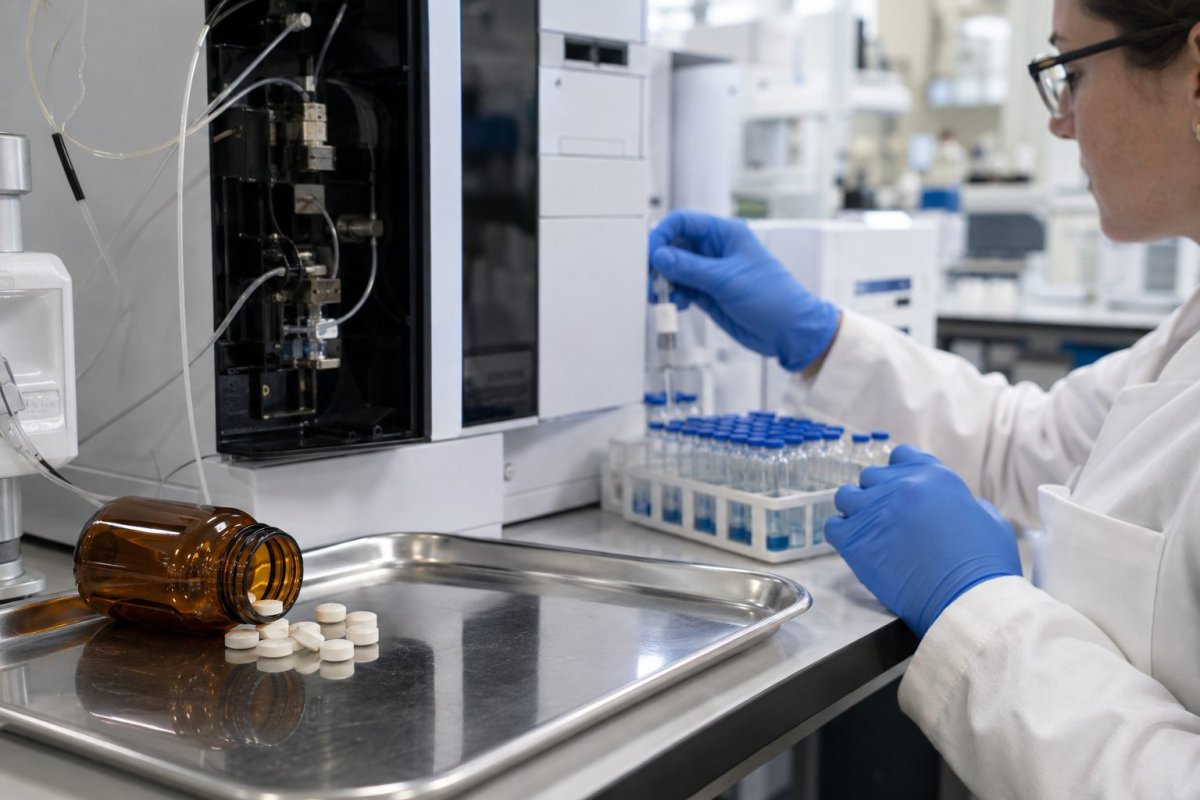
Vitruvias Therapeutics has initiated a voluntary recall of a single lot of its Thyroid Tablets, USP 30 mg, following test results that indicated the product may be superpotent. The recall, announced via the U.S. Food and Drug Administration (FDA) on August 24, affects 3,655 distributed units, of which approximately 53.5%—or 1,955 units—have already been sold to consumers. The remaining 1,700 units are still in the distribution chain.
The affected lot, identified by NDC 69680-166-00, carries an expiration date of September 30, 2026. Distribution of this lot ceased nearly 11 months prior to the recall notice, underscoring the challenges of product traceability in the pharmaceutical supply chain. The company is now working with wholesalers and distributors to locate and retrieve the remaining product, while coordinating destruction of the recalled units.
Regulatory Context and FDA Oversight
This recall comes at a time when the FDA is intensifying its scrutiny of unapproved animal-derived thyroid medications. According to the agency, these products, which are made from porcine thyroid gland extracts, lack formal approval and may deliver inconsistent hormone doses. The FDA has adopted a risk-based enforcement approach as manufacturers seek official approval.
In 2024, approximately 1.5 million patients were prescribed animal-derived thyroid medications, compared with 22 million who received synthetic levothyroxine. While the animal-derived segment is smaller, its size remains significant enough that potency regulation and supply stability are key investment considerations for the sector.
Clinical Implications and Patient Safety
The recalled tablets contain levothyroxine and liothyronine, hormones that regulate metabolism. Superpotency—where the actual hormone content exceeds the labeled amount—can lead to serious side effects, including hypertension, chest pain, rapid or irregular heartbeat, and other cardiovascular complications. Risks are particularly elevated for elderly patients, pregnant women, and infants.
According to FDA pharmacology director Mehul Mehta, drugs with a narrow therapeutic index require precise dosing, as even slight variations can result in either suboptimal efficacy or dangerous toxicity. Synthetic levothyroxine is classified by the FDA as such a drug, and the same concerns apply to animal-derived versions.
Patients currently taking the recalled product are advised not to discontinue treatment without consulting a healthcare professional. The company has stated that no adverse events related to the recall have been reported as of August 21, 2026.
Historical Precedent and Industry Impact
This is not the first recall of its kind. In 2020, Acella Pharmaceuticals withdrew 13 lots of NP Thyroid after tests revealed liothyronine levels as high as 115% of the labeled amount. At that time, two adverse event reports had been filed. The recurrence of such issues highlights the ongoing challenges in ensuring the consistency of animal-derived thyroid products.
The financial impact of the current recall is likely to be contained, as only one lot is affected and no adverse events have been reported. However, the incident serves as a reminder of the operational risks faced by manufacturers in this niche market. Drug makers may incur costs related to testing, product destruction, supply replacement, and corrective measures. Distributors, meanwhile, must handle expenses tied to record-matching and customer outreach.
Market Outlook and Investor Considerations
For investors, the key question is whether Vitruvias can execute the recall efficiently without further distribution issues or reported harm. The FDA evaluates recall effectiveness based on how well customers are notified and how thoroughly products are withdrawn. A successful recall could mitigate reputational damage, while a broader recall or adverse events could amplify financial consequences.
The FDA has not yet assigned a recall classification, nor has it indicated a systemic manufacturing problem. As such, the immediate financial exposure appears limited. Nonetheless, the episode underscores the importance of robust quality control and traceability systems in the pharmaceutical industry, particularly for products with narrow therapeutic indices.
Looking ahead, regulatory pressure on unapproved animal-derived thyroid medications is unlikely to ease. Companies in this space may face increased development costs as they pursue FDA approval, which could reshape the competitive landscape. For now, the recall remains an isolated incident, but its implications for patient safety and industry practices will be closely monitored.