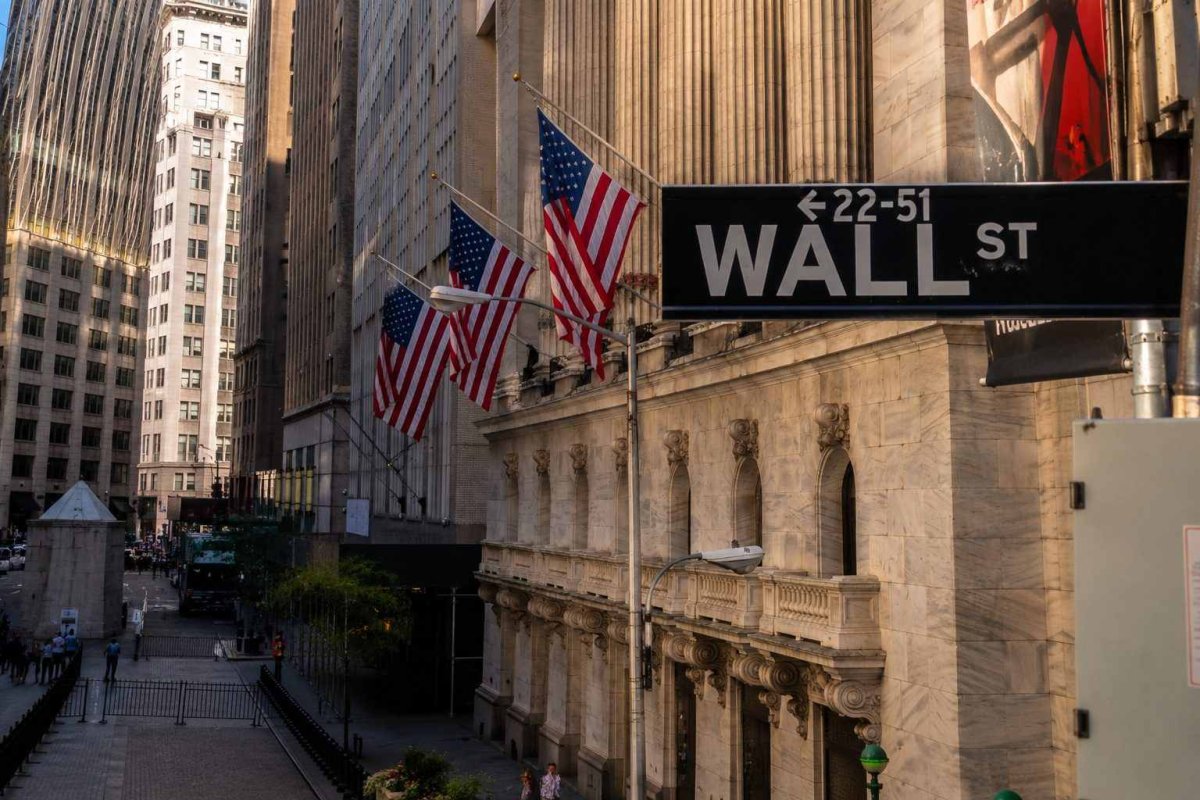
U.S. equities retreated from recent highs on Friday, as a sharp rise in crude oil prices reignited inflation concerns and triggered a broad-based selloff in technology and AI-related stocks. The Dow Jones Industrial Average sank 406.40 points, or 0.81%, to close at 49,657.06. The S&P 500 fell 50.23 points, or 0.67%, to 7,451.01, while the Nasdaq Composite dropped 195.89 points, or 0.73%, ending the session at 26,439.34.
The pullback came as oil prices reversed earlier losses and surged higher. Brent crude settled at $109.26 per barrel, up 3.35%, while West Texas Intermediate crude gained 4.2% to finish at $105.42. The rally followed comments from U.S. and Iranian officials that dampened hopes for a quick resolution affecting the Strait of Hormuz, a critical chokepoint for about 20% of global oil and LNG shipments. Higher crude prices typically stoke inflation fears, weighing on equity valuations.
Bond yields also added pressure. The 10-year Treasury yield climbed to approximately 4.58%, reflecting increased bets on a more hawkish Federal Reserve stance. Rising yields often dampen demand for growth stocks, particularly those relying on distant future earnings. Energy was the only sector in the green, gaining 1.6%, while materials and utilities suffered the steepest declines.
Semiconductor stocks were among the hardest hit. The Philadelphia Semiconductor Index dropped 2.3%, with Nvidia (NVDA) falling 2%, Advanced Micro Devices (AMD) losing 3.1%, and Intel (INTC) plunging 5.1%. The selloff marked a reversal from recent gains that had propelled the Nasdaq higher. In contrast, Microsoft (MSFT) rose 4.4% after Bill Ackman's Pershing Square disclosed a stake. Dexcom (DXCM) jumped 6.7% following news that it would add two independent directors and revamp a board committee, moves linked to activist investor Elliott Investment Management.
Market expectations for Fed policy have shifted notably. According to CME Group's FedWatch tool, the probability of a 25-basis-point rate hike by December rose to nearly 40%, up sharply from 13.6% a week earlier. This change comes as Jerome Powell steps down as Fed chair, with Kevin Warsh set to take over. On Thursday, New York Fed President John Williams stated there was "no reason at all to raise rates right now or lower rates right now," but emphasized the need for vigilance on inflation.
Prediction markets reflected the uncertainty, though they are not forecasts. On Kalshi, the December Fed decision market assigned a 54% probability to rates being "above 3.50%." On Polymarket, traders saw a 34% chance of a U.S.-Iran permanent peace deal by June 30, rising to 67% by year-end. The probability of normal traffic resuming through the Strait of Hormuz by the end of 2026 stood at 79%. However, Reuters noted that suspicious trading activity on these platforms has increased, suggesting the odds may reflect short-term sentiment rather than reliable macroeconomic signals.
Looking ahead, Nvidia's earnings report on Wednesday will be a key focus, along with results from Walmart, Home Depot, Target, and TJX, which will provide further insight into consumer spending. "Almost parallel tracks," said Allen Bond of Jensen Investment Management, describing the dual influence of AI momentum and the energy shock. Patrick Ryan of Madison Investments expressed concern about the narrowness of the rally, noting that a market driven by only a handful of stocks is "not necessarily a healthy market."
The risks are two-sided. If the Strait of Hormuz reopens or the U.S. and Iran move closer to a deal, crude prices could fall, easing pressure on yields. However, prolonged disruption could push gasoline and business costs higher, forcing companies to protect margins while pushing Fed rate cut expectations further out. Vandana Hari of Vanda Insights called renewed military escalation a "tail risk."
The breadth of Friday's selloff was notable. On the New York Stock Exchange, decliners outpaced advancers by nearly 4-to-1, while on the Nasdaq the ratio was about 3-to-1. This was not merely a setback in a few overbought AI stocks—selling was widespread. Equities remain near recent highs to end the week, but the close was shaped by oil, yields, and geopolitical developments.