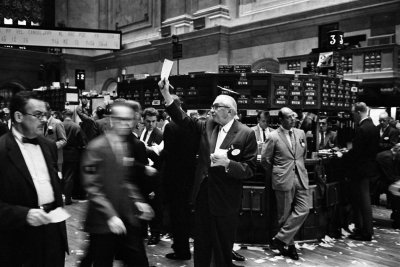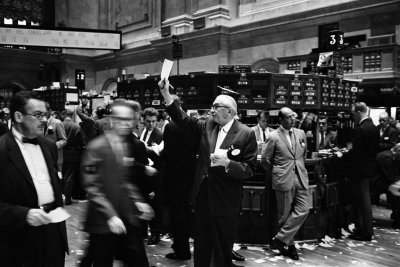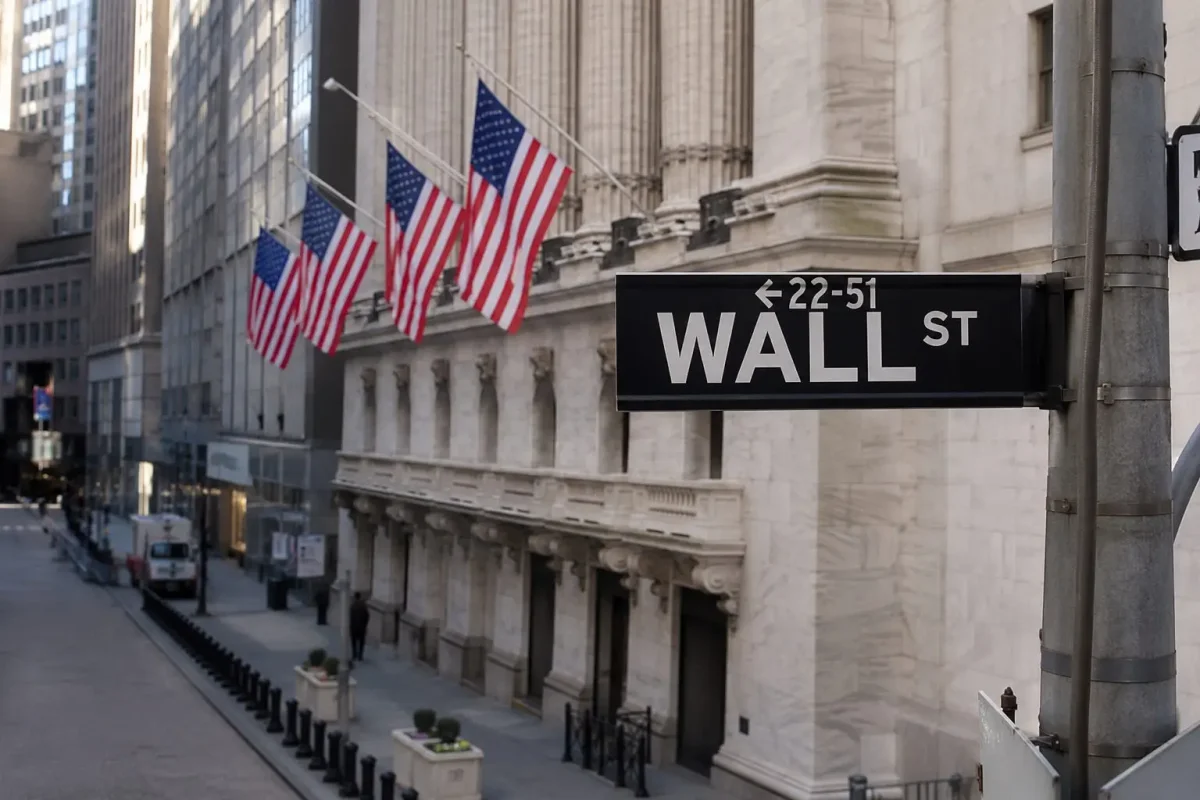
U.S. equities pulled back from their recent record peaks on Wednesday, as a resurgence of military hostilities between the United States and Iran sent crude oil prices climbing and revived anxieties over persistent inflation. The Dow Jones Industrial Average tumbled 581.84 points, or 1.13%, to close at 50,725.95. The broader S&P 500 declined 54.11 points, or 0.74%, finishing at 7,555.67, while the technology-heavy Nasdaq Composite shed 230.97 points, or 0.85%, to end the session at 26,862.93.
Markets had initially edged higher earlier in the session, buoyed by robust corporate earnings and continued enthusiasm around artificial intelligence—a broad category encompassing software and chip tools designed to automate tasks. However, the mood soured as traders refocused on the dual headwinds of rising energy costs and elevated bond yields. The benchmark 10-year Treasury yield climbed to approximately 4.49%, adding pressure on growth-oriented shares.
In the commodities space, Brent crude futures settled $1.81 higher at $97.81 per barrel, while U.S. West Texas Intermediate rose $2.26 to end at $96.02. The price surge followed renewed fighting between U.S. and Iranian forces and a lack of progress in diplomatic talks between Tehran and Washington. Bob Yawger, director of energy futures at Mizuho, noted that the likelihood of a ceasefire appears to be "moving in the wrong direction." Emril Jamil, senior oil analyst at LSEG, added that stalled negotiations combined with inventory warnings are injecting a risk premium into prices.
Despite the broad selloff, the decline was not a wholesale panic. The major indexes were dragged lower primarily by financial and technology stocks, though semiconductor names bucked the trend. Chipmakers such as Marvell Technology, Intel, and Qualcomm attracted buyers, keeping the AI trade alive even as the broader market faltered. Ross Mayfield, investment strategy analyst at Baird, described AI-linked equities as operating in a "separate world," largely insulated from macroeconomic or geopolitical risks compared to other sectors.
Economic data released Wednesday provided fodder for both bulls and bears. The Institute for Supply Management's services PMI rose to 54.5 in May, up from 53.6 in April and above consensus forecasts, signaling continued expansion. However, the prices-paid component of the survey surged to 71.3, its highest level since August 2022, underscoring persistent cost pressures. Meanwhile, ADP reported that private employers added 122,000 jobs in May. Priscilla Thiagamoorthy, senior economist at BMO Capital Markets, suggested that such a mixed picture likely keeps Federal Reserve officials in "wait-and-see mode." Samuel Tombs at Pantheon Macroeconomics characterized signs of renewed labor market momentum as "remains unconvincing."
New York Fed President John Williams sought to calm rate-related anxieties, telling Yahoo Finance that current monetary policy is "exactly in the right place" and that there is no reason to adjust rates in either direction at this juncture. The central bank is not expected to implement a rate hike at its June 16-17 meeting, with markets anticipating the target range will remain at 3.50%-3.75%.
Nevertheless, traders have recalibrated their expectations. According to Reuters, markets now price in over a 40% probability of a Fed rate hike by December, a dramatic leap from just 9.1% a month ago. Bill Northey, senior investment director at U.S. Bank Wealth Management, noted that the market is caught between solid U.S. fundamentals and concerns that the Middle East conflict could persist long enough to drive up inflation expectations.
In corporate news, GameStop rallied after reporting better-than-expected quarterly revenue and announcing a $2 billion share buyback plan. Traders also awaited Broadcom's earnings, due after the close, as another bellwether for the AI infrastructure narrative. Single-stock trading activity indicated that the market remains responsive to company-specific developments.
The outlook is fraught with risks on both sides. A credible ceasefire or the reopening of the Strait of Hormuz could cause oil prices to drop and stocks to rebound. Conversely, prolonged disruption could push inflation higher, squeeze corporate margins, and delay any hopes of Fed easing. Options traders flagged that investors have not purchased sufficient protection against a downturn. Brent Kochuba of SpotGamma warned that the market was primed for "volatility spasms," while Maxwell Grinacoff at UBS described conditions as "significantly more fragile."
Bulls are not entirely out of the game, but the after-hours tone has shifted. The hurdles have clearly grown taller. AI continues to drive certain segments of the market, but oil prices, rising yields, and the Fed's next moves have once again taken center stage.