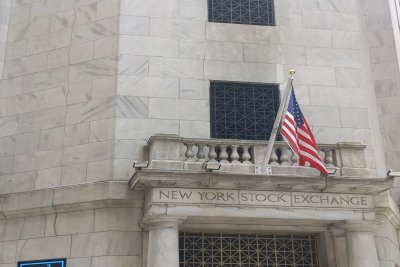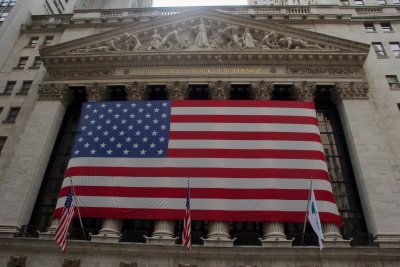
U.S. equity markets surged to unprecedented levels on Wednesday, with major benchmarks erasing losses from a sharp selloff earlier in the year. Investor sentiment was bolstered by a combination of stellar financial sector results and cautious optimism surrounding diplomatic efforts in the Middle East.
Record-Setting Session
The S&P 500 index concluded trading at a historic 7,022.95, while the technology-heavy Nasdaq Composite settled at 24,016.02. This performance marks a complete recovery from the downturn experienced in March, which was triggered by geopolitical conflict on February 28. The Dow Jones Industrial Average was the sole laggard among major averages, dipping 72 points on the session.
Banking Sector Fuels the Advance
Powerful earnings from the nation's largest financial institutions provided a significant tailwind for equities. Bank of America reported first-quarter net income of $8.6 billion, a 17% increase year-over-year, with sales and trading revenue climbing 13% to $6.4 billion. Morgan Stanley delivered record quarterly revenue of $20.6 billion, with earnings per share of $3.43.
Industry executives expressed confidence in the economic backdrop. Bank of America CEO Brian Moynihan cited a "resilient American economy," while Morgan Stanley's Ted Pick characterized the period as a "record quarter" driven by active client engagement and a resurgence in corporate dealmaking.
The positive momentum extended beyond these two firms. JPMorgan Chase and Citigroup also posted better-than-anticipated results earlier in the week. According to data from Dealogic, first-quarter investment banking revenue industry-wide rose 14% to $28.2 billion, while global merger and acquisition revenue jumped 19% to a record $11.3 billion.
Geopolitical Developments Support Sentiment
Market participants also responded to developments in U.S.-Iran negotiations, which raised hopes for a potential easing of oil supply concerns. White House officials described the ongoing talks as "productive," with another round potentially scheduled in Pakistan. A critical development under discussion involves Iran allowing commercial vessels to transit via the Omani side of the Strait of Hormuz, a vital chokepoint for approximately 20% of the world's seaborne oil and liquefied natural gas.
Despite an April 8 ceasefire, shipping traffic through the strait remains significantly below normal levels. The diplomatic efforts have fostered a market view that the most severe economic consequences of the ongoing conflict might be avoided, even as hostilities persist.
Analyst Perspectives and Lingering Caution
Financial advisors interpreted the March pullback as a buying opportunity rather than a fundamental warning. Gabriel Shahin of Falcon Wealth Planning labeled the dip a "sale," while Jeff Schulze of ClearBridge Investments pointed to the solid start of earnings season and optimism over a potential agreement that could lower energy costs as key drivers of the rebound.
However, several cautionary signals persist. Brent crude oil finished the session at $94.93 per barrel, with U.S. crude at $91.29, prices that remain elevated compared to pre-conflict levels. The benchmark 10-year U.S. Treasury yield rose to 4.282% as traders monitored persistent inflation threats. The U.S. dollar declined for an eighth consecutive session.
International institutions warned of ongoing economic strain. International Monetary Fund Managing Director Kristalina Georgieva stated that over a dozen countries may soon require new loans to buffer the energy price shock. Finance ministers from the United Kingdom, Japan, Australia, and several European nations cautioned that even a lasting diplomatic agreement would not fully insulate global growth, inflation, or financial markets from further pressure.
Market Internals and Policy Actions
Market volatility subsided noticeably, with the CBOE Volatility Index closing near its lowest level since February 26. Analysts, according to LSEG data, now project first-quarter earnings for the S&P 500 companies to reach $605.1 billion, up from an estimate of $598.7 billion at the start of the quarter.
Despite the market's forward-looking optimism, policy actions continued. The U.S. Treasury Department announced new sanctions targeting more than two dozen individuals, firms, and vessels linked to Iranian oil shipments, underscoring the complex and unresolved nature of the geopolitical situation. Federal Reserve Bank of St. Louis President Alberto Musalem warned that the oil price shock could keep core inflation, which excludes food and energy, around 3% for the year, potentially necessitating a longer period of elevated interest rates.