U.S. equities closed sharply higher on Monday, with the Dow Jones Industrial Average reaching an all-time high, as a steep drop in oil prices eased concerns about inflation. The S&P 500 advanced 1.48% to 7,600.50, finishing just 0.1% below its record close, while the tech-heavy Nasdaq Composite climbed 2.13% to 25,913.90.
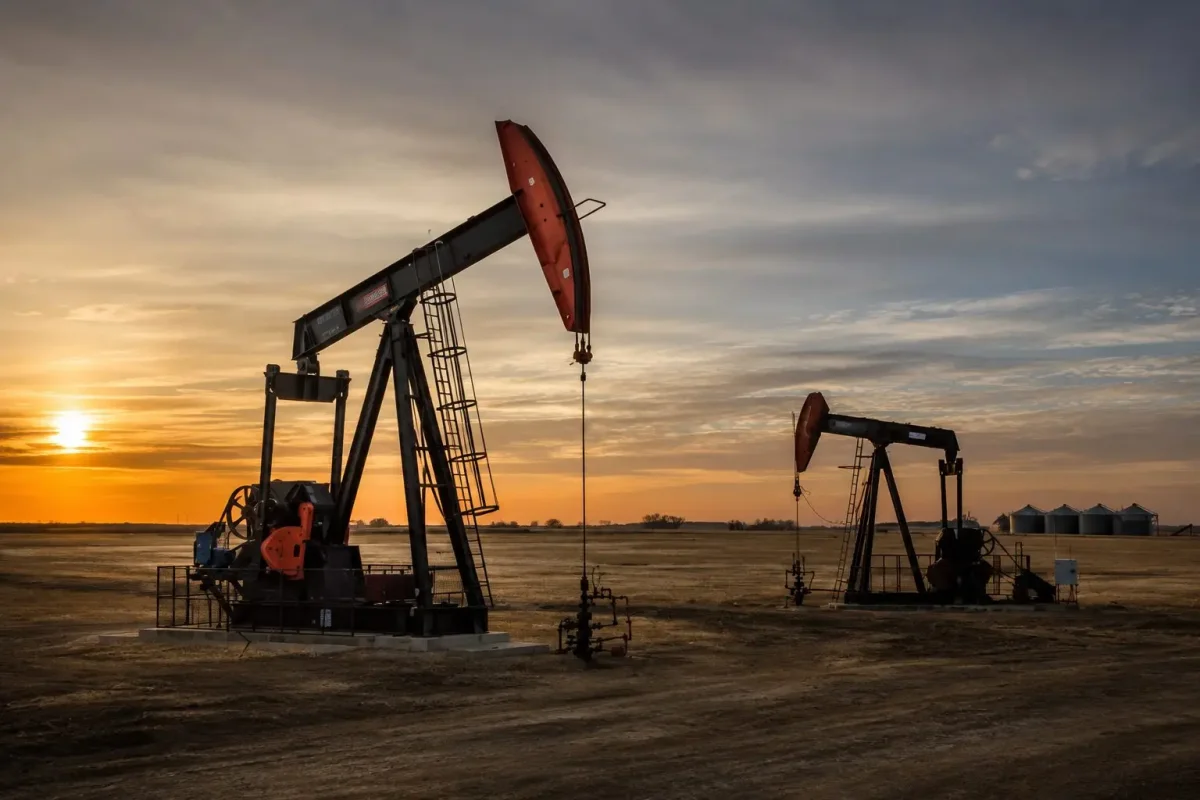
The rally was driven by a significant decline in crude prices. Brent crude, the global benchmark, fell 4.7% to $83.77 per barrel for October delivery, while West Texas Intermediate (WTI) dropped 5.1% to $80.34. The slide in oil helped alleviate fears that rising energy costs would keep inflation elevated. The yield on the 10-year Treasury note also slipped 6.1 basis points to 4.684%, providing further support for equities.
Megacap technology stocks were the standout performers, with Nvidia (NASDAQ:NVDA), Microsoft (NASDAQ:MSFT), Amazon (NASDAQ:AMZN), and Meta Platforms (NASDAQ:META) collectively adding roughly $537 billion in market capitalization. Microsoft led the charge with a 4.94% gain, adding $171 billion, while Nvidia rose 2.94% and gained $144 billion. Amazon advanced 4.61% to add $136 billion, and Meta surged 6.01% to gain $86 billion. In contrast, Apple (NASDAQ:AAPL) fell 1.78%, shedding $81 billion, as investors favored companies with strong cloud and AI growth over the iPhone maker.
The divergence between the megacap winners and Apple highlights a clear shift in investor preference toward companies with robust growth prospects in artificial intelligence and cloud computing. Amazon also reached a $3 trillion market capitalization for the first time, underscoring the strength of the tech sector.
Market breadth was positive, with advancers outpacing decliners by a 2.62-to-1 ratio on the NYSE and 3.01-to-1 on the Nasdaq. U.S. exchange volume was 19.36 billion shares, 9.6% above the 20-day average. Sector rotation was notable, with communication services jumping 4.3% while energy tumbled 1.2%, marking the widest sector performance gap in months.
Fuel-intensive companies benefited from lower oil prices. United Airlines (NASDAQ:UAL) climbed 5.8%, American Airlines (NASDAQ:AAL) rose 5.0%, and Norwegian Cruise Line (NYSE:NCLH) gained 6.6%. The positive earnings season also contributed to the upbeat mood, with 85.2% of the 304 S&P 500 companies that have reported so far beating analyst expectations, and profits up 29.3% year-over-year.
Despite the optimism, inflation remains a challenge. The ISM manufacturing index rose to 55.6, above the expected 54.0, and its prices-paid component stayed elevated at 71.1. Investors are now looking ahead to key labor market data, including the JOLTS report on Tuesday, preliminary productivity figures on Thursday, and the July jobs report on Friday, which could influence the Federal Reserve's next policy move.
According to CME FedWatch, traders see a 64.5% probability of a rate hike in September. New York Fed President John Williams said he expects inflation to ease but noted that officials may raise rates further if price pressures persist. Meanwhile, geopolitical risks remain, as Iran has indicated no talks are ongoing, and traffic through the Strait of Hormuz has eased, though a sharp rebound in Brent prices cannot be ruled out.