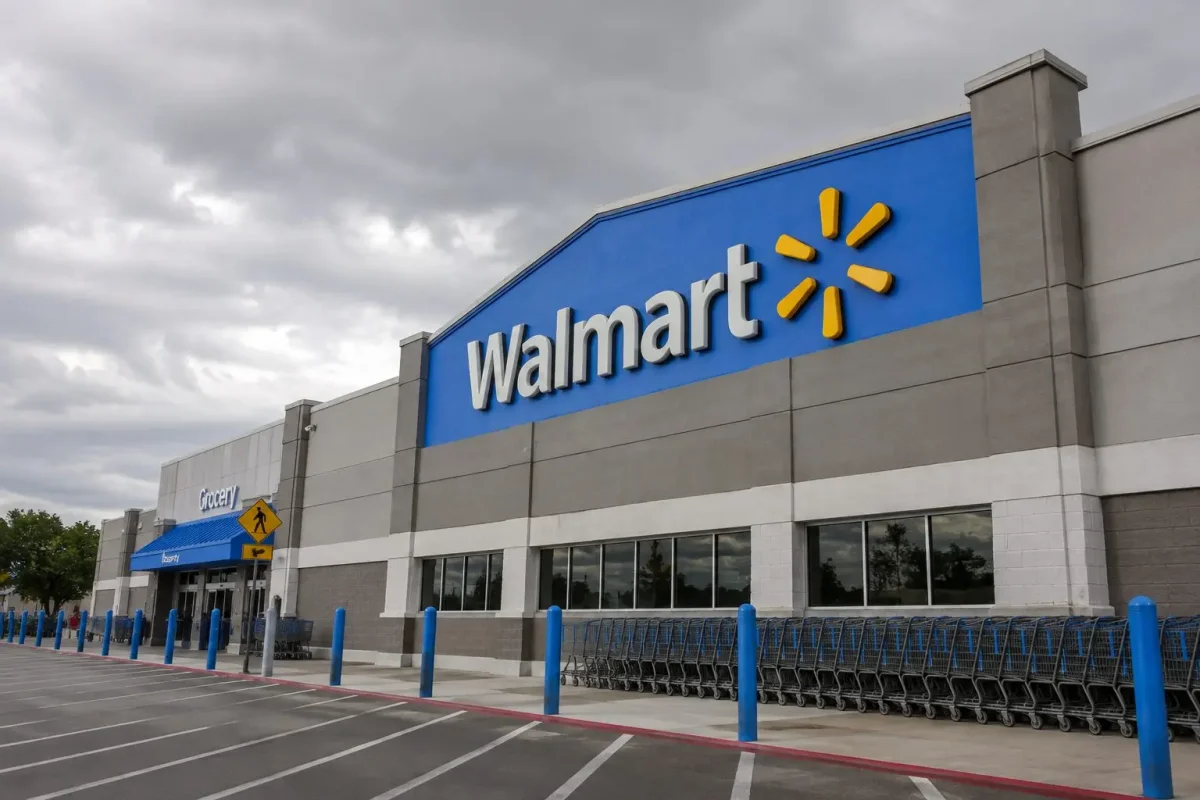
Walmart Inc. (NASDAQ:WMT) is drawing attention this week as a third-party seller on its marketplace platform offers a wood-burning fire pit at a significant discount. The promotional pricing comes at a time when outdoor burning restrictions are in effect in parts of Washington state, raising questions about the practical utility of the product and the strategic implications for the retail giant's marketplace economics.
Promotional Details and Marketplace Mechanics
The ALAULM 19-inch fire pit is listed at $59, down from its original price of $89, representing a 33.7% discount. The product is sold and shipped by ALAULM, not Walmart directly. This arrangement underscores a key aspect of Walmart's marketplace model: the company avoids inventory risk while still generating revenue through referral fees and advertising.
Based on Walmart's typical 15% referral rate for outdoor goods, a $59 sale would generate approximately $8.85 in fees for the company. However, final fees can vary based on returns, promotional programs, or other adjustments. This fee-based revenue stream is a growing focus for Walmart as it seeks to expand its e-commerce profitability.
Regulatory Context and Consumer Impact
King County, Washington, has implemented Stage 2 regulations that prohibit outdoor wood burning in unincorporated areas, including recreational fires. The restrictions allow gas, propane, charcoal, and pellet appliances, but wood-burning fire pits are not exempt, even if marketed as "smokeless." This regulatory backdrop highlights a potential mismatch between product availability and local usage conditions.
Despite the ban, the product has seen strong sales velocity, with over 50 units sold since the previous day. Customer reviews are generally positive, with a 4.4-star rating across 30 reviews, though the sample size is limited.
Marketplace Growth as a Strategic Imperative
Walmart's marketplace expansion is a cornerstone of its e-commerce strategy. In the first quarter of fiscal 2027, global e-commerce sales grew 26%, with U.S. online sales also up 26%. Global advertising revenue jumped 37%, and U.S. advertising rose 36%. CEO John Furner attributed this growth to "a broader assortment, and faster delivery."
The marketplace model allows Walmart to offer a vast selection without holding inventory, while monetizing traffic through referral fees and ads. This approach is particularly valuable in navigating regional demand fluctuations, as third-party sellers bear the inventory risk.
Stock Performance and Valuation
Walmart shares closed Friday at $111.85, up 0.6% for the week, significantly trailing the S&P 500's 3.58% gain. The Nasdaq rose 5.19% and the Dow gained 2.96% over the same period. Walmart's valuation remains elevated, with a trailing price-to-earnings ratio of 39.2 times, higher than Amazon (22.1 times), Home Depot (25.3 times), and Lowe's (18.9 times).
This premium has drawn scrutiny from analysts. On August 4, Oppenheimer analyst Rupesh Parikh downgraded Walmart to Perform and withdrew his $140 price target, citing expectations of 3.0% U.S. comparable-sales growth for the July quarter, below the 3.8% consensus. Despite this, the broader analyst community remains bullish, with a consensus rating of Overweight and an average price target of $139.84, implying about 25% upside.
Upcoming Catalysts
Investors will watch several key economic reports this week, including July inflation data on Wednesday, producer prices on Thursday, and retail sales on Friday. Walmart's own second-quarter earnings are scheduled for August 20, with management guiding for 4-5% sales growth, 7-10% adjusted operating income growth, and adjusted EPS of $0.72 to $0.74.
The fire pit promotion, while a minor event, illustrates the broader dynamics at play: Walmart's marketplace growth, regional regulatory impacts, and the valuation premium that hinges on continued fee and advertising expansion. As the company navigates these factors, its ability to sustain growth will be closely monitored by the market.