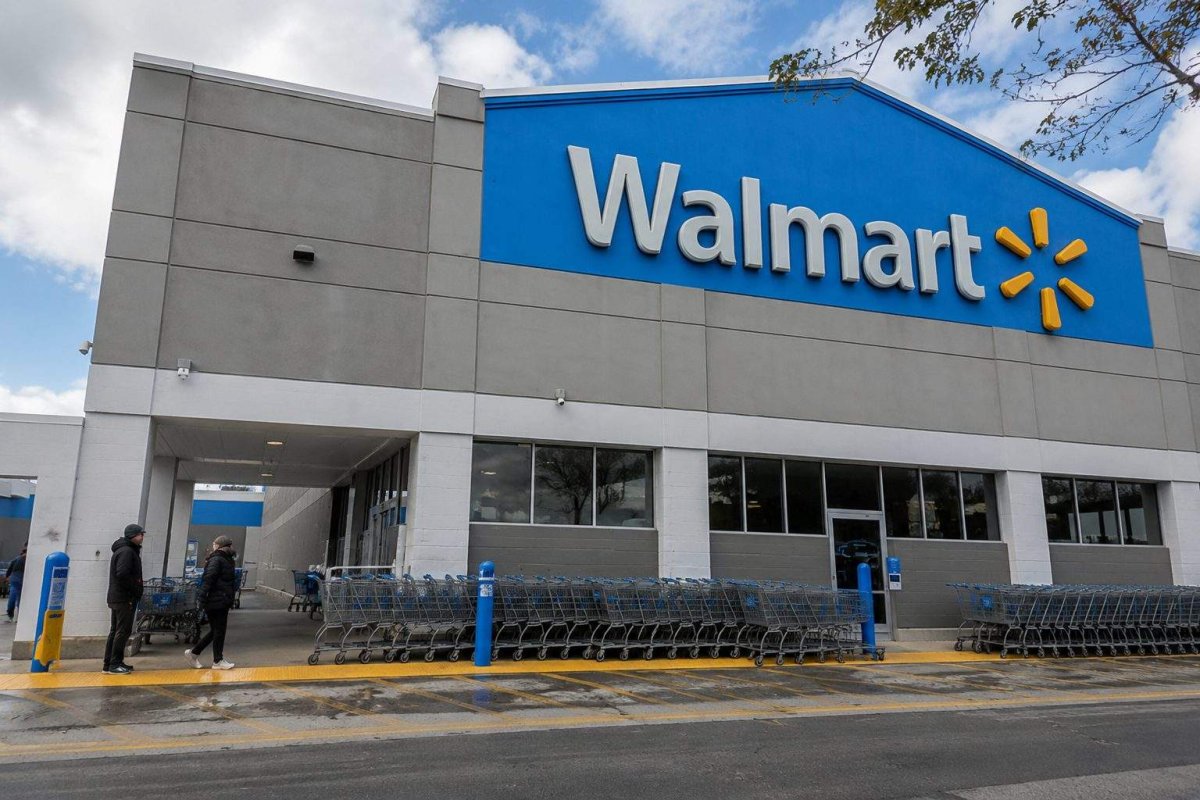
Walmart Inc. shares closed the week on a positive note, rising 0.97% on Friday to $118.88 and posting a weekly gain of approximately 2.7%. This performance stood in stark contrast to the broader market, where the S&P 500 fell 2.64% in a broad selloff triggered by stronger-than-expected U.S. jobs data that dampened hopes for easier Federal Reserve policy.
The defensive appeal of Walmart was evident as consumer staples led sector gainers while technology shares sank. The Dow Jones Industrial Average dropped 1.35%, and the Nasdaq Composite tumbled 4.18% during the same period. Investors now look to Monday's market open to gauge whether Walmart's gain represents a temporary safe-haven trade or a more durable bet on its value retail, automation, and delivery capabilities.
Walmart's recent performance is supported by solid fundamentals. The company reported first-quarter revenue growth of 7.3%, global e-commerce sales up 26%, and U.S. comparable sales (excluding fuel) rising 4.1%. Approximately half of its U.S. e-commerce fulfillment center volume is now automated, and the retailer is leveraging its stores and clubs as fulfillment points to drive digital growth.
However, the stock's valuation remains a concern. With a price-to-earnings ratio of about 41.7, investors are paying nearly $42 for every dollar of trailing earnings. This leaves little room for error if fuel costs, food inflation, or labor issues related to artificial intelligence begin to squeeze margins. Walmart's push into AI and automation has drawn scrutiny; shareholders recently rejected a proposal for a report on AI's impact on workers, with the company emphasizing responsible use and human judgment.
Fuel costs are a particular wild card. Walmart CFO John David Rainey noted that customers at Walmart and Sam's Club purchased less than 10 gallons of fuel per trip for the first time since 2022, calling it a sign of stress. Analysts are watching whether this pressure translates into reduced spending on discretionary items like apparel and home goods, especially if high gas prices persist through summer and back-to-school season.
Competition from Amazon adds another layer of risk. Amazon has moved its Prime Day to June 23-26, focusing on groceries and fast delivery, while Walmart is expanding its express delivery service with Subway meals to about 1,400 stores by late summer. Target remains a closer bricks-and-mortar comparison, and Costco's Sam's Club is attracting shoppers with cheaper fuel.
Looking ahead, the key question is whether investors will continue to pay a premium for Walmart's blend of value retail, automation, and delivery speed. A steadier market tape could support the stock, but another jump in yields or oil prices would make its defensive badge harder to carry. The coming days will test whether Walmart's recent gains are a one-off haven trade or a more sustainable trend.