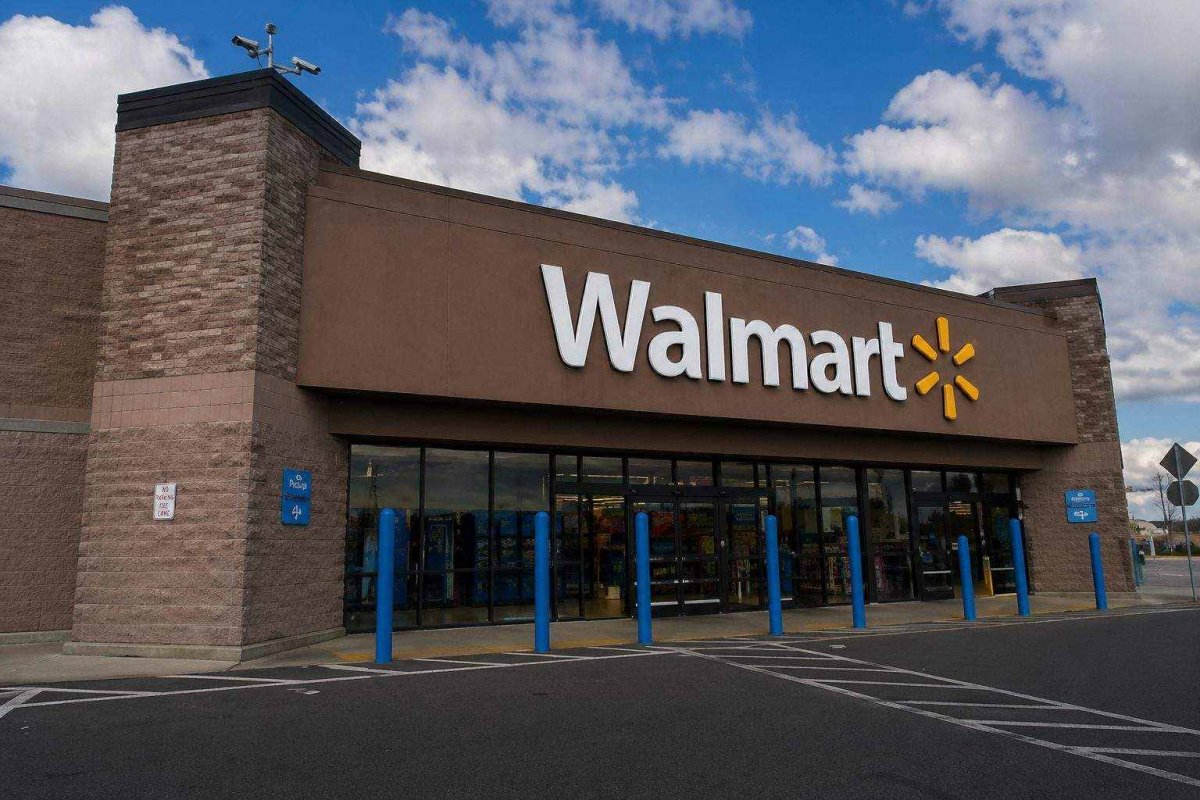
New York, May 4, 2026 – The long-standing rivalry between Walmart (WMT) and Costco (COST) is entering a new phase, with Walmart's rapidly expanding advertising business emerging as a critical differentiator in the bull-bear debate on Wall Street. As of Monday morning, Walmart shares edged down 0.4% to $131.02, while Costco shares rose 0.6% to $1,018.25. The divergence reflects investor scrutiny over which retailer's profit engine—Walmart's ad-driven margins or Costco's subscription-based loyalty—commands a higher premium in today's inflationary environment.
Walmart's Advertising Boom
Walmart's global advertising revenue surged 46% to nearly $6.4 billion in fiscal 2026, according to CEO John Furner's shareholder note. The company's U.S. ad unit, Walmart Connect, posted a 41% increase, while global e-commerce climbed 24% to $150.4 billion. U.S. e-commerce sales grew 27% year-over-year, underscoring the retailer's digital transformation. This ad revenue stream is particularly attractive to investors because it carries higher margins than traditional retail, offering a software-like profit layer on top of Walmart's discount core.
Costco's Membership Strength
Costco, meanwhile, continues to rely on its membership fee model. The company reported 82.1 million paid members, with renewal rates above 89% globally and 92.1% in the U.S. and Canada. Second-quarter net sales jumped 9.1% to $68.24 billion, while net income rose to $2.04 billion from $1.79 billion a year ago. Digitally enabled comparable sales surged 22.6%, and CFO Gary Millerchip highlighted "targeted digital communications and retention strategies" for keeping online sign-ups strong. Membership fees alone contributed roughly $1.36 billion in the quarter, a key profit driver.
Valuation and Market Context
The valuation gap remains stark. Costco's price-to-earnings ratio continues to trade above Walmart's, reflecting its premium for loyalty and consistent renewal rates. However, analysts like Micah Zimmerman of The Motley Fool argue that Walmart's lower valuation and clearer earnings drivers make it the better risk-reward bet currently, even as Costco earns higher marks for quality and customer loyalty. The broader market context is shaped by persistent inflation: the Consumer Price Index rose 0.9% in March and 3.3% year-over-year, with gasoline accounting for nearly three-quarters of the monthly gain. This keeps price-sensitive shoppers focused on essentials, benefiting both retailers.
Retail Media Landscape
Amazon remains the dominant player in retail media, with U.S. advertisers expected to spend $69.3 billion in the space this year, per eMarketer data cited by Digiday. Over 89% of new ad spend is projected to flow to Walmart and Amazon. Chris Rigas, vice president of media at Markacy, described Walmart's trajectory as "catch up" growth, noting its ad revenue is only about one-tenth of Amazon's. Still, Walmart's momentum is significant: its global advertising business surged 37% including Vizio, and the company is positioning itself as a platform for brands seeking targeted ad placements based on shopper data.
Risks and Outlook
Both retailers face headwinds. Costco cites tariffs, inflation, energy prices, and global strife as threats; a sharp spike in fuel or freight costs could erode its pricing edge. Walmart faces the risk of softening ad demand or Amazon's stubborn dominance, which could temper investor enthusiasm for a "platform premium." However, neither chain is seeing shoppers walk away. The real question for investors is which profit engine—Walmart's expanding mix of ads, e-commerce, and memberships, or Costco's steady renewal formula—will command a higher valuation as inflation keeps both stocks in play. For now, the room to maneuver is not equal, and the battle lines are drawn around advertising versus loyalty.