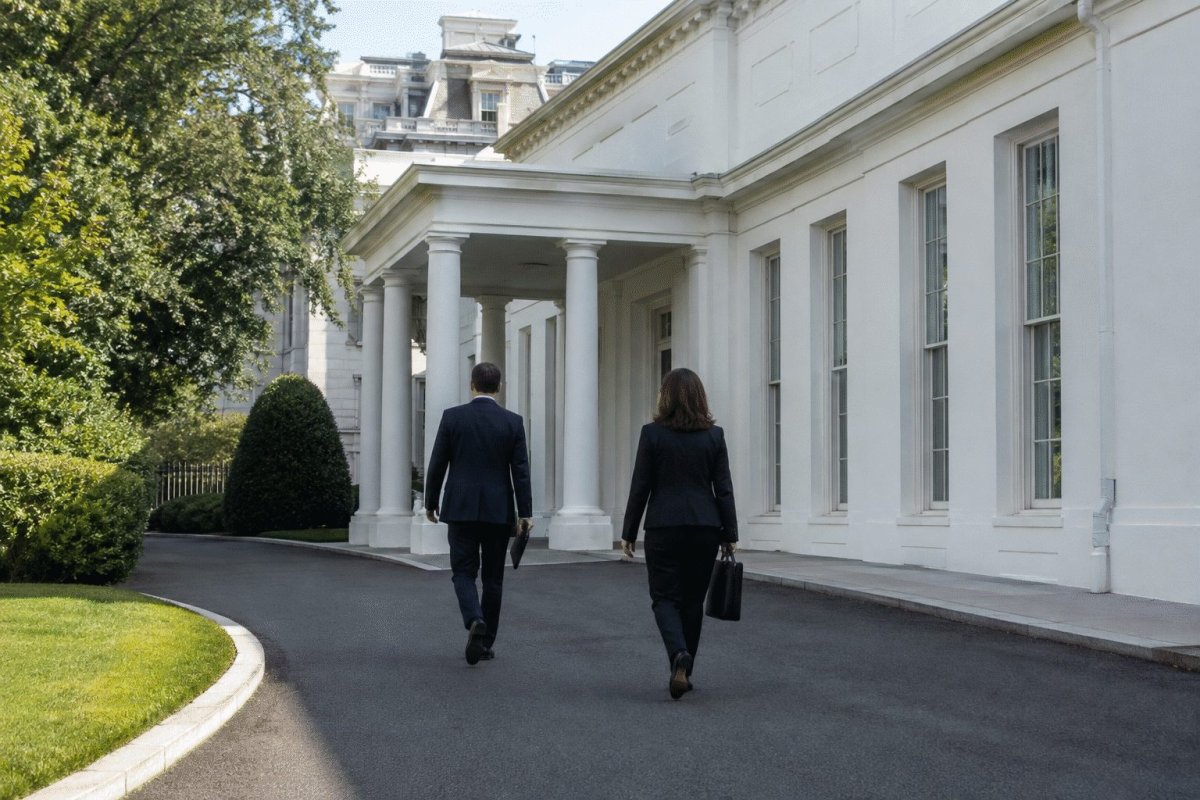
Washington, D.C. – A wave of departures from the Trump administration has pushed senior staff turnover to 54%, according to data from the Brookings Institution. The figure, updated through August 20, underscores the challenges facing the White House as it navigates a critical period ahead of the midterm elections.
The Brookings tracker, which measures turnover among the senior Executive Office "A Team," shows that 54% of these positions have changed hands since the start of the second term. This marks a significant acceleration from the 29% turnover recorded at the end of the first year. In just seven months, the rate has climbed by 25 percentage points, with the recent spike accounting for nearly half of the current total.
Key Departures Across Policy Areas
Five recent departures span critical operational divisions, including communications, congressional affairs, legal review, national security, and domestic policy. Press Secretary Karoline Leavitt is set to leave at the end of August, though she will continue as an external adviser. No replacement has been announced yet.
James Braid, the director of legislative affairs, will step down in September. Vice President JD Vance praised Braid's role in the administration's legislative achievements, noting the importance of this position as Congress faces tight margins and a busy fall schedule.
In the legal arena, White House counsel David Warrington's departure is well-planned, with staff secretary Will Scharf stepping into the role on September 1. This provides a clear succession for legal review, which is crucial for policy implementation.
Deputy national security adviser Andy Baker is leaving in the coming weeks. Axios reports that Mike Needham and Cliff Sims will cover his responsibilities, including those related to Vice President Vance's portfolio. Baker had been focused on negotiations with Iran.
Emily Underwood, a senior aide to Stephen Miller, is departing to join venture capital firm Trust Ventures. She had been involved in domestic policy matters, and her succession has not been publicly detailed.
Market Reaction and Implications
Despite the high turnover, U.S. stock futures climbed on Tuesday, indicating that investors are not overly concerned about the departures. Dow futures rose 0.33%, S&P 500 futures gained 0.39%, and Nasdaq 100 futures advanced 0.75%, driven largely by technology earnings and inflation data.
Investors appear to differentiate between staff changes and shifts in policy direction. Two of the five roles already have clear successors or coverage, while the remaining three lack announced replacements, which could increase execution risk but does not signal a policy reversal.
Notably, no exits from the Treasury Department or the core economic team have been confirmed, limiting the immediate impact on rates, the dollar, and equities. However, risks remain if vacancies delay fall funding negotiations, hinder sanctions enforcement, or impede legal assessments.
Looking Ahead
The next few weeks will be a test of the administration's resilience. Will Scharf's transition on September 1 and James Braid's departure in September coincide with Congress's return and a tightening midterm schedule. Smooth transitions could mitigate the impact of the turnover, while prolonged vacancies could heighten policy execution risks.
As the White House manages these changes, market participants will be watching closely for any signs of disruption to economic policy or legislative priorities.
