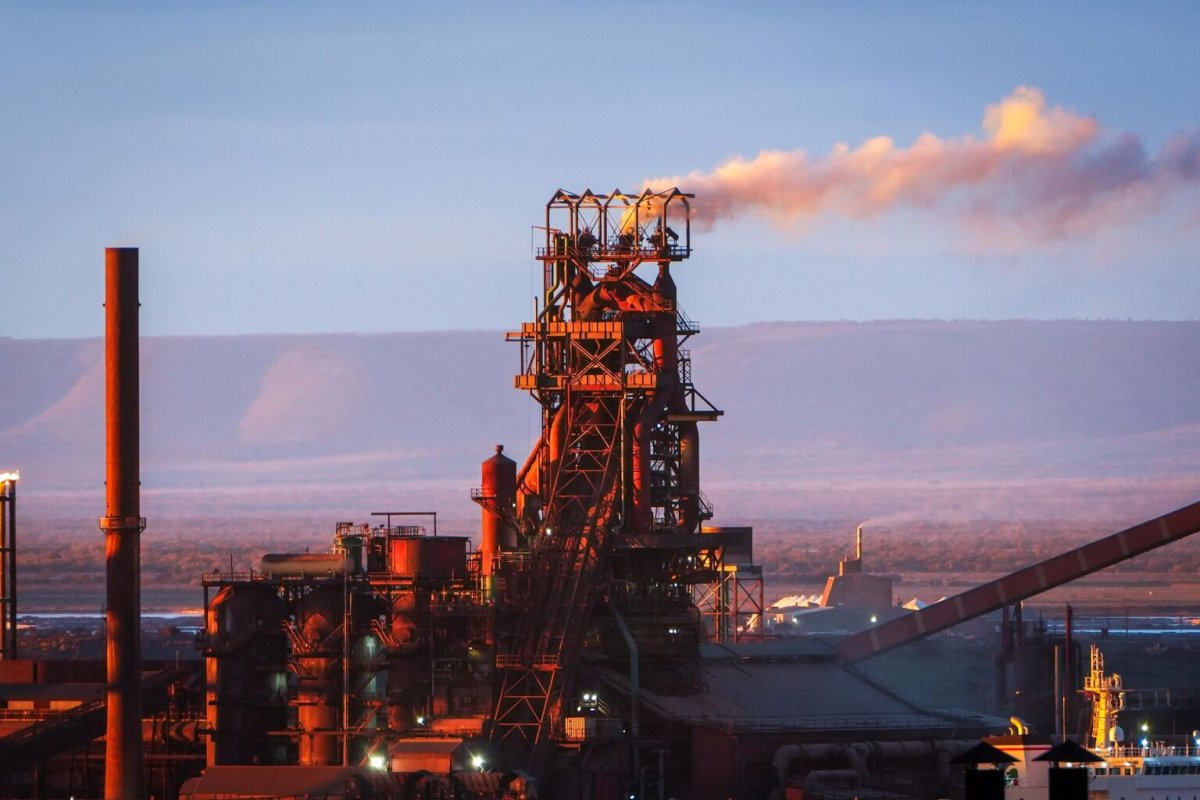
In a decisive turn for South Australia's industrial landscape, administrators overseeing the Whyalla Steelworks have permanently abandoned attempts to restart the site's blast furnace. The move, announced to employees on September 14, is set to eliminate 500 positions and impact over 100 contractors, marking a significant shift in the facility's operational strategy.
The blast furnace had been offline since April, making Monday's decision a conclusion to a costly revival effort rather than an interruption of active production. This permanent closure underscores the challenges facing the aging ironmaking infrastructure, which dates back to the 1960s and relies on coal-fired technology.
Sale Process Continues
Despite the furnace's closure, the sale of the steelworks remains on track. Administrators confirmed that negotiations with two final bidders—Jindal Group and privately held Australian commodities firm M Resources—are proceeding. South Australian Premier Peter Malinauskas has indicated that a transaction is expected to be completed by the end of 2026.
The federal and state governments have pledged up to A$1.9 billion in financial support alongside a buyer to transform Whyalla into a modern, lower-emissions facility. This investment signals a strategic pivot away from traditional blast furnace operations toward an electric arc furnace and direct-reduced-iron plant, utilizing local magnetite and eventually cleaner energy sources.
Financial and Operational Implications
South Australia's latest budget allocates A$319 million over two years to sustain the steelworks during administration, along with additional funds for transformation and task force initiatives. A gas supply agreement with Santos, providing 20 petajoules annually for 10 years starting in 2030, aims to support future operations. However, bidders must bridge the gap until that supply begins and demonstrate competitiveness against imported steel.
The permanent shutdown simplifies the asset's valuation but complicates its execution. Whyalla can no longer be assessed as an integrated mill with a recoverable blast furnace; instead, buyers must determine how to maintain rolling operations, source intermediate feed, and finance the transition to new technology.
BlueScope's Position
BlueScope Steel, an ASX-listed producer, retains a right of final offer, according to federal Industry Minister Tim Ayres. While not a final bidder, BlueScope could choose to match terms negotiated with Jindal or M Resources. The company previously explored Whyalla with a consortium including Nippon Steel, JSW Steel, and POSCO, but no member was obliged to bid.
The furnace closure may reduce the appeal of an immediate takeover, as buyers would inherit no operating ironmaking unit. Conversely, it could lower the acquisition price and eliminate the burden of repeated restart attempts. These factors create opposing pressures on valuation.
BlueScope's financial position—reporting A$802 million net profit and A$1.27 billion underlying EBIT for fiscal 2026—provides capacity to evaluate the option. However, shareholders expect disciplined capital allocation, especially with a plan to return A$3 per share in fiscal 2027. A significant Whyalla commitment would compete with these returns.
At 12:45 p.m. AEST on September 14, BlueScope shares traded at A$30.235, a marginal 0.1% increase from Friday's close, reflecting the market's view that the announcement does not create new obligations for the company.
Investor Focus
The next critical development for investors is the sale structure: the chosen buyer, the extent of government support, the timeline for replacement ironmaking, and whether BlueScope exercises its final-offer right. Until these terms are finalized, interpreting the job cuts as either a bargain opportunity or evidence of Whyalla's diminished value would be speculative.
