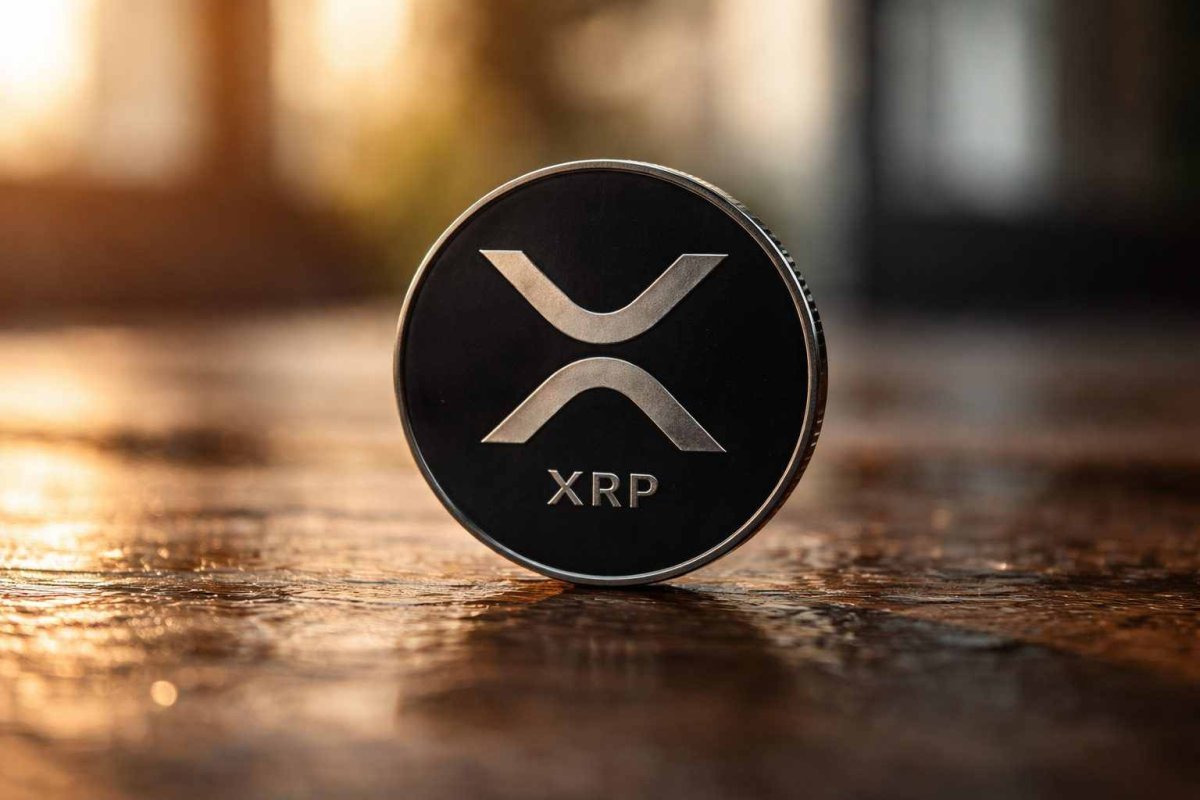
Ripple's XRP cryptocurrency retreated on Thursday, trading around the $1.35 level after surrendering gains from a brief rally sparked by Middle East ceasefire hopes. The pullback occurred despite substantial new capital flowing into institutional investment products tied to the digital asset.
Institutional Demand Remains Robust
According to data from digital asset manager CoinShares, funds linked to XRP attracted $119.6 million in net inflows during the past week. This represents the largest weekly inflow for XRP-focused investment products since mid-December 2025 and topped all other digital assets tracked by the firm. The strong institutional interest suggests confidence in XRP's fundamentals persists despite short-term price volatility.
Geopolitical Uncertainty Weighs on Sentiment
The primary headwind for XRP and broader cryptocurrency markets emerged from renewed uncertainty surrounding the U.S.-Iran ceasefire agreement. Reports indicated the truce remained fragile, with Israeli strikes continuing in Lebanon and Iranian forces maintaining positions near the strategic Strait of Hormuz. This geopolitical tension prompted investors to reduce exposure to risk-sensitive assets like cryptocurrencies.
"The entire ceasefire remains tenuous," noted Derek Halpenny, head of research for global markets EMEA at Mitsubishi UFJ Financial Group. The cautious sentiment spread across digital markets, with Bitcoin declining nearly 1% to approximately $70,680 and Ether falling roughly 3%. Solana also retreated by about 2.9%.
Regulatory Developments Offer Potential Support
Offsetting some negative sentiment, U.S. Treasury Secretary Scott Bessent urged Congress to pass the Clarity Act, legislation designed to establish comprehensive federal regulations for digital assets. Bessent argued that the current regulatory vacuum has driven cryptocurrency innovation offshore to jurisdictions like Abu Dhabi and Singapore. Clearer regulatory frameworks are generally viewed as positive for institutional adoption of digital assets.
The current policy environment represents an improvement from previous years. In August, the Securities and Exchange Commission concluded its long-running lawsuit against Ripple, though it maintained a $125 million fine. Then in March, the SEC and Commodity Futures Trading Commission issued joint guidance clarifying which digital assets qualify as securities under existing laws.
Market Context and Technical Movements
XRP's price action reflected its status as a high-volatility macro asset rather than movement driven by specific Ripple developments. The token declined from approximately $1.37 to $1.33 during Thursday's session, with sellers emerging during any price bounces. Trading volume remained substantial at $2.5 billion over 24 hours, according to Coinbase data.
The reversal followed Wednesday's strong performance, when XRP surged 5.5% following the initial ceasefire announcement. Bitcoin and Ether had gained 4.8% and 7% respectively during that rally. The sharp turnaround highlighted cryptocurrency markets' sensitivity to geopolitical developments.
Broader Economic Concerns
Analysts noted additional macroeconomic factors that could pressure digital assets. Barclays has cautioned that sustained disruption to shipping through the Strait of Hormuz could keep oil prices elevated. Meanwhile, recent U.S. inflation data has reduced expectations for imminent Federal Reserve interest rate cuts. This combination of persistent inflation and potential energy price pressures creates a challenging environment for growth-oriented assets like cryptocurrencies.
Matt Mena of 21Shares summarized market anxiety, suggesting Bitcoin could decline to $66,000 if the ceasefire completely unravels. However, he also pointed to potential positive catalysts including easing geopolitical tensions and regulatory progress that could support a market rebound.
XRP's Market Position
Despite the price decline, XRP maintains a significant position in the cryptocurrency ecosystem. Its market capitalization stood near $83.2 billion as of Thursday, ranking it as the fourth-largest digital asset. The circulating supply totals approximately 61.4 billion tokens. The divergence between strong institutional inflows and price performance suggests sophisticated investors may be accumulating positions during periods of market weakness, anticipating longer-term appreciation potential.