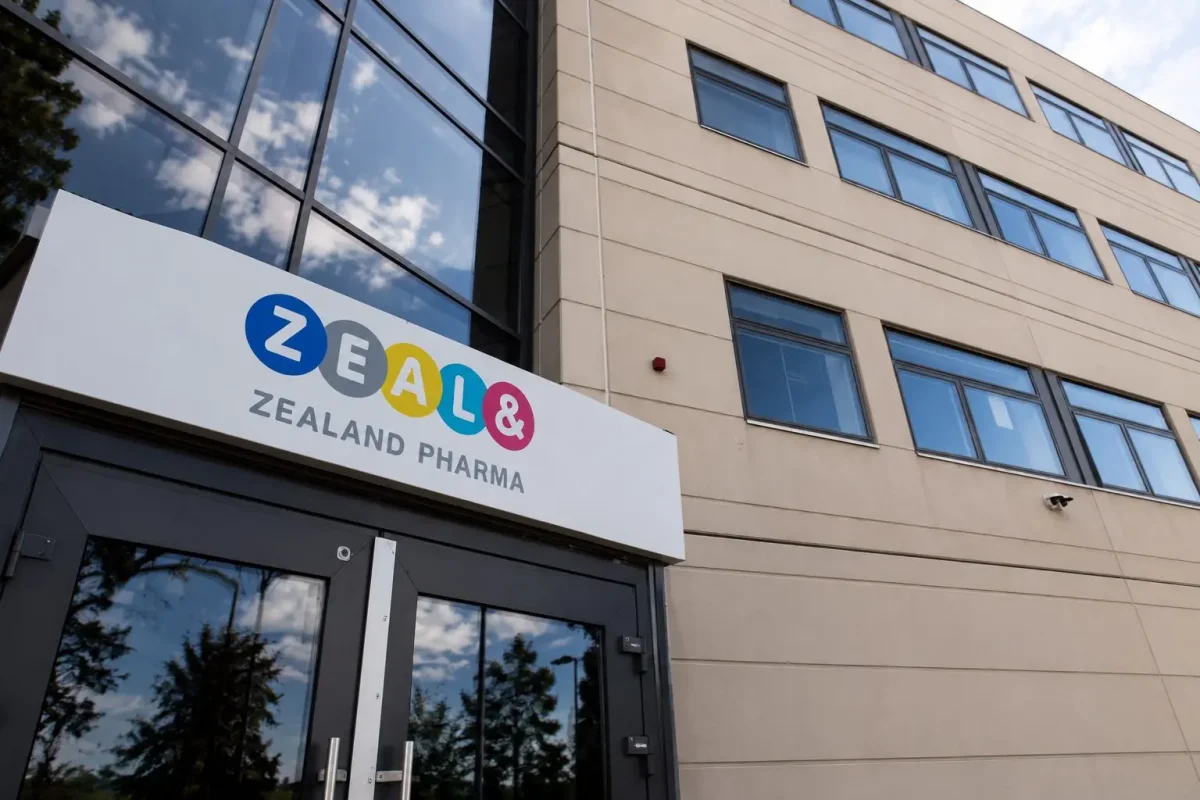
Zealand Pharma (ZEAL) shares tumbled more than 26% in Copenhagen on Monday, marking the steepest decline on Europe's STOXX 600 index. The sell-off came after detailed results from Boehringer Ingelheim's obesity drug survodutide revealed a discontinuation rate of 19% due to gastrointestinal side effects, compared to just 2.9% for the placebo group. The data, presented at the American Diabetes Association meeting over the weekend, overshadowed the drug's solid fat-loss metrics.
Investor Concerns Over Tolerability
The SYNCHRONIZE-1 trial evaluated survodutide, a once-weekly injectable dual agonist targeting glucagon and GLP-1 receptors. While the drug achieved up to 16.6% weight loss after 76 weeks, with visceral fat dropping 34% and liver fat declining 63.1%, the high dropout rate raised red flags. Analysts noted that such tolerability issues could hamper patient adherence, a critical factor in the competitive obesity market dominated by Novo Nordisk's Wegovy and Eli Lilly's Zepbound.
Market Context
The Copenhagen stock market opened for regular trading on Monday after the Constitution Day holiday on June 5, allowing investors to react to the Sunday data release. Zealand Pharma's stock closed at 241.40 Danish crowns, down 26.02% from the previous close. The broader European market, as measured by the STOXX 600, also felt the ripple effect, though the decline was concentrated in Zealand shares.
Boehringer's Defensive Stance
Boehringer Ingelheim's head of human medicines, Shashank Deshpande, argued that survodutide should be evaluated on its broader benefits beyond weight loss, particularly in liver disease. He described the drug as a potential "important new option at the intersection of obesity and liver disease." Zealand's Chief Medical Officer, David Kendall, echoed this sentiment, urging the field to "move beyond blunt force weight reduction."
Financial Implications for Zealand
Under the licensing agreement, Zealand Pharma receives royalties in the high single-digit to low double-digit percentage range on global sales of survodutide, along with up to 315 million euros in potential milestone payments. Boehringer handles all global development, manufacturing, and commercialization. However, if regulators or physicians deem the dropout rate unacceptable, Boehringer may need to adjust dosing regimens, potentially delaying market entry and reducing Zealand's future royalty stream.
Competitive Landscape
The obesity drug market has become increasingly selective, with investors comparing each new entrant against established leaders. Survodutide's dropout rate appears higher than that of Wegovy and Zepbound in their pivotal trials, raising questions about its market viability. Despite the promising reductions in liver fat—a key differentiator—the tolerability issue could limit its commercial success.
Outlook
Survodutide remains investigational and not yet approved for any use. The SYNCHRONIZE program continues, with further data expected from other trials. For now, the market has delivered a clear message: efficacy alone is not enough. Patients must also be willing to stay on the medication. Zealand Pharma's stock action reflects this new reality, as investors weigh the drug's potential against its challenges.
