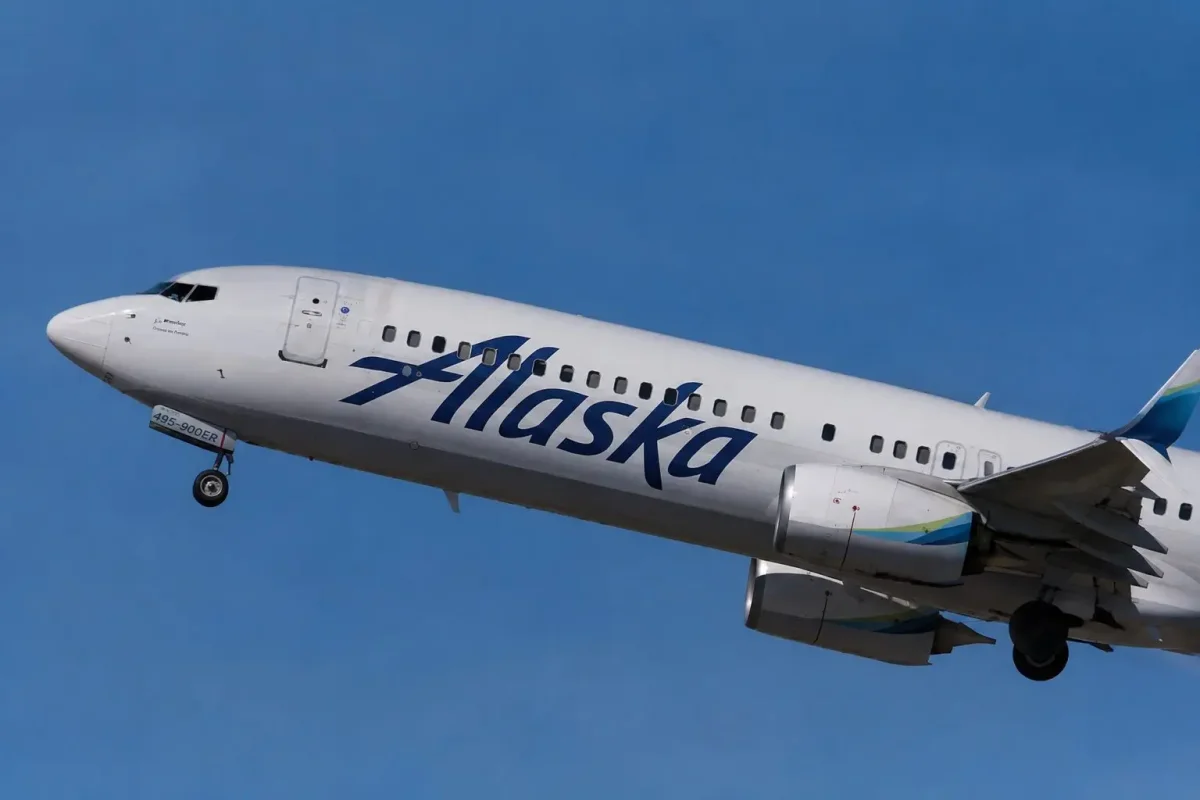
Alaska Air Group (NYSE:ALK) is embarking on a significant expansion of its Hawaii network, announcing a two-phase capacity increase that will add more seats and freight capability to the region. The carrier plans to boost interisland seating by approximately 25% through the deployment of Boeing (NYSE:BA) 737-800 aircraft, which can accommodate around 160 passengers compared to the 128-seat Boeing 717s currently in use. Additionally, the airline will lease four new freighters, nearly doubling its dedicated cargo capacity and positioning itself to capture more of the growing airfreight market.
The expansion comes at a time when the airline's cargo business is outperforming its passenger operations. In the last quarter, cargo revenues surged 21%, more than double the overall revenue growth rate of 10%. This divergence highlights the strategic value of diversifying revenue streams, especially as fuel costs remain a dominant earnings driver. Alaska has set an annual cargo profit target of $150 million, a figure that represents a quarter of the $600 million in additional fuel expenses the airline incurred in the second quarter alone.
The fleet transition will begin in 2028, as Hawaiian Airlines phases out its fleet of 19 aging Boeing 717s, each over 20 years old. The newer 737-800s will feature a more premium-heavy cabin layout, with twice as many First Class seats and over 30 additional Premium Class seats compared to the current configuration. This shift is designed to capture higher-yield traffic on popular interisland routes. An Alaska-branded 737 will begin testing the route earlier, with three daily round-trip flights between Honolulu and Kahului scheduled to launch in October.
On the cargo side, the four additional freighters are expected to begin operations in the first half of 2027 under extended leases, serving both Alaska and Hawaii markets. Ian Morgan, head of cargo at Alaska Airlines, noted that the expansion creates "new international shipping opportunities" for seafood and other high-value cargo, underscoring the airline's ambition to grow its logistics footprint.
However, the near-term outlook is clouded by rising fuel costs. Alaska projects adjusted third-quarter earnings of zero to $1 per share, with a midpoint of $0.50—roughly 64% below the $1.38 consensus estimate from analysts. The airline's fuel cost sensitivity is acute: Ryan St. John, Alaska's fuel manager, warned that prices approaching $4 per gallon could push earnings toward the lower end of the guidance range. "It's really hard to know where fuel is going to settle," he said.
This cautious guidance stands in contrast to some larger competitors. Delta Air Lines (NYSE:DAL) maintained its full-year earnings forecast, while United Airlines (NASDAQ:UAL) raised the lower end of its outlook. The divergence underscores the unique challenges Alaska faces from its heavy exposure to Hawaii, which continues to create a two- to three-point drag on unit revenue.
Alaska closed Tuesday at $45.46, down 3.0% over the past five sessions, and slipped an additional 1.7% in after-hours trading. Investors will be closely watching the company's earnings call on Wednesday at 08:30 PDT for further details on fuel hedging, capacity plans, and pricing trends. Until the fleet upgrade begins to boost earnings in 2027, fuel costs and Hawaii pricing remain the primary headwinds for the stock.