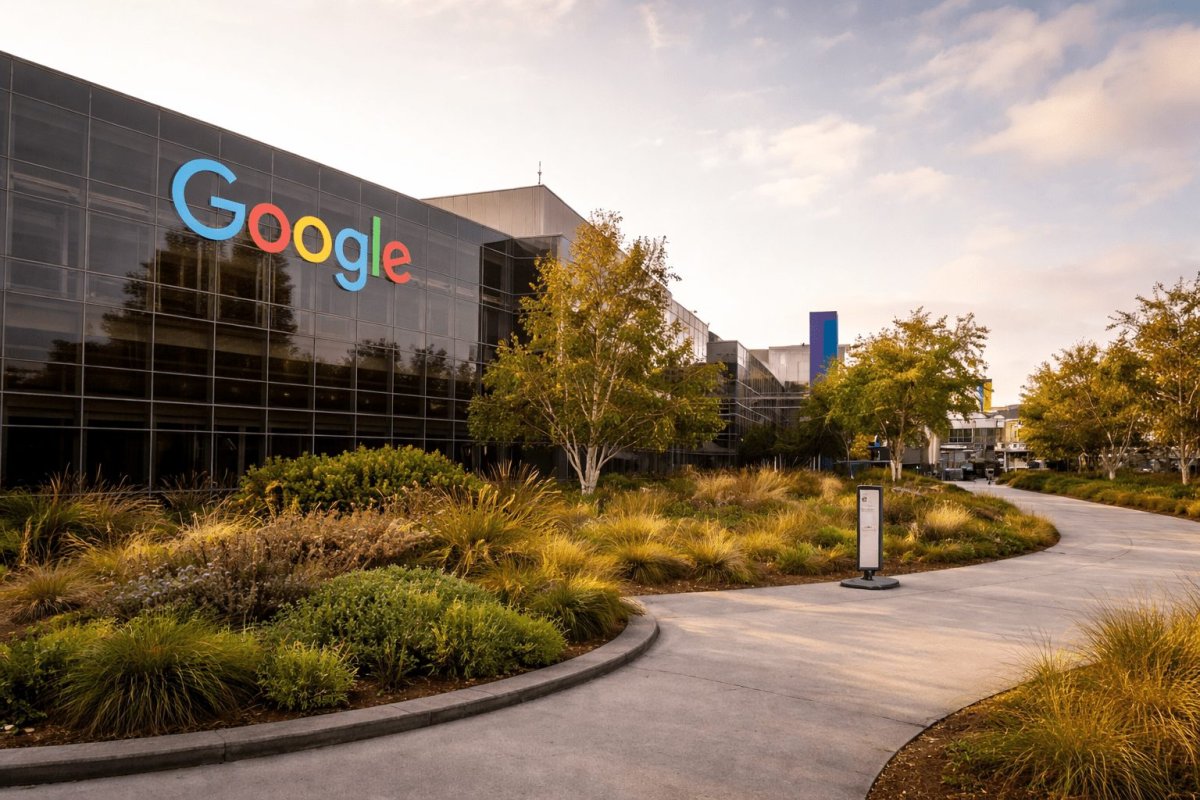
Shares of Alphabet Inc., the parent company of Google, continued their downward trajectory on Thursday, dropping approximately 3.1% to $280.53 in afternoon trading. This decline builds upon a broader 15% slide from the stock's February highs, pushing the technology giant perilously close to bear market territory, typically defined as a 20% drop from recent peaks.
Ambitious Spending Plan Raises Eyebrows
The sell-off follows the company's recent projection that its capital expenditures could reach between $175 billion and $185 billion by 2026. This represents a near-doubling from the roughly $91 billion anticipated for 2025. The substantial investment is earmarked for expanding data center infrastructure, securing advanced semiconductor chips, and upgrading network hardware to support the company's aggressive artificial intelligence initiatives.
This strategic shift marks Alphabet's evolution from a participant in the AI race to one of its foremost financial backers. The announcement came despite the company posting robust financial results. For the full year, Alphabet reported revenue of $403 billion. In the most recent quarter, its core Search business grew by 17%, while Google Cloud revenue surged 48% to $17.7 billion, outpacing the growth of competitor Microsoft Azure.
Market Context and Broader Pressures
The decline occurred amid a challenging session for technology stocks broadly. The sector faced significant headwinds, with Meta Platforms Inc. sliding 8.5% and Microsoft Corporation declining 1.2% by afternoon trading. U.S. equity indexes moved lower throughout the day.
Adding to the sector's woes, a recent jury decision against both Google and Meta in early cases related to alleged harm to children has introduced a new layer of regulatory and legal uncertainty for major technology firms. This comes alongside existing pressures including rising energy costs, tighter lending conditions, and ongoing antitrust battles.
Financing the AI Future
To fund its ambitious technological pivot, Alphabet returned to debt markets last month, completing a global bond sale worth $31.51 billion that included a 100-year bond. This move underscores the scale of capital required for its AI ambitions. Rivals Meta and Microsoft are also significantly ramping up their own AI-related expenditures, setting the stage for an intense and costly competitive landscape.
Chief Executive Sundar Pichai has consistently framed these AI investments as critical engines that will "drive revenue and growth across the board" for Alphabet's diverse portfolio, which includes Search, YouTube, and Cloud services. However, Thursday's market reaction suggests investors are seeking more concrete evidence that these established, profitable operations can generate sufficient cash flow to support what is becoming one of Silicon Valley's most substantial technological wagers.
Analyst Perspectives and Long-Term View
Wall Street analysis presents a mixed picture. Research firm Evercore ISI projects Google Search revenue growth could reach 14% or higher for 2026, exceeding the consensus estimate of 13%. Ivan Feinseth of Tigress Financial Partners noted that Google is "increasingly levered to multiple durable growth engines and AI-centric investment trends." Meanwhile, Morgan Stanley analyst Brian Nowak pointed to faster-than-expected growth at Alphabet's autonomous vehicle unit, Waymo, as a long-term positive.
Nevertheless, significant risks are apparent. According to analysis from Reuters Breakingviews, technology and infrastructure companies are on track to invest approximately $630 billion into AI this year alone. However, practical constraints including delays in power access, transformer supply shortages, permitting bottlenecks, and limited specialized labor pools could slow implementation and potentially erode profit margins. CEO Sundar Pichai himself has acknowledged the company will likely operate in "supply-constrained" conditions through 2026.
The current situation places Alphabet in a complex position. While its core businesses demonstrate strong growth, the immediate market reaction highlights investor apprehension. The central question facing the company is whether its current revenue streams can reliably finance a transformative, capital-intensive bet on artificial intelligence while navigating an increasingly challenging macroeconomic and regulatory environment.