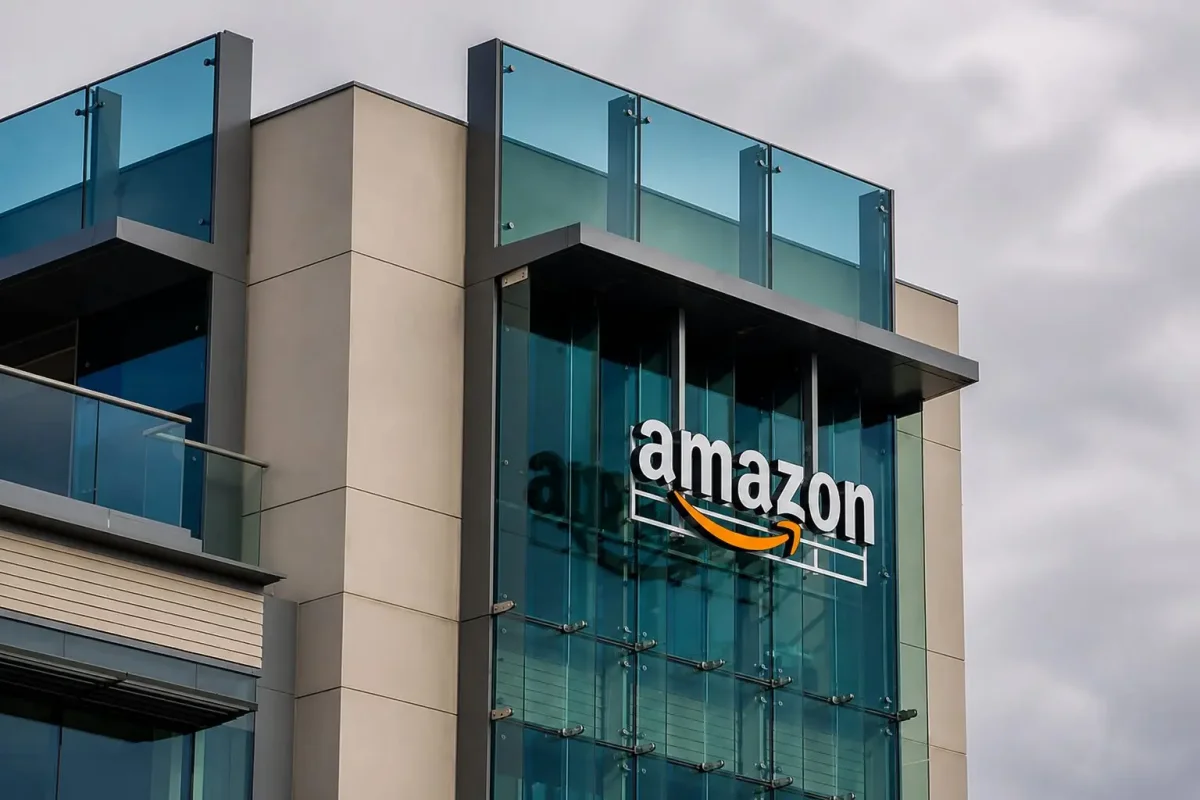
Amazon.com Inc. (NASDAQ: AMZN) saw its shares decline 1.81% to $256.52 on Tuesday, bucking a broadly positive market trend. The drop came on the same day the e-commerce giant confirmed its annual Prime Day event will run from June 23 to June 26, offering an early glimpse into retail momentum before the second quarter concludes.
The broader market moved higher, with the Dow Jones Industrial Average gaining 0.45%, the S&P 500 rising 0.13%, and the Nasdaq Composite barely in positive territory at +0.03%. The Philadelphia Semiconductor Index surged 5.9%, driven by continued demand for artificial intelligence infrastructure. "There is a lot going on under the hood," observed Mike Dickson, head of portfolio management at Horizon Investments, pointing to "massive dispersion" within the AI trade.
Amazon's Prime Day timing is significant, as the event has evolved far beyond a simple discount bonanza. The company is leveraging the four-day sale to drive adoption of its grocery, household essentials, and pantry categories, where it faces stiff competition from Walmart Inc. (NYSE: WMT) and Target Corporation (NYSE: TGT). Target has already aligned its Circle Deal Days to run concurrently, from June 23 to June 26.
Jamil Ghani, Amazon Prime's international vice president, told Reuters that the week starting June 22 was the "best week" for the event. He noted that Amazon shipped 4 billion grocery and daily essentials items with same-day delivery in the U.S. last year. The company is positioning groceries as a central focus of Prime Day, aiming to convert one-time deal seekers into recurring shoppers for high-frequency categories. Vivek Pandya, lead analyst at Adobe Digital Insights, said Adobe expects "strong year-over-year growth for the month."
Despite these strategic moves, investor sentiment remains cautious. Amazon's first-quarter results showed net sales rising 17% to $181.5 billion, with AWS revenue surging 28% to $37.6 billion and operating income reaching $23.9 billion. However, free cash flow over the trailing twelve months contracted to just $1.2 billion, as capital expenditures on property and equipment—primarily for AI—accelerated. CEO Andy Jassy noted that AWS is "growing at its fastest rate in 15 quarters."
The market's lukewarm reaction reflects concerns that the earlier Prime Day could merely pull forward demand rather than generate incremental sales. Amazon's aggressive push into lower-margin grocery categories may increase package volumes but could take time to meaningfully improve margin profiles. Additionally, regulatory headwinds persist: Australia's competition regulator issued takedown orders to Amazon, eBay, Kogan, and Fruugo over banned magnetic chess toys, with Amazon responding that "customer safety is our top priority."
Looking ahead, the key question is whether the extended Prime Day will translate into sustained customer loyalty and improved cash generation, or whether it will only provide a temporary traffic boost. With AI investments continuing to pressure free cash flow, Amazon will need to demonstrate that its retail innovations can deliver lasting financial benefits beyond the event's immediate sales spike.