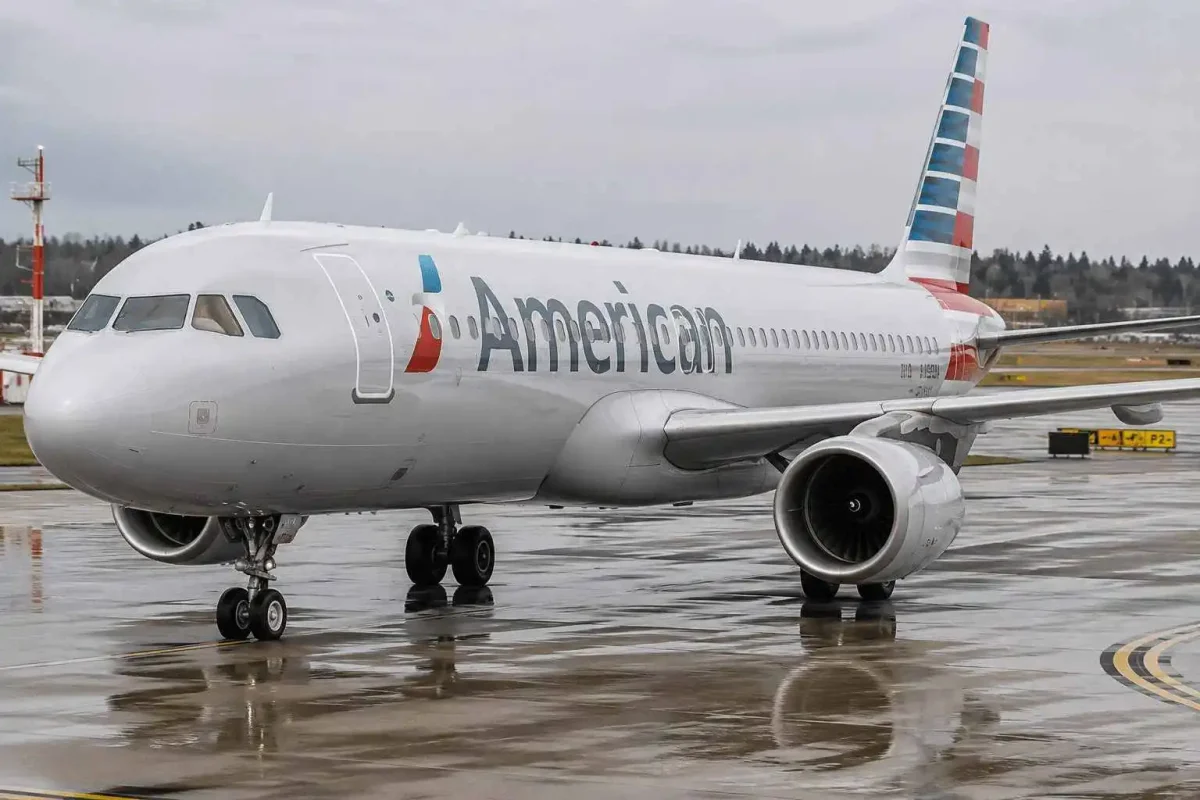
American Airlines Group Inc. (NASDAQ:AAL) saw its shares climb 3.9% in early premarket trading on Monday, buoyed by a sharp decline in oil prices that offers some respite from the fuel cost pressures that have been squeezing its profit margins.
The rise in the stock follows an 8.4% drop on Thursday, when the airline cut its financial outlook. Friday's 6.8% gain recouped only a portion of those losses, leaving the stock down 3.3% for the week. The shares closed at $14.48 on Friday.
The catalyst for Monday's move was a steep drop in Brent crude, which fell 8.8% to $88.30 per barrel after a suspension of hostilities between the United States and Iran. Lower oil prices directly reduce the cost of jet fuel, a major expense for airlines.
American Airlines' second-quarter results highlighted the extent of the fuel cost challenge. While total operating revenue reached an all-time high of $16.735 billion, up 16.3% from $14.392 billion a year earlier, fuel and related taxes surged 83.3% to $4.881 billion. The $2.218 billion increase in fuel costs represented 94.7% of the $2.343 billion boost in revenue. As a result, the adjusted operating margin fell sharply to 2.7% from 8.2% in the prior year, and adjusted net income dropped 84.2% to just $99 million.
Chief Financial Officer Devon May noted that the timing of the company's guidance played a role. "If we had guided on the same day as Delta, we'd have been guiding up for the year," he said. American's margin continues to lag behind those of its closest network competitors. United Airlines Holdings Inc. (NASDAQ:UAL) recorded an operating margin of 5.4% in the second quarter, while Delta Air Lines Inc. (NYSE:DAL) achieved 8.8%.
Fuel prices rose at a quicker pace than fares during the quarter. Each one-cent increase in American's average fuel cost lifts annual expenses by roughly $46 million. A 10-cent rise would translate to an estimated cost of about $460 million, with the majority impacting pretax profits. The company's sensitivity to fuel costs underscores the importance of the recent oil price decline.
Despite the cost headwinds, demand remained robust. Premium passenger unit revenue increased by 13.4%, and managed corporate revenue was up 26%. For the third quarter, American projects revenue to rise between 16% and 19%, though it anticipates an adjusted per-share loss ranging from $0.70 to $0.10. The full-year outlook now ranges from a loss of 65 cents to a gain of 65 cents per share, with the midpoint at break-even. This forecast is based on fuel costing about $3.75 per gallon, in line with the July 21 curve, and does not reflect Monday's drop in oil prices.
A series of key economic events this week could influence market direction. Durable-goods orders data is due Monday, the Federal Reserve concludes its two-day policy meeting on Wednesday, and the PCE inflation reading, the Fed's preferred measure, is expected Thursday. Fuel price volatility remains a concentrated risk for airlines, with shipping activity through the Strait of Hormuz subdued and freight rates requiring additional weeks or months to adjust.
The investment outlook for American Airlines now hinges on the duration of lower oil prices. A single day's decline offers some benefit, but ongoing relief is necessary to restore the carrier's narrow profit margins and close the gap with its peers.