Apple Inc. (NASDAQ: AAPL) delivered a decisive rebound on Thursday, September 10, erasing the post-event dip that followed its annual product showcase. The stock closed at $326.57, up $11.23 or 3.56%, after slipping to $315.34 on the day of the announcement. This sharp reversal pushed Apple's market capitalization to approximately $4.77 trillion, representing a one-day gain of roughly $163.9 billion.
The move was supported by substantial trading volume, with about 69.9 million shares changing hands—31% above the stock's three-month average. Such robust participation suggests the rally reflects more than a superficial bounce; it indicates a genuine shift in investor sentiment. However, the surge came ahead of any concrete sales data, leaving room for skepticism about whether the market is getting ahead of itself.
Premium Pricing Strategy
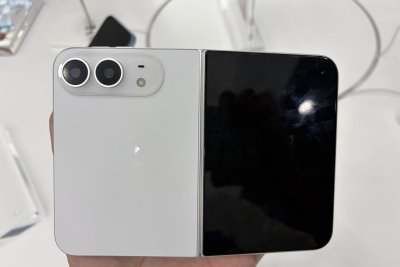
The core of the bullish thesis revolves around Apple's ability to command higher prices. The newly announced iPhone 18 Pro starts at $1,199, with the Pro Max at $1,299, both featuring 256GB base storage. Preorders begin September 12, with availability on September 18. These price points set a clear earnings test: can innovative camera features, the A20 Pro chip, and Apple's ecosystem justify the premium?
Apple's fiscal third-quarter results highlight the importance of product mix. iPhone revenue reached $54.25 billion, up 22% year-over-year, accounting for nearly half of total sales. Management credited higher Pro model demand for this growth. If the new launch sustains that momentum, it would reinforce the engine that powered the June quarter.
Wearables and Services
Beyond smartphones, Apple is leveraging its wearables portfolio. AirPods 5 start at $129, or $149 with active noise cancellation, while the Apple Watch Ultra 4 is priced at $799. These devices, also available September 18, provide additional avenues to increase revenue per customer, though they require consumers to spend across multiple discretionary categories.
The services segment is a critical component of the valuation story. Services generated $30.74 billion in June-quarter revenue, up 12%, with a gross margin of 75.6% compared to 40.1% for products. This disparity underscores why investors watch subscription attachment and activation rates, not just unit sales. Every new device can become a gateway to recurring revenue streams.
Margin Considerations
Apple's overall gross margin reached 50.1% in the June quarter, though management noted that tariff refunds contributed about two percentage points. The current environment—with component costs, trade policy, and launch promotions—will determine whether premium pricing translates into operating profit. The baseline is demanding, and the market is pricing in sustained high margins.
Market Reaction and Risks
Thursday's rally occurred before any preorder data, carrier activation numbers, or channel inventory checks were available. A higher sticker price only boosts revenue if unit demand holds and the premium mix persists; it could also lengthen replacement cycles or push consumers toward older models. Additionally, attributing a single day's move entirely to product enthusiasm is problematic, as broader market factors could be at play.
Investors should view the $164 billion gain as a repricing of expectations rather than a forecast of incremental profit. The real test comes through three key checkpoints: preorder delivery estimates on September 12, retail availability and early channel checks after September 18, and Apple's next earnings report, which will reveal iPhone growth, product gross margin, and services performance against the June baseline.
For AAPL holders, the central question is whether Apple can convert premium devices into durable, high-margin revenue quickly enough to justify a valuation approaching $4.8 trillion. Thursday's rally raised the bar; the sales data will have to clear it.