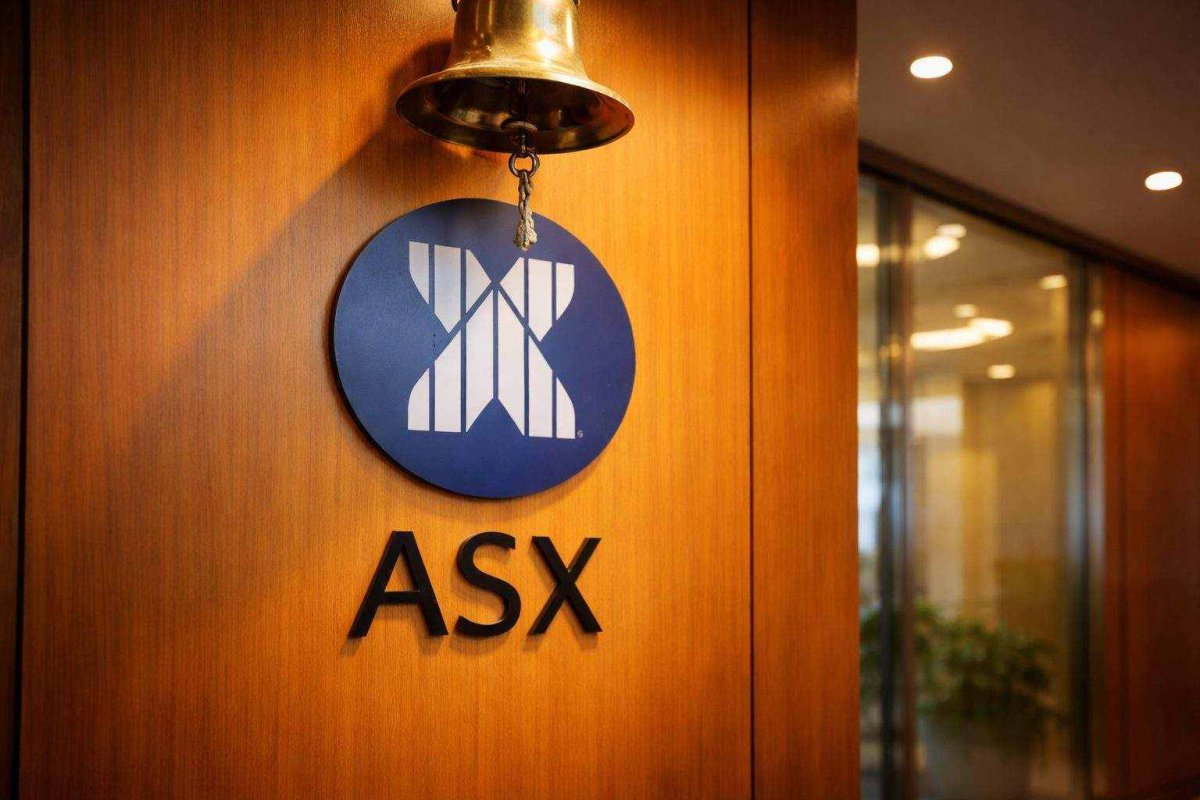
The Australian share market posted a modest advance on Thursday, with the S&P/ASX 200 index closing up 0.2% at 8,973.20. This marked the benchmark's highest closing level since March 3, representing a five-week peak. The session was characterized by a clear divergence in sector performance, with traditional financial stocks providing crucial support while technology companies faced significant selling pressure.
Financials Lead the Charge
The financial sector was the primary driver of the index's gains, climbing 1.2% overall. All of the nation's "Big Four" banks recorded advances, with gains ranging between 1% and 2.2%. The standout performer was Bendigo and Adelaide Bank, which surged 9.5% following its quarterly earnings report. The regional lender announced a 12.8% increase in third-quarter cash earnings and detailed plans for job reductions as it implements new technology partnerships with Infosys and Genpact.
Technology Sector Rout
In stark contrast, the technology sector experienced a severe downturn, with its sub-index plummeting 6.5%—its most substantial single-day loss since early February. WiseTech Global was hit hardest, tumbling 10.9%, while Xero followed with an 8.6% decline. This sell-off significantly limited the broader market's upward potential, acting as a major drag on the index.
Resources and Energy Mixed
The resources sector, which constitutes over a third of the main index, dipped 0.2%. Mining giant BHP Group ended the session unchanged, while Rio Tinto shed just over 1%. Conversely, energy stocks climbed 2.6% as oil prices rebounded. Woodside Energy Group jumped 4%, and Santos added 2.5%. Despite these moves, overall trading volumes remained below the 30-day average, indicating a lack of strong conviction among investors.
Geopolitical Tensions and Fuel Supply Concerns
Market sentiment continued to be influenced by geopolitical tensions in the Middle East and related concerns over global fuel supply routes. The Australian government intervened on Thursday, backing additional spot fuel purchases for refiners Ampol and Viva Energy. This move underscores the nation's vulnerability, as it relies on imports for approximately 80% of its liquid fuel. The Strait of Hormuz, a current flashpoint, handles about one-fifth of global oil shipments.
Luke Winchester, a portfolio manager at Merewether Capital, observed that the initial enthusiasm following the previous day's announced U.S.-Iran ceasefire and plans to reopen the Strait of Hormuz had "certainly been tempered" by subsequent strikes in Lebanon and reports of infrastructure damage near the critical waterway. He noted most investors are adopting a wait-and-see approach until the conflict's trajectory becomes clearer.
Broader Market Context and Inflation
The cautious mood extended beyond Sydney. Brent crude oil futures jumped 2.5% to $97.28 a barrel, with U.S. crude rising 3.3% to $97.55, as markets saw little evidence of a substantial reopening at Hormuz. Equity markets across Asia and Europe lost ground during the session.
Inflation remains a central concern for traders. Oil prices are still hovering roughly 40% above pre-conflict levels. Andrew Lilley, chief rates strategist at Barrenjoey in Sydney, pointed out that the recent shock has forced investors to confront the enduring reality of inflation, which has now persisted for three years.
Looking ahead, the market's trajectory appears tightly linked to geopolitical developments. Investment strategist Justin Lin of Global X ETFs suggested a push toward the 9,000 level is possible if diplomatic talks stay on track. However, Canberra's move to support more fuel shipments signals that investors may need to brace for a prolonged period of higher fuel prices, ongoing supply bottlenecks, and margin pressures that could extend well beyond the energy sector.