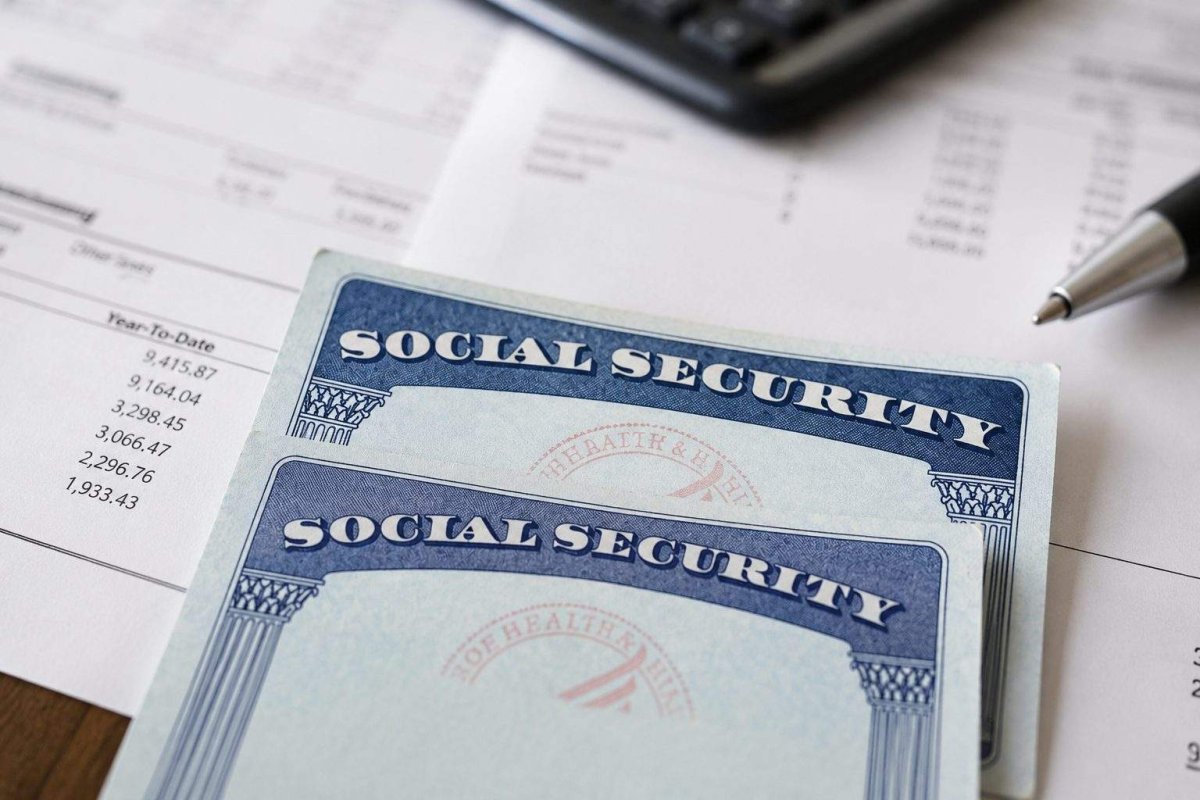
The Social Security Administration has adjusted the payout schedule for August Supplemental Security Income (SSI) benefits, moving the disbursement to Friday, July 31. This shift occurs because August 1 falls on a Saturday, prompting the agency to issue payments one business day earlier. The total amount involved is projected at $5.41 billion, a figure that represents roughly 0.7% of June's retail and food-service sales, which the Census Bureau estimated at $768.6 billion.
This calendar quirk means that the August SSI payment will be received by recipients before the month officially begins. The standard SSI payment stream for August is estimated at $5.406 billion, based on June data showing 7.324 million recipients receiving an average of $738.10 each. This preliminary estimate could be revised, as the SSA disbursed $5.780 billion in June when including retroactive awards.
While the shift moves the payment date, it does not represent any additional federal assistance. The next SSI deposit is scheduled for September 1, creating a 32-day gap between payments. Regular Social Security retirement, survivor, and disability benefits will continue on their standard schedule in August, with payments on August 3, 12, 19, and 26.
The timing of the SSI payment could influence retail sales data. Only transactions completed on July 31 will be counted as July sales, while the bulk of spending from these benefits is expected to occur in August. This may account for an uptick in late July and a potential slowdown in early August. Investors will get a clearer picture when July retail sales are released on August 14, followed by August data on September 16.
Rob Haworth, a consumer demand analyst at U.S. Bancorp (USB), maintains a positive outlook on consumer spending. "Consumer spending continues to benefit from steady income growth and a supportive labor market," he said. On July 30, investors will also see June figures for personal income and spending, alongside the advance estimate for second-quarter gross domestic product.
The shift in payment timing introduces some complexity for economic analysis. Banks may process deposits at varying times, and recipients might use the funds to settle bills, hold cash, or reduce other expenses. Retroactive awards further complicate estimates. Overall, the calendar effect could distort monthly spending patterns, making it important to look at broader trends across multiple months.