Australia's widely cited A$140 billion "Bank of Mum and Dad" figure has often been interpreted as a measure of parental contributions to home deposits. However, that interpretation is incorrect. The figure originates from SBS research that focuses on everyday purchases funded by older relatives for younger family members. The study explicitly excludes cash transfers, debt repayments, and any transactions related to homes or home deposits. Consequently, treating the entire amount as shadow mortgage finance would significantly overstate the level of family support flowing into the housing market.
Despite this, family assistance in home purchases is becoming increasingly common. A separate survey conducted by Finder revealed that 30% of Australian homeowners received some form of family help when buying their property. This statistic, combined with official data showing home prices have outpaced income growth, underscores why intergenerational wealth is a critical factor for bank investors, even if the headline A$140 billion figure measures something entirely different.
What the Two September 2026 Studies Actually Measured
The SBS "Booster Economy" study estimated that older Australians spend more than A$140 billion annually on everyday purchases for younger relatives, including groceries, meals, clothing, travel, cars, and appliances. This figure explicitly excludes cash transfers, debt repayments, homes, and deposits. In contrast, the Finder 2026 Home Loan Report surveyed 1,010 adults, including 619 homeowners, and found that 30% had received family help with their home purchase. Among those, 11% received help with the upfront deposit, 8% had the home paid for outright, 6% had a family member act as a guarantor, and 5% received ongoing help with mortgage repayments. These two studies use different samples and methodologies, so their results cannot be combined or treated as additive.
Family Money Can Open the Door, But Mortgage Demand Is Slowing
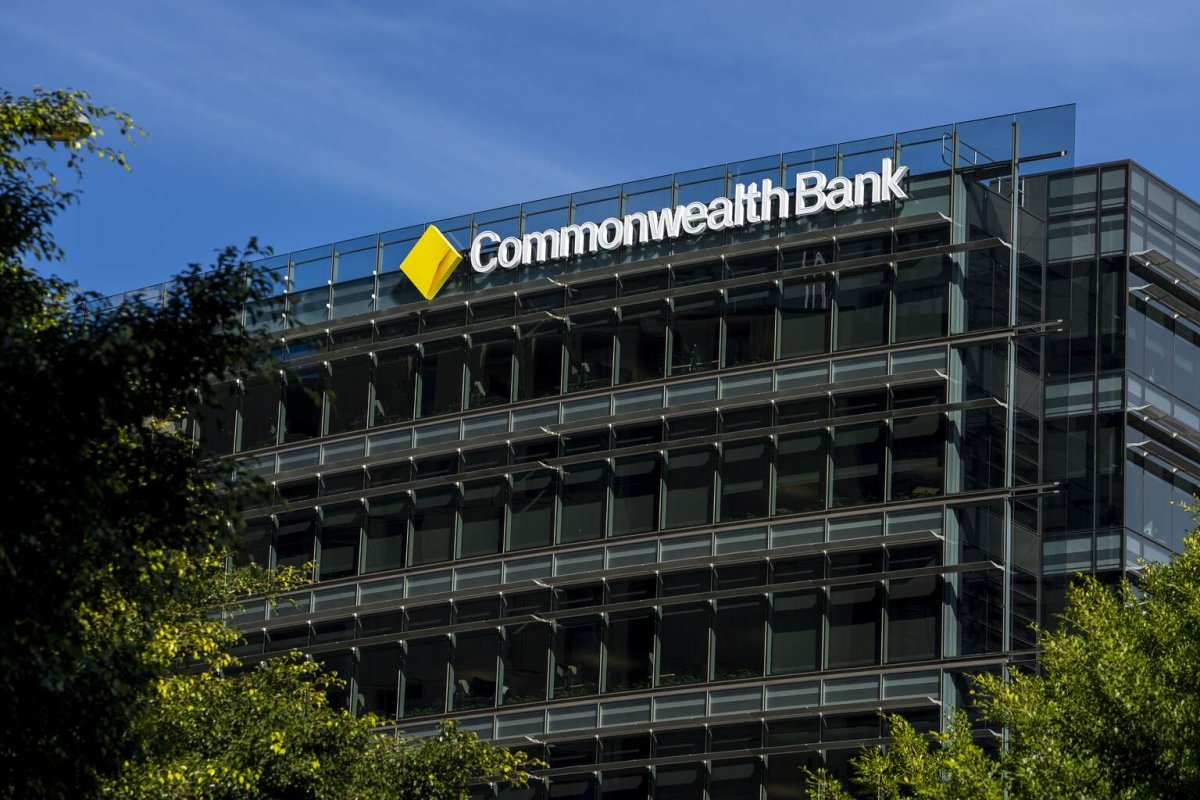
The Reserve Bank of Australia's August financial-conditions assessment provides context for the lending environment. Total credit grew at an annualized 8.6% over the six months through June, above its long-run average. Housing-credit growth remained above its post-financial-crisis average but had eased by about half a percentage point since May. New housing-loan commitments had fallen sharply, led by investors. Commonwealth Bank CFO Alan Docherty noted that mortgage applications were down about 15% over the preceding 12 weeks and 17% from a year earlier, according to an August update from the bank. A parental contribution can turn a renter with an inadequate deposit into a qualified borrower, but it cannot reverse the effects of higher interest rates, softer prices, and tax changes on overall loan demand.
Market Reaction and Investor Implications
Australian bank shares showed no common reaction at Wednesday's close. Commonwealth Bank ended at A$151.54, down 0.6%; Westpac gained 0.2% to A$34.43; ANZ lost 0.3% to A$37.01; and National Australia Bank fell 0.5% to A$38.02. These closing figures, captured from Yahoo Finance after the September 16 Sydney session, suggest that the studies are a structural signal rather than a one-day earnings catalyst.
The Investor Consequence Is Distribution, Not Free Demand
The 2026–27 Budget noted that median home prices had risen from four times average full-time earnings in 1999 to eight times in April 2026. Prices increased 407% over that period, more than twice the pace of earnings growth. Family wealth can bridge part of that gap for some buyers, supporting transactions and mortgage originations that might otherwise not occur. Buyers without such backing face a wider disadvantage.
The A$140 billion estimate points elsewhere in the economy. SBS counted support for everyday purchases, which can sustain consumer spending that younger households could not fund alone. For banks and superannuation providers, it also suggests that older households are deploying wealth before death, changing the timing of deposits, investment balances, and eventual inheritances.
Both estimates deserve caution. SBS began with 50 in-depth interviews and surveyed about 2,500 Australians; Finder surveyed 1,010 adults. These are self-reported survey results, not transaction records from banks or the tax system. The A$140 billion total should be tested against later spending data, while the housing result is most useful as evidence of access and inequality rather than a forecast of mortgage volumes.
For the major banks, the decisive evidence will remain monthly housing-credit growth, application volumes, loan-to-value ratios, and arrears. Family assistance may improve the deposit side of a borrower's file, but affordability after settlement still depends on income, interest rates, and the size of the mortgage.