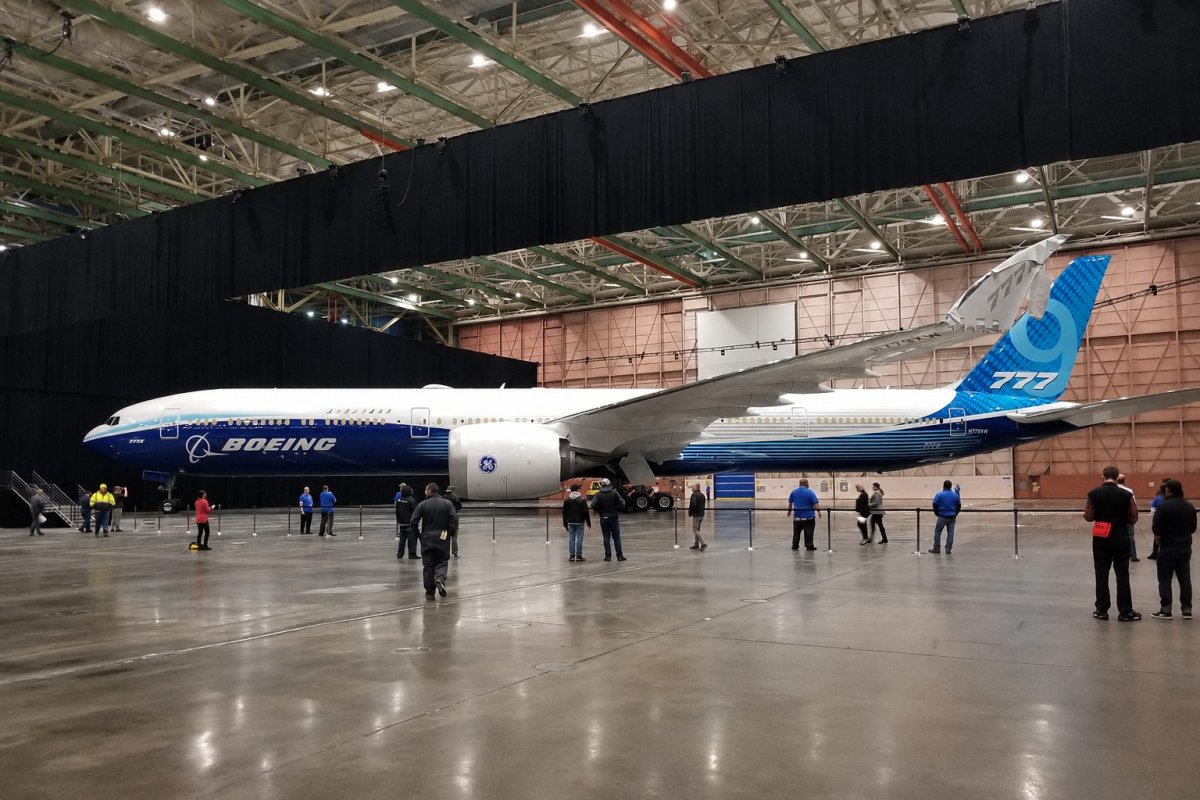
Boeing (NYSE: BA) is navigating a fresh wave of uncertainty surrounding the certification of its 777-9 aircraft, as contract negotiations with a key group of engineers and technical staff are set to resume on Monday. The talks involve approximately 17,000 employees represented by the Society of Professional Engineering Employees in Aerospace (SPEEA), whose current agreement is slated to expire on October 6. The outcome of these discussions could have significant implications for the program's timeline, which has already faced years of delays.
The 777-9, originally slated for delivery in 2020, is now targeted for 2027—seven years behind the initial schedule. The program has accumulated substantial financial losses, with Boeing recording $8.4 billion in additional reach-forward losses across 2024 and 2025. These charges reflect the escalating costs and prolonged development timeline of the aircraft, which is a critical component of Boeing's commercial strategy.
The labor issue is particularly acute because the certification process for the 777-9 relies heavily on the expertise of the same technical workforce involved in the contract dispute. SPEEA members overwhelmingly rejected Boeing's latest offer last week, raising the specter of a strike. While Boeing has expressed a desire to reach an agreement before the contract expires, the company has also posted contractor job openings, signaling potential contingency plans and underscoring the seriousness of the situation.
Despite these challenges, the 777-9 program has shown tangible progress. A seventh test aircraft took to the skies on July 29 and is now being readied for extended operations and reliability testing. Boeing continues to target certification and first delivery in 2027, but the labor dispute introduces a new variable that could disrupt this timeline.
The financial impact of the 777X program has been substantial. In 2025 alone, Boeing booked an additional $4.9 billion in losses, following $3.5 billion in 2024. The company has also warned that delayed customers may seek compensation or reject individual aircraft, adding to the program's financial overhang. These charges have weighed on Boeing's balance sheet, which showed debt of $45.9 billion as of June 30.
However, the broader company is showing signs of recovery. Second-quarter revenue reached $24.6 billion, and free cash flow turned positive at $631 million. The total backlog surged to a record $715 billion, reflecting robust demand for Boeing's commercial aircraft. Yet, the company's first-half capital spending doubled to $2.0 billion, and commercial-airplane research expenses hit $1.2 billion, underscoring the heavy investment required to bring new aircraft to market.
The 777-9's economic appeal remains a key selling point. Boeing advertises a 20% reduction in fuel use and emissions compared to older aircraft, along with a 10% operating-cost advantage over competing jets. These attributes are critical for airlines looking to modernize their fleets and improve efficiency, even as they navigate delivery uncertainties.
Investor sentiment has been relatively stable, with shares trading at $209.82 late Friday, down a marginal 0.06%. Trading volume was 4.57 million shares. Analysts remain largely constructive, with 28 tracked analysts maintaining a Buy consensus and an average price target of $274.85, representing roughly 31% upside from current levels. Price targets range from $246 to $305, indicating a generally positive outlook despite the program's challenges.
The upcoming labor talks present a pivotal moment. A resolution could alleviate near-term concerns, while a strike or prolonged dispute could further delay certification and reignite customer claims. As Boeing works to balance its recovery efforts with the demands of its workforce, the outcome of these negotiations will be closely watched by investors and industry observers alike.